
What’s the #1 rabbit care mistake that could harm your bunny?
Underestimating how sensitive rabbits truly are—both physically and emotionally. These amazing animals may look like fluffy potatoes, but they’re incredibly complex creatures with specific needs. One wrong move—like improper bonding or poor rabbit diet—can cause stress, injury, or worse. Let’s expose some of the most shocking rabbit care truths you never saw coming.
- Rabbits can die from stress or fear. They’re prey animals with a fierce flight instinct. A loud noise can trigger a panic that leads to injury or cardiac events.
- They require climate control. Rabbit ears aren’t just adorable—they regulate temperature. But too much heat? Dangerous for rabbit health.
- Poop eating is normal rabbit behavior. Called cecotrophy, this second serving of poop helps rabbits absorb all essential nutrients.
- Carrots aren’t healthy for your rabbit diet. Despite the Bugs Bunny myth, carrots are sugar bombs for buns and should be limited.
- They need proper mental stimulation. Bored rabbits become destructive, depressed, or aggressive.
1. A Frightened Rabbit Can Literally Die from Fear
Bunnies are drama queens for a reason. As prey animals, rabbits are biologically wired to respond to danger with an intense fight-or-flight reaction. In extreme cases, this rabbit behavior can lead to cardiac arrest. Sudden loud sounds—like fireworks, dropped pans, or barking dogs—can terrify a rabbit.
What does this mean for you as a bunny parent? Create a calm environment. Avoid loud music, keep them away from high-traffic zones, and introduce new experiences slowly. Use white noise during storms to muffle external chaos. It’s about building trust with your bunny—not just managing their space.
2. Bunny Ears = Built-in Thermostat
Here’s a jaw-dropper: a rabbit’s ears aren’t just cute—they work as a sophisticated temperature regulation system. In hot weather, the blood vessels in their ears expand to release heat. In the cold, those vessels contract to conserve warmth.
But danger comes when indoor temperatures creep above 80°F (27°C). Heat stress can lead to lethargy, loss of appetite, or even death. Protect your rabbit health with frozen water bottles, ceramic tiles to lay on, and lots of airflow. And never—ever—leave them in a hot car.
3. Poop Eating Isn’t Gross, It’s Vital for Rabbit Health
Rabbits eat special droppings called cecotropes—little nutrient-rich blobs they produce and consume directly from their hindquarters. These are different than their hard fecal pellets, and no, they’re not random acts of disgusting rabbit behavior—they’re biological genius.
Think of cecotropes as a round two of nutrition. They contain enzymes and vitamins synthesized during fermentation in their hind gut. Deny this natural rabbit behavior and your bunny could suffer malnutrition.
4. Carrots: The Candy of the Bunny World
Carrots? Please. Bugs Bunny lied to you. These sweet, crunchy root vegetables are high in natural sugars and should only be occasional treats, not part of your daily rabbit diet. Feeding too many carrots can cause obesity and gastrointestinal upset—the opposite of proper rabbit care.
Instead, focus on a rabbit diet that’s 75% high-quality hay (like timothy or orchard grass). Fresh greens like romaine, cilantro, and parsley should make up the rest—with pellets and fruit in moderation. This balanced rabbit diet ensures optimal rabbit health.
Proper Rabbit Diet Breakdown

| Food Type | Percent of Daily Diet | Examples |
|---|---|---|
| Hay | 75% | Timothy, Orchard Grass |
| Leafy Greens | 15–20% | Romaine, Kale, Cilantro |
| Pellets | 5% | High-fiber, plain formulas only |
| Treats | 1–2% | Fruit, carrot slices |
5. Rabbits Can Break Their Own Back Easily
This one’s horrifying but true: Rabbits have powerful hind legs and fragile spines. If picked up improperly or they thrash while held, they can fracture their own back due to the force of their kick against your grip—or the air if they fall. Understanding this rabbit behavior is crucial for bunny parent safety.
Always support your rabbit’s hindquarters when lifting. Better yet, let your rabbit stay on solid ground whenever possible. They’re ground dwellers, not lapdogs. This simple rabbit care tip can prevent serious injuries.
6. Bunny Bonding Isn’t Instant—It’s Strategic
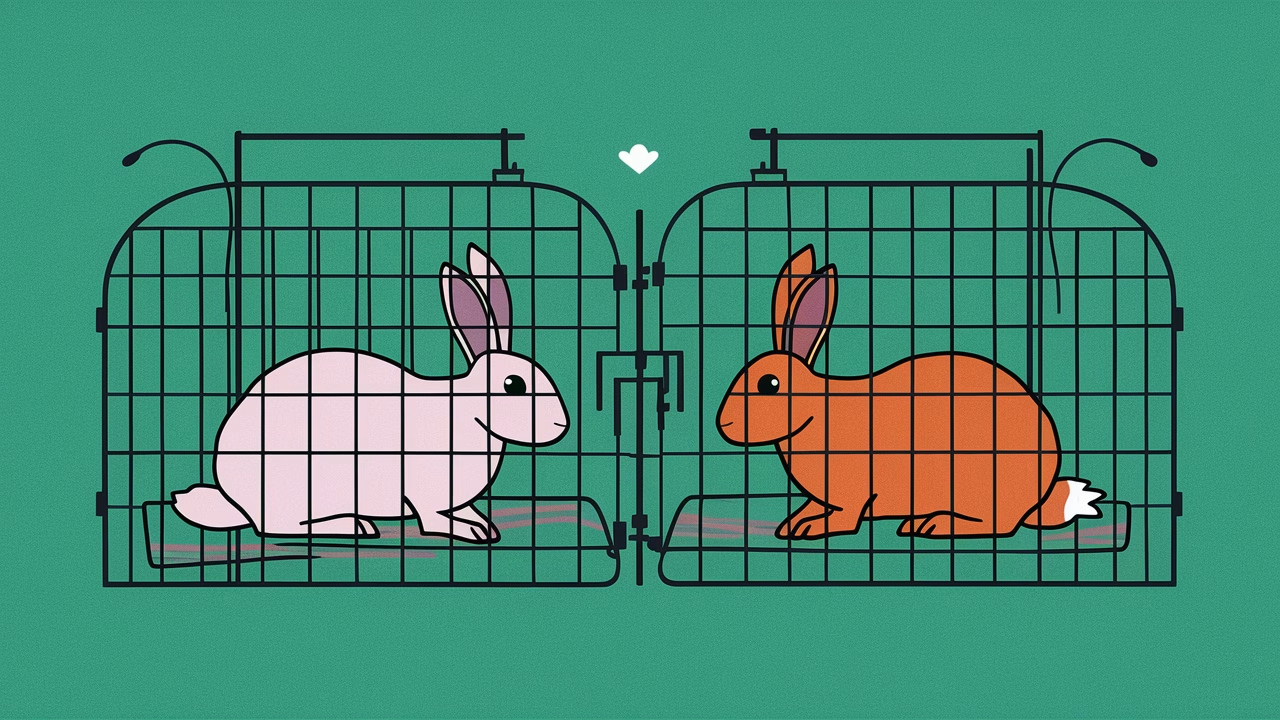
“Just get them a friend”—easier said than done. These amazing animals are social, but they’re also territorial. Introduce a new rabbit without planning and you might witness a fluff-flying brawl.
The safest and fastest method for any bunny parent? Speed dating for rabbits. Supervised short sessions on neutral ground help them build tolerance—and hopefully love. Swap toys between their living quarters to get used to each other’s scent. A slow approach avoids traumatic fights and encourages lifelong bunny bonds.
7. Litter Box Training Is Totally Doable—and Adorable
Litter training isn’t just for cats. With rabbits, it’s actually easier than most bunny parents expect. They naturally choose one area to “go,” so providing a litter box filled with hay (yes, they often poop while nibbling) encourages good rabbit behavior habits.
Top litter training tips:
- Use paper or hardwood-based litter. NOT clumping or clay litters—they’re unsafe if ingested.
- Place the box where your bunny already eliminates.
- Expect marking behavior, especially after spaying/neutering. It usually subsides.
8. Grooming Saves Lives (Not Just Fur)
Rabbits are fastidious groomers—but unlike cats, they can’t vomit. Hair buildup in the digestive tract, especially during molting season, can lead to fatal blockages (GI stasis). This rabbit health concern requires proactive rabbit care.
Brush weekly (daily for long-haired breeds). Regular grooming also lets you check for ticks, mats, or other abnormalities that could affect rabbit health.
9. Exercise Isn’t Optional—It’s Oxygen for Their Soul
Rabbits need four hours of free-roaming exercise daily to avoid muscle atrophy and behavioral issues. Inactivity can lead to obesity, joint stiffness, and even depression in these amazing animals.
Make your home bunny-safe with covered wires and no open access to toxic plants. Provide tunnels, ramps, and hideouts for joyful exploration. Watch for binkies—the spiraling, zooming leaps of bunny joy that show healthy rabbit behavior.
10. Hidden Illnesses Require Expert Eyes
Rabbits hide pain as a survival instinct. By the time they show symptoms—like not eating, lethargy, or odd posture—they could already be critically ill. This rabbit behavior makes rabbit health monitoring crucial for every bunny parent.
Find a rabbit-savvy vet. Schedule annual wellness exams, just like you would for a cat or dog. Learn to recognize subtle signs of illness affecting rabbit health:
- Not eating or pooping for 12+ hours
- Grinding teeth (a sign of pain)
- Runny nose or eyes
- Uneven tooth length
Early detection saves lives—plain and simple rabbit care wisdom.
Watch This Guide in Action
FAQ
- Can rabbits really die from loud noises?
Yes. Intense fear can cause cardiac arrest or injury due to panicked thrashing. - Is rabbit poop eating really normal?
Yes. Cecotrophs are vital for digestion and nutrition. - What foods should rabbits avoid?
Carrots (in large amounts), sugary fruit, iceberg lettuce, and all processed human food. - Can I keep just one rabbit?
You can, but solo rabbits need lots of human engagement. Companion rabbits are ideal if bonded properly. - How often should I brush my rabbit?
Short-haired breeds: once a week. Long-haired breeds: daily or every other day. - Why is my rabbit suddenly aggressive?
Could be due to hormones, pain, stress—or a need for more space and enrichment. - When should I take my rabbit to the vet?
Immediately if they stop eating/pooping or show any abnormal behavior. And schedule wellness checks annually.
Comparison Chart: Bunnies vs Common Pet Misconceptions
| Common Myth | Reality |
|---|---|
| “Carrots are daily food.” | Only as treats—too much sugar! |
| “Bunnies don’t need space.” | They need HOURS of free-roam time daily. |
| “Any vet can treat rabbits.” | Only rabbit-savvy vets truly understand their needs. |