What are 10 foods that rabbits should never eat—and why?
Your bunny’s health depends on avoiding toxic foods like chocolate, avocado, iceberg lettuce, onions, garlic, rhubarb, potatoes, nuts, seeds, and dairy. These items can poison your rabbit or cause severe digestive issues due to their sensitive systems. We’ll explore what makes these foods dangerous and how you can offer safer alternatives for optimal bunny nutrition.
- Bunny nutrition matters: Learn why a balanced diet for bunnies is vital for long-term health.
- Common risks: Discover 10 toxic foods and the harmful effects they can cause.
- Real examples: Understand which everyday human foods are not safe vegetables for bunnies to eat.
- Better alternatives: Swap harmful snacks with nutritious veggies for pet bunnies like romaine and bell peppers.
- Expert bunny diet tips: From hay to hydration, get a full breakdown of what keeps your bunny hopping.
Watch this guide in video form:
Bunny Nutrition Essentials: How Diet Impacts Rabbit Health
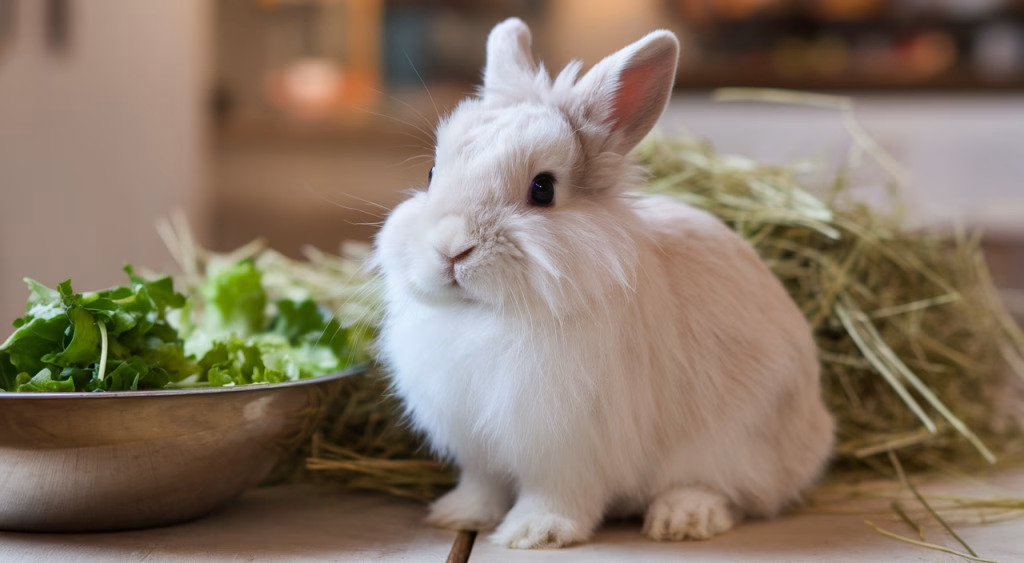
Your bunny relies on proper bunny nutrition to stay lively, happy, and free from disease. Poor food choices are one of the most common causes of illness in pet rabbits. Their digestive tract is a delicate system that thrives on fiber, hydration, and the right nutrients—but breaks down quickly when you feed them the wrong foods.
A balanced diet for bunnies should consist of:
- Unlimited fresh Timothy hay for gut health and dental function
- A selection of safe vegetables for bunnies to eat and leafy greens
- Controlled portions of high-quality rabbit pellets
- Plenty of fresh clean water
When you deviate from these healthy diet tips for rabbits—intentionally or unknowingly—you put your long-eared companion at serious risk. Let’s dive into the top 10 foods to avoid for rabbits and understand why these items can spell harm.
Male Blanket Octopus Size: Why Males Are 40,000x Smaller Than Females
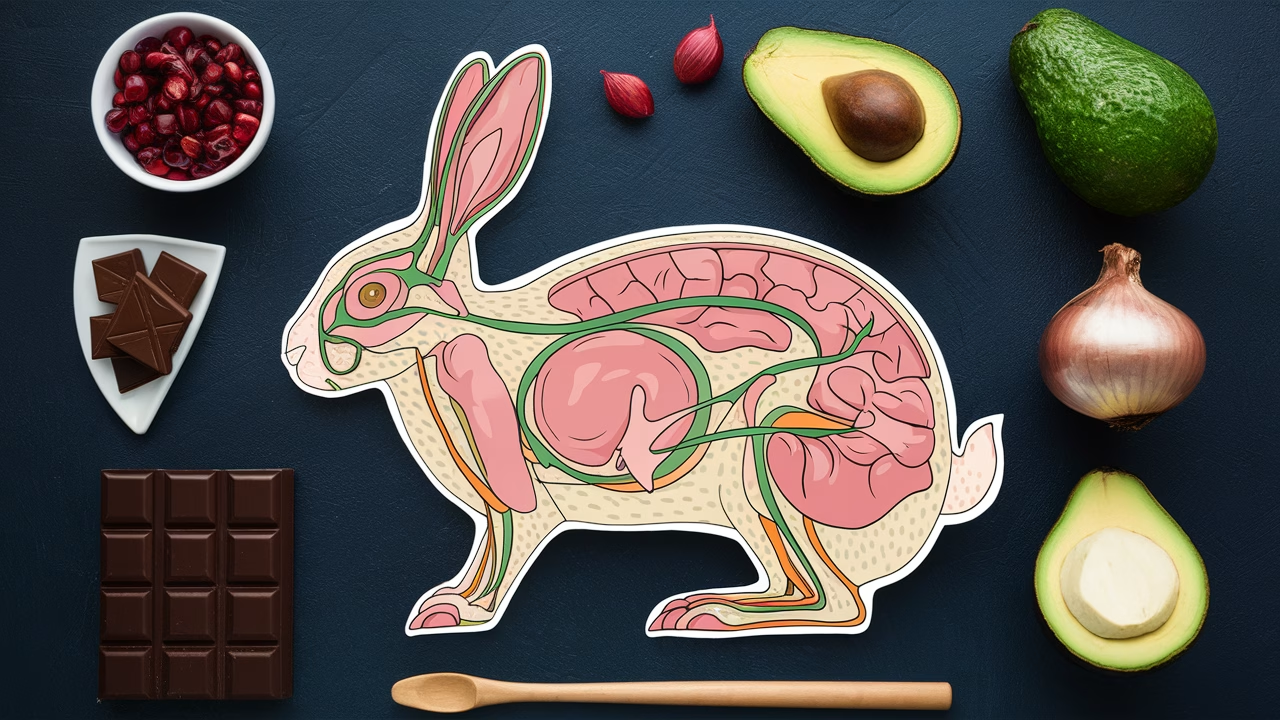
1. Chocolate: A Sweet Treat That Can Turn Deadly
Chocolate may be delicious for you, but for your bunny, it’s a toxic nightmare. Chocolate contains theobromine, a compound rabbits can’t metabolize efficiently. Even a single chocolate chip can cause symptoms like hyperactivity, tremors, seizures, and in severe cases, death in your rabbit.
Always keep chocolate out of reach, teach kids and visitors about this danger, and never leave treats lying around unattended when focusing on proper bunny nutrition.
2. Avocado: A Healthy Human Food, a Bunny Hazard
We think of avocados as a superfood, but for rabbits, they’re super risky. Avocados contain persin—a substance poisonous to many small animals. This toxin can lead to respiratory distress, fluid buildup around the heart, and unfortunately, sudden death in bunnies.
The danger extends beyond the flesh: the pit, leaves, and skin also carry toxins that oppose any balanced diet for bunnies. Skip the guac when your bun’s around.
3. Iceberg Lettuce: Looks Innocent, Lacks Nutrition
You might think lettuce should be a bunny staple, right? Not all lettuce qualifies as safe vegetables for bunnies to eat. Iceberg variety has minimal nutrients and contains a compound called lactucarium, which can irritate your bunny’s digestive tract.
The result? Bloating, soft stools, and a full stomach without real nourishment. Instead, offer nutritious veggies for pet bunnies like romaine, red leaf, or arugula.
4. Onions and Garlic: Two Flavorful But Fatal Ingredients
These Allium family vegetables cause hemolytic anemia in rabbits—a condition where red blood cells break down faster than they’re replaced. Whether raw or cooked, these ingredients should be completely avoided in any bunny nutrition plan.
Think a little cooked garlic in leftovers is harmless? Think again. Even subtle exposure can damage your rabbit’s liver and immune system.
5. Rhubarb: More Than Just Sour
Rhubarb is rich in oxalates, compounds that bind calcium and prevent absorption. This can lead to weakened bones and kidney or bladder stones in your rabbit, completely undermining healthy diet tips for rabbits.
Whether cooked or raw, rhubarb poses a serious threat to your bunny’s well-being and contradicts proper bunny nutrition.
6. Potatoes and Nightshades: Hidden Dangers in Comfort Foods
Potatoes belong to the nightshade family and are packed with solanine—a natural pesticide toxic to rabbits. Symptoms of ingestion include vomiting, diarrhea, confusion, and in severe cases, neurological failure in your bunny.
Even cooked potatoes or skins can cause issues. The green “eyes” or sprouted areas? Highly concentrated in solanine. These foods to avoid for rabbits should be eliminated entirely from your home.
7. Nuts: Not Part of a Bunny’s Nutritional Plan
Nuts are high in fat and protein but low in fiber—the opposite of what constitutes a balanced diet for bunnies. Feeding them to your rabbit can result in digestive blockages, fatty liver disease, and obesity.
Even small amounts can cause health problems. Stick with hay-based treats instead for proper bunny nutrition.
8. Seeds: Small But Risky
Seeds may seem like innocuous nibblers, but they’re a choking hazard and high in fats for your rabbit. Your bunny’s teeth and digestive systems aren’t built for preprocessing dense, dry kernels, making them inappropriate foods to avoid for rabbits.
Opt for shreddable safe vegetables for bunnies to eat or pellets instead of risking a dangerous seed situation.
9. Dairy Products: A Stomach Ache Waiting to Happen
Your bunny is fully lactose intolerant. When rabbits consume milk, cheese, or yogurt, it leads to bloating, gas, diarrhea, and intense abdominal pain, completely disrupting healthy diet tips for rabbits.
While some might try rabbit-specific yogurts, the risk outweighs any potential reward. Skip the dairy aisle completely for your bun’s safety and proper bunny nutrition.
10. Sugary Treats and Human Snacks
Candy, crackers, and baked goods contain processed sugars that your rabbit cannot digest properly. Sugar disrupts their gut bacteria, causing overgrowth of harmful microbes that work against any balanced diet for bunnies.
What does that mean for your bunny? Painful gas, diarrhea, and even life-threatening GI stasis. Stick to treats made specifically for rabbits—or better yet, nutritious veggies for pet bunnies!
Safe Vegetables and Fruits for Your Bunny
| Vegetable | Frequency | Benefits |
|---|---|---|
| Romaine Lettuce | Daily | Hydration + fiber |
| Kale (small portions) | 2-3x/week | Vitamin K & C |
| Bell Peppers | Occasionally | Vitamin C & crunch |
| Cilantro, Parsley | Daily | Antioxidants & flavor |
| Spinach | 1-2x/week | Iron (in moderation) |
Bunny Diet Tips for Lifelong Health
- Hay First: Timothy Hay should make up 80–90% of your bunny’s balanced diet for bunnies.
- Introduce safe vegetables for bunnies to eat gradually to avoid digestive shocks.
- Use fruit sparingly—only as an occasional treat (think 1 tsp/day max) for optimal bunny nutrition.
- Pellets should supplement, not dominate your rabbit’s diet.
- Always monitor poop: Large, round, and dry pellets indicate healthy diet tips for rabbits are working!
Frequently Asked Questions
- Can rabbits eat carrots daily?
Carrots are high in sugar, so they should be offered sparingly—just a few slices 2–3 times a week as part of a balanced diet for bunnies. - Are bananas safe for bunnies?
A small slice of banana is okay as a treat. Too much can upset your bunny’s stomach due to sugar content. - What fruits can rabbits eat?
Apples (without seeds), strawberries, blueberries, and pears in tiny portions are safe vegetables and fruits for bunnies to eat. - Is cabbage okay for rabbits?
Green and red cabbage can cause gas, so feed in moderation and observe your bunny’s response when adding to their bunny nutrition plan. - How do I transition my bunny to a healthier diet?
Slowly reduce foods to avoid for rabbits and introduce safe vegetables for bunnies to eat one at a time over a 2–3 week period. - Can baby rabbits eat all veggies?
No—introduce nutritious veggies for pet bunnies after 12 weeks of age and do so slowly to avoid gut issues. - What signs show a rabbit is eating something bad?
Look out for diarrhea, lethargy, bloating, refusal to eat, or hunching over. Contact a vet quickly when healthy diet tips for rabbits aren’t working.