What do rabbits love most in life?
Rabbits absolutely adore consistency, gentle care, delicious hay, and a stimulating environment. Much more than cute companions, they are complex animals who thrive when their physical and emotional needs are truly understood and honored.
TL;DR:
- Fresh hay is an essential staple in every rabbit’s diet—for digestion, dental health, and joy.
- Digging areas and chew toys help satisfy natural instincts.
- Safe havens give rabbits much-needed security and reduce stress.
- Companionship fulfills their social needs—many do better in bonded pairs.
- Exploration time outside the cage boosts both mental and physical health.
- Petting and touch build trust and deepen the bond.
- Textures, mental stimulation, and routine play key roles in a rabbit’s well-being.
1. Why Hay Matters More Than You Think
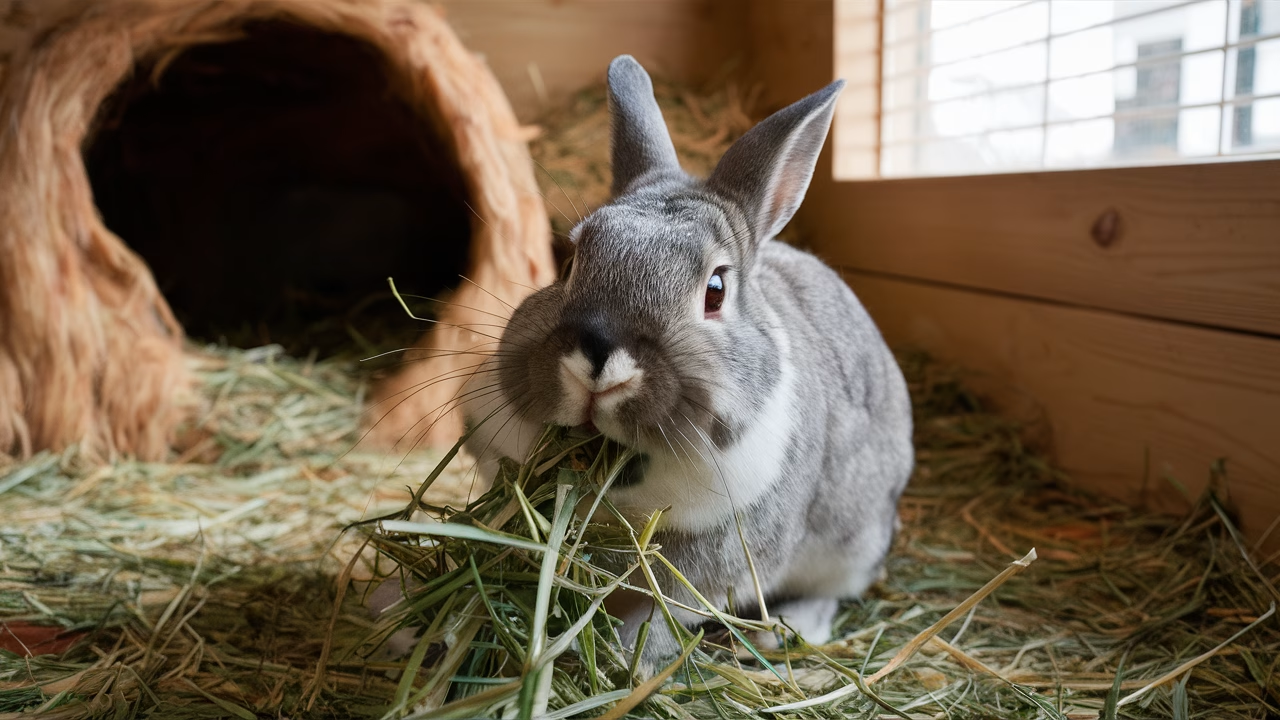
If there’s one thing that’s non-negotiable in your rabbit’s life, it’s hay. Not just a treat or filler—it’s the main course. Your rabbit needs unlimited access to high-quality hay every single day. Why? Their digestive systems depend on it, and their ever-growing teeth rely on it to stay filed down naturally.
Think of hay as the rabbit version of toothpaste and fiber-rich cereal rolled into one. Munching on hay mimics their wild grazing patterns and supports ideal gut movement, preventing dangerous conditions like GI stasis. Mix up timothy hay with orchard grass or meadow hay for varied texture and excitement.
2. The Joy of Digging: A Channel for Instinct
Ever seen your bunny clawing at the carpet or bedding? That’s not mischief—it’s pure rabbit instinct. Rabbits are natural diggers, and in the wild, they’d be tunneling intricate burrows to raise their young or hide from predators.
At home, you can satisfy this urge with a digging box. Use a cardboard container filled with shredded paper, organic soil, or hay. Let your rabbit burrow to their heart’s content—it’s enriching and stress-reducing for any bunny.
3. Chew Toys: More Than Fun and Games
Rabbits have teeth that never stop growing. Without frequent gnawing, those chompers become dangerously long and painful. That’s where chew toys come in as both a necessity and a delight for your rabbit.
Offer variety with different textures: toilet paper rolls, willow balls, untreated wooden blocks, or seagrass mats. Rotate them weekly to keep your bunny entertained. It’s not just about managing teeth—it’s about offering them a safe, interesting way to engage with their surroundings.
Comparison Chart: Types of Chew Toys and Benefits
| Toy Type | Material | Benefit |
|---|---|---|
| Willow Ball | Natural Willow | Safe to chew, toss, and destroy |
| Wood Block | Untreated Pine or Applewood | Supports dental wear |
| Cardboard Tube | Recycled Paper | Affordable and fun |
4. Creating a Safe Haven for Your Rabbit
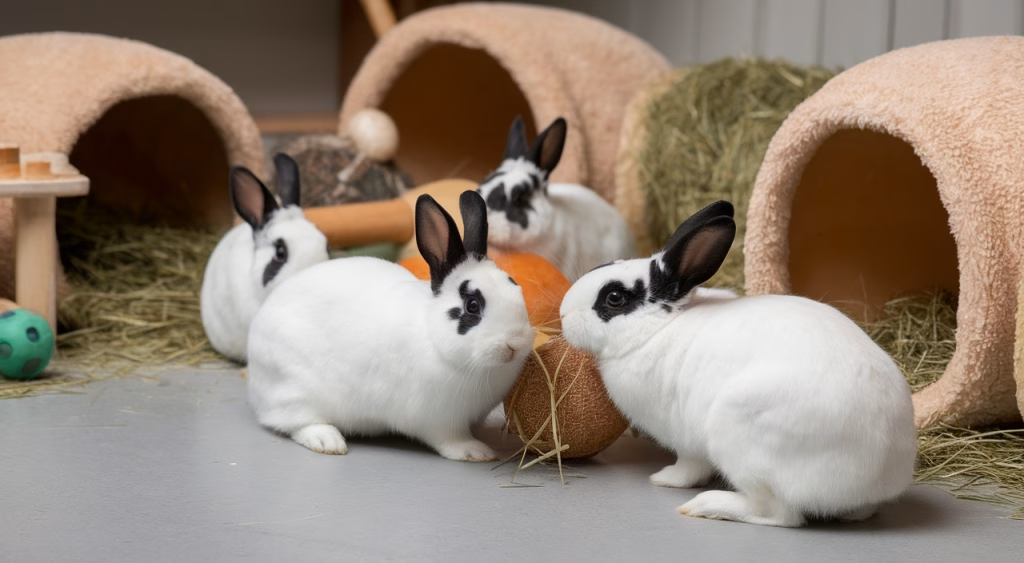
Just like people, rabbits need personal space—a sanctuary where they can retreat when overwhelmed. Learning how to create a safe haven for your rabbit gives them control over their environment, which in turn, reduces stress and prevents reactive behaviors.
Use a hideaway house, cardboard box with an entry hole, or enclosed corner packed with soft bedding. This safe haven becomes their emotional anchor. It’s especially important in multi-rabbit households or if your home has lots of noise and activity.

5. The Power of Companionship
Many people are surprised to learn that rabbits are highly social creatures. In the wild, they live in complex groups. While some bunnies enjoy the quiet life, most rabbits thrive with a bonded companion.
A bonded pair shares grooming duties, snuggles for warmth, and even communicates through expressive body language. But don’t just toss them together—introductions require a neutral space and slow build-up. Think of it like a friendship: trust takes time.
6. Unlocking the Joy of Exploration
Rabbits are curious adventurers at heart. Watching your bunny stretch their legs and explore new territory is one of the purest joys of pet ownership. This supervised exploration also prevents boredom and keeps your rabbit mentally engaged.
Create a bunny-safe zone indoors by rabbit-proofing electrical cords, removing toxic plants, and blocking off small hidey-holes where they could get stuck. Outdoor time in a secure pen can be magical too—just ensure shade, supervision, and predator protection.
7. Touch, Texture, and Trust: The Little Things That Matter
Rabbits communicate in whispers—through their bodies, ears, and subtle posture. Petting is sacred. When your rabbit lets you stroke its cheeks or back, that’s a sign of deep trust.
Avoid sensitive areas like the feet, belly, and tail. Instead, use gentle strokes along the head and spine. A calm petting session promotes bonding and relaxation for any bunny.
Enrich their world with textures too—woven grass mats, cardboard tunnels, wooden bridges. This sensory stimulation prevents behavioral issues and mimics the complexity of their wild environments.
8. The Essential Pillars: Fresh Water, Routine, and Diet
Never underestimate the basics. Clean fresh water (from bowls or bottles), a stable routine, and a balanced diet create the foundation for happiness in your rabbit’s life.
- Offer water-rich greens like romaine or cucumber in addition to fresh water for drinking.
- Maintain a predictable daily rhythm—feeding, cleaning, and playtime should follow a loose schedule. The importance of routine in a rabbit’s life cannot be overstated.
- Base the diet on unlimited hay, a small portion of quality pellets, and measured fresh vegetables or herbs. Avoid sugar-rich traps like fruit excess or yogurt treats.
9. Mental Stimulation Is a Must
Imagine being locked in a room with the same toys and no puzzles to solve. You’d go stir-crazy, right? Rabbits feel the same way. They need challenges: think treat-hiding games, foraging puzzles, and learning tricks like hopping onto a box when called.
The best toys for mentally stimulating your rabbit include puzzle feeders, treat balls, and cardboard mazes. Swap out toys weekly, rotate layouts in their pen, hide treats in paper bags, or try simple clicker training. A stimulated bunny is a confident, content bunny.
Do Rats Show Empathy? Breakthrough Research Reveals Surprising Truth About Rat Emotions
Frequently Asked Questions
How do I create a safe haven for my rabbit?
A quiet corner with a small enclosed box, soft bedding, and minimal foot traffic works well. Ensure your rabbit can hide, rest, and observe from this space without stress.
What are the best toys for mentally stimulating your rabbit?
Puzzle feeders, shreddable toys, cardboard mazes, and clicker training games are excellent options. Change toys weekly to keep things fresh and interesting.
Why is routine important in a rabbit’s life?
Rabbits are creatures of habit. A regular schedule for meals, cleaning, and interaction reduces anxiety and builds trust in their environment.
What vegetables are best for rabbits?
Romaine lettuce, cilantro, basil, parsley, and carrot tops in moderation are great. Avoid iceberg lettuce and limit root veggies due to high sugar.
Is it okay to keep a single rabbit?
Yes, if you provide lots of attention and enrichment. However, most rabbits benefit from the companionship of another bonded rabbit.
How do I know if my rabbit is bored?
Signs of boredom include chewing on cage bars, digging obsessively, destructiveness, or even withdrawal. Increase mental stimulation and interactive toys.
How much hay should my rabbit eat daily?
Hay should make up over 80% of a rabbit’s diet. Ensure unlimited access to clean, fresh hay at all times.