Are the Most Common Rabbit Myths Harming Your Pet?
You love rabbits, but are you loving them the right way? Turns out, many commonly believed rabbit myths about these adorable creatures can actually lead to health issues, behavioral problems, and heartbreak. Let’s unravel the biggest myths rabbit experts wish would hop off into the sunset—permanently.
TL;DR — Here’s What You’ll Learn
- Carrots aren’t a dietary staple — They’re a sugary treat, not a rabbit’s core diet.
- Wild rabbit reproduction isn’t as chaotic as you think — Wild rabbits plan reproduction strategically.
- Rabbits are high-maintenance pets — Yes, more than cats or some dogs.
- They communicate loudly and clearly — They grunt, thump, and even scream.
- Most rabbits dislike being held — Ground-level interaction is their comfort zone.
Myth #1: Rabbits Love Carrots (The Dangerous Carrot Myth)
Thanks to pop culture, especially certain animated rabbits munching carrots like they’re going out of style, it’s become “common knowledge” that this sweet orange vegetable is a rabbit’s favorite and healthiest food.
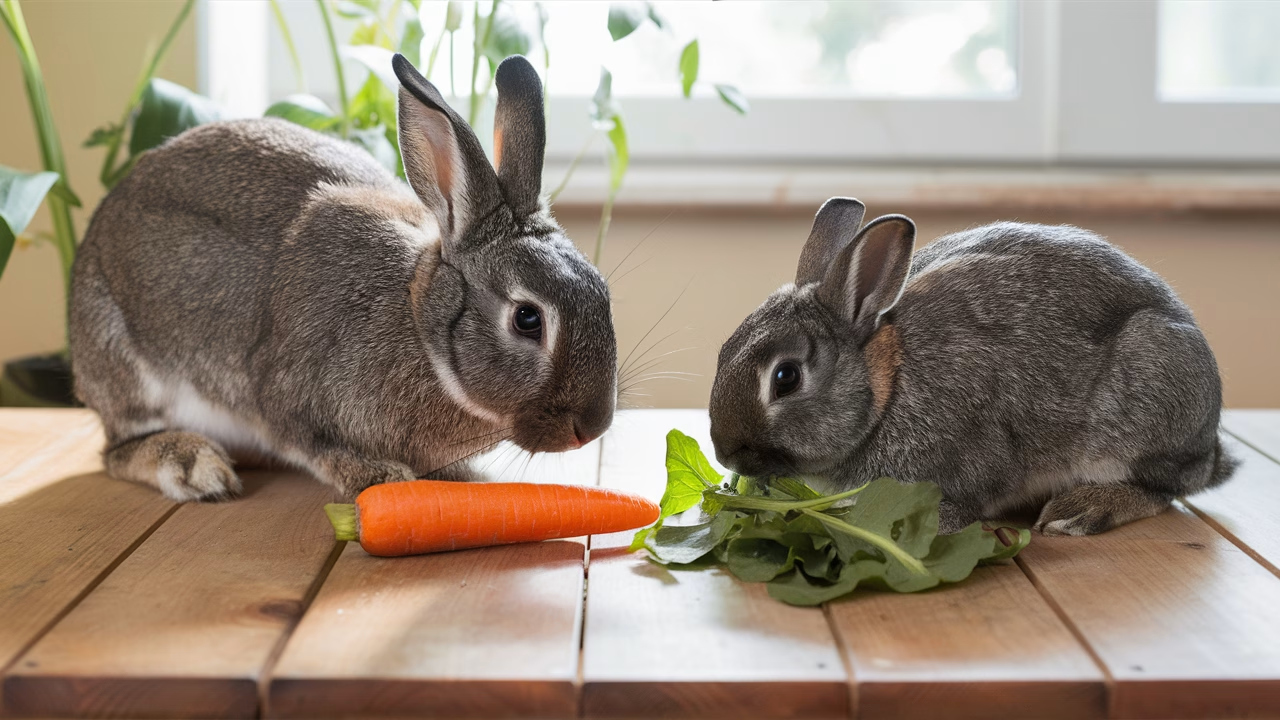
But here’s the veggie truth about rabbit diets: Carrots are packed with sugar. Sure, wild rabbits will nibble on roots when desperate, but carrots aren’t part of their regular diet in the wild. Feeding carrots often is like giving your toddler cake every night—not cute, not healthy.
So, what should rabbits eat for optimal health?
| Good for Rabbits | Avoid or Limit |
|---|---|
| Timothy hay | Carrots (occasional treat) |
| Leafy greens (e.g. parsley, romaine) | Iceberg lettuce |
| Small amounts of fruit | Bread, pasta, crackers |
| Pellets with controlled portions | Pellets with seeds or colored bits |
Takeaway? Base your rabbit’s meals around timothy hay and greens. Carrots are dessert, not dinner. Understanding proper rabbit diets is crucial for your pet’s long-term health.
Myth #2: Wild Rabbits Reproduce Endlessly Without a Plan
“Breed like rabbits,” right? While it’s true that wild rabbits are prolific breeders, the reality is far more calculated than people assume.
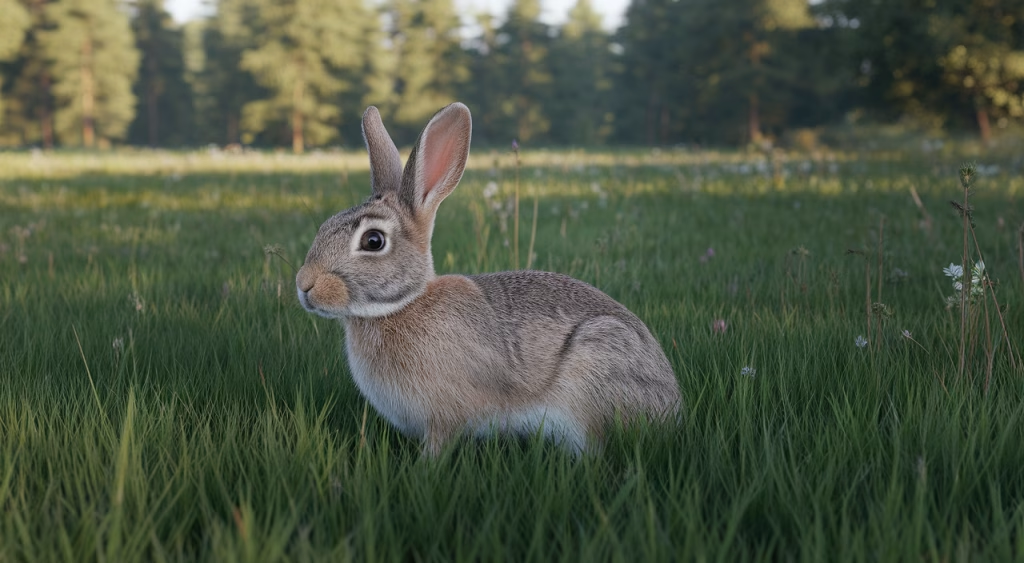
Wild rabbits don’t just have babies out of boredom. They time their breeding seasons with food availability and environmental safety. And female rabbits? Get this—they can literally reabsorb their embryos if conditions aren’t ideal. Think of it as nature’s version of pausing a pregnancy.
Understanding Wild Rabbit Reproduction Patterns
- Wild rabbit reproduction peaks in spring and summer when resources are abundant.
- Females can become pregnant again just hours after giving birth.
- They can reabsorb fetuses if stressed or lacking resources.
- They build hidden, well-insulated nests for survival.
Domesticated rabbits aren’t exempt from fast reproduction either. That’s why rabbit shelters are often overwhelmed. Responsible owners should always spay or neuter their pets—your rabbit doesn’t desire a baby army just because it can.
Myth #3: Rabbits Are Low-Maintenance Starter Pets
This one might just be the most harmful of all rabbit myths. Rabbits are often bought as gifts or considered “easy” pets for kids. In reality, they require more care than some dog breeds. These high-maintenance pets need specialized attention and care.
High-Maintenance Rabbit Care Requirements
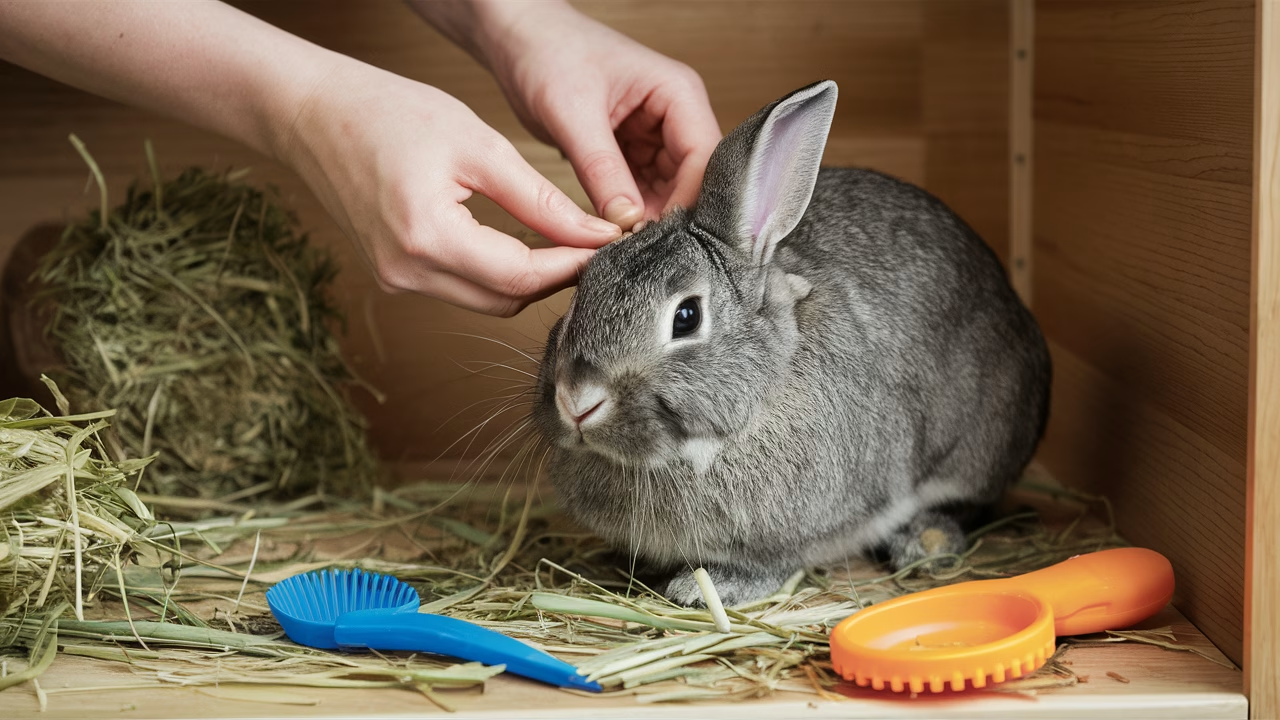
- Rabbits need daily exercise and enrichment for optimal health.
- They’re extremely sensitive to temperature changes—especially heat.
- They require regular vet checkups with exotic animal specialists.
- They hide illness phenomenally well—it’s a prey instinct.
- They chew to manage their ever-growing teeth, meaning you’ll need safe chew options.
| Care Tasks | Description |
|---|---|
| Grooming | Weekly brushing (daily for longhaired breeds) |
| Litter Box Cleaning | Every 1–2 days |
| Enclosure Cleaning | Weekly deep clean |
| Health Monitoring | Observe appetite, droppings, behavior daily |
So no, they’re not low maintenance—and they definitely don’t belong in classrooms or birthday boxes. Understanding high-maintenance rabbit care is essential before committing to these pets.
Myth #4: Rabbits Are Silent, Expressionless Creatures
Many people think rabbits are mute furballs. But seasoned bunny guardians know better about rabbit communication. Rabbits are surprisingly vocal and expressive.
They communicate through grunts, honks, thumps, flicks of the feet, and, when terrified, even screams. Yup, rabbits scream—a blood-curdling sound usually only heard when they’re in extreme pain or fear.
Common Rabbit Communication Signals to Watch For
- Grunts: “Back off!” or “I’m annoyed.”
- Foot Thump: “Danger!” alert to others.
- Purring (teeth grinding): Contentment (like a feline purr)
- Honking: Happy or excited behavior during play or social time.
- Circling your feet: Love or mating behavior.
Watch closely and you’ll start to ‘listen’ to your bunny like never before. These rabbit communication signals are vital for understanding your pet’s needs and emotions.
Myth #5: All Rabbits Love Being Cuddled
Last but not least—let’s talk about cuddles. The internet is filled with pictures of people cradling their rabbits like babies. But here’s the harsh truth: most rabbits hate being picked up.
Being lifted feels like being snatched by a predator. Prey animals prefer having all paws on the ground—it helps them feel secure and in control. This affects both wild rabbits and domestic pets.
How Rabbits Show Affection Naturally
- Sitting next to you
- Grooming your hand or face
- Doing happy “binkies” (joyful jumping twists)
- Light gentle nudging with their nose
- Following you around the house
Build trust slowly. Let them come to you on their terms. Forced cuddles almost always backfire and can damage your relationship with these sensitive pets.
Bonus: Rabbits Eat Their Own Poop—And That’s Essential for Health
Sounds gross, I know, but it’s not what you think. Rabbits produce two types of droppings: the typical dry pellets, and softer, nutrient-rich ones called cecotropes. They eat the latter for a second round of nutrient absorption.
This practice, called coprophagy, ensures your bunny extracts all the possible benefits from their plant-based diet. It’s nature’s multivitamin regimen at work and crucial for rabbit health!
FAQs
Do wild rabbits really avoid carrots?
Yes. Carrots are not a staple in a wild rabbit’s diet. They mainly eat grass, hay, and leafy plants.
How many hours of care do rabbits need daily?
Rabbits need at least 2–3 hours of supervised play and interaction outside their cage every day to stay mentally and physically healthy.
Can rabbits die from fear?
Shockingly, yes. Sudden loud noises or traumatic experiences can cause heart failure in highly stressed rabbits.
How can I tell if my rabbit is happy?
Look for binkies, purring (teeth grinding), and grooming behavior—they’re sure signs of bunny joy.
Is neutering/spaying necessary?
Absolutely. It prevents unwanted litters, reduces aggression, and improves long-term health outcomes like cancer prevention.
Are rabbits good pets for small kids?
Not typically. Rabbits are delicate, complex, and easily stressed. They’re better suited for older kids or adults who can respect their needs.
Why do rabbits chew everything?
Their teeth never stop growing! Chewing is necessary to prevent dental problems. Always provide chew-safe toys and wood blocks.