How can you prevent GI stasis in rabbits effectively?
Preventing GI stasis in rabbits hinges on three vital elements: a high-fiber diet, regular exercise, and a consistent, stress-free environment. Add in routine veterinary care and early symptom recognition, and you’ll vastly reduce your rabbit’s risk of developing this serious health condition.
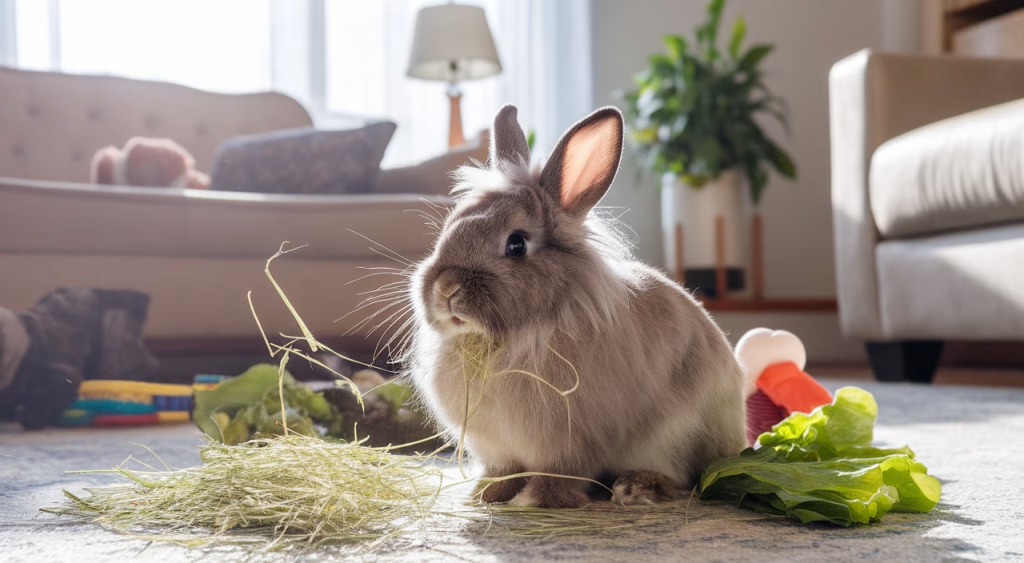
- High-fiber diet: Prioritize fresh hay like Timothy hay and add in leafy greens such as romaine and parsley.
- Daily exercise: Free-roaming indoor time and enriching toys keep your rabbit’s gut healthy.
- Low-stress environment: Maintain routines, avoid loud sounds, and provide safe hiding spots.
- Early detection: Watch for reduced appetite, small or no droppings, or changes in energy level.
- Veterinary checkups: Regular visits help detect dental issues or underlying illnesses before they escalate.
Introduction to Gastrointestinal Stasis in Rabbits
If you’ve loved a rabbit before, you’ll know just how sensitive their systems are. One of the most serious threats to rabbit health is gastrointestinal stasis—or GI stasis. This condition slows or stops the normal movement of food through the digestive tract, leading to discomfort, pain, and in severe cases, death. But what causes such a dangerous slowdown in digestion—and more importantly—how can you prevent it?
In this guide, we’ll walk you through everything you need to know about preventing GI stasis in rabbits. Understanding the root causes and implementing proper prevention strategies can save your rabbit from this potentially fatal condition.
Recognizing Early Signs of GI Stasis
GI stasis doesn’t appear with flashing warning signs—it develops gradually with subtle symptoms. That’s why early detection is crucial for preventing serious complications in your rabbit’s digestive health.
Changes in Eating Habits
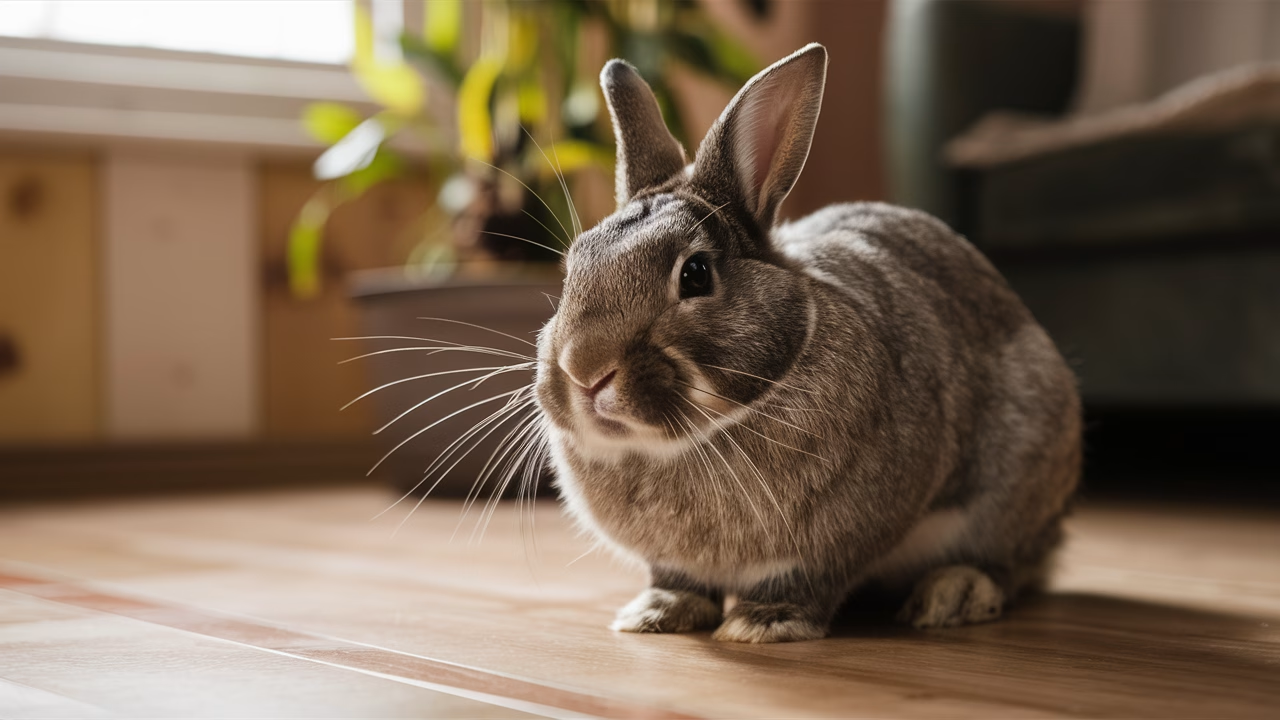
The first red flag? A change in your rabbit’s appetite. When your rabbit shows sudden disinterest in favorite greens or hay, you should never ignore this warning. Even skipping just one meal can signal the beginning of GI stasis.
Fecal Output Indicators
Normal rabbit droppings are large, round, and plentiful throughout the day. Small, misshapen droppings—or none at all—indicate digestive problems requiring immediate attention. Decreased fecal output often appears before other symptoms of GI stasis become visible.
Behavioral Signs to Watch For
A rabbit experiencing GI stasis might become lethargic, hide more often, or hunch their body in an unusual position. Audible tooth grinding is a classic expression of discomfort that rabbit owners should recognize immediately.
What we commonly see is that owners may not realize these behaviors signal GI stasis until the condition has progressed. That’s why documenting your rabbit’s daily routines and bowel habits can provide life-saving insights into their digestive health.
Causes of GI Stasis in Rabbits
Now that you know how to spot GI stasis, let’s explore what causes this serious condition. The truth is, it’s rarely just one factor. Most cases of GI stasis result from a combination of the following triggers:
| Cause | How it affects digestion |
|---|---|
| Poor Diet | Low-fiber or high-carb diets disrupt gut flora and slow motility |
| Stress | Triggers hormonal changes that reduce digestive movement |
| Dental Disease | Makes eating painful, reducing food intake |
| Dehydration | Thickens intestinal contents, leading to blockage |
| Lack of Exercise | Decreases natural gut motility |
| Underlying Illness | Conditions like arthritis or infections can reduce movement and appetite |
Treatment Options and Veterinary Care
Should GI stasis strike your rabbit, time is of the essence for successful treatment. Immediate veterinary intervention is crucial when you notice any symptoms. We often see owners wait a day or two “just to be sure,” which can be a costly mistake for rabbit health.
- Medications: Specific drugs can stimulate gut motility and control pain during GI stasis episodes.
- Fluid therapy: Rehydrating through subcutaneous fluids can help get digestive movement going again.
- Syringe feeding: Provides essential nutrition when your rabbit isn’t eating on their own.
- Environmental control: Keep your rabbit in a calm, quiet space to reduce systemic stress during recovery.
Recovery from GI stasis isn’t one-size-fits-all. Your veterinarian will customize a care plan based on how advanced the condition has become and whether other health factors are contributing to the digestive problems.
Preventive Measures for GI Stasis
Preventing GI stasis isn’t complicated—but it does require consistency in your rabbit care routine. Here’s what we recommend to every rabbit owner for optimal digestive health:
Best Diet for Preventing GI Stasis in Rabbits
Fresh, unlimited grass hay should form 80–85% of your rabbit’s diet to prevent GI stasis. Timothy hay is ideal due to its high fiber content and excellent palatability for most rabbits.
- Offer a handful of fresh, leafy greens daily (like cilantro, romaine, or parsley)
- Use pellets sparingly—choose high-fiber varieties and give in measured amounts
- Avoid sugary treats like excessive fruit or carrots that can disrupt digestive balance
A healthy gut starts with the right fuel for preventing GI stasis. Think of hay as premium fuel for your rabbit’s digestive engine—it keeps everything running smoothly and prevents dangerous slowdowns.
Effective Exercise Routines for Rabbits with GI Issues
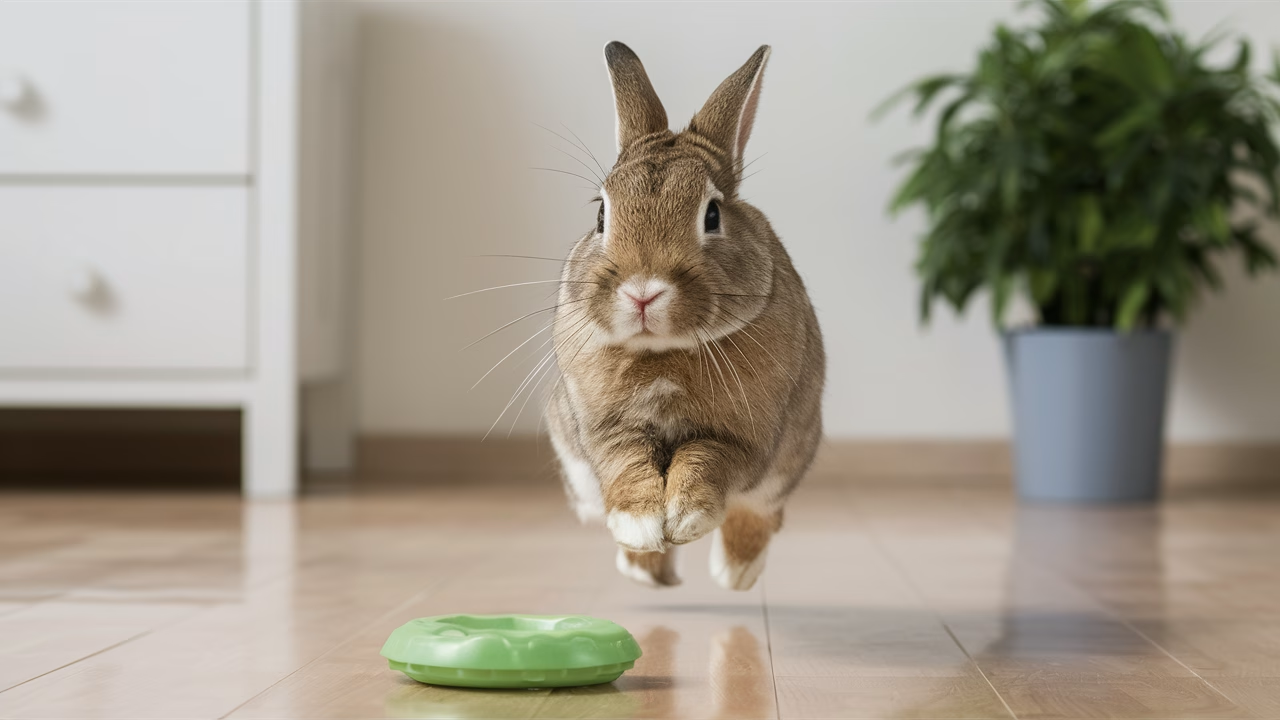
Rabbits weren’t designed to sit in cages all day. They need adequate room to explore, stretch, and hop freely for optimal digestive function and GI stasis prevention.
- Daily free roam time: At least 3–4 hours outside their enclosure for natural movement
- Foraging games: Hide herbs or pellets around the house to stimulate natural behaviors
- Obstacle setups or bunny-safe tunnels: Encourage active movement and mental stimulation
How to Create a Stress-Free Environment for Your Rabbit
Even small stressors can trigger hormonal changes that slow your rabbit’s digestive tract, leading to GI stasis. Here’s what helps create the ideal environment:
- Consistent routines: Feed and interact with your rabbit at regular times daily
- Safe spaces: Provide comfortable hiding spots in all living areas or pens
- Minimize surprises: Avoid loud sounds and limit unfamiliar handling that increases stress
- Bonded pairs: Some rabbits thrive with a companion for emotional support—others prefer solitude. Assess your rabbit’s individual temperament.
Stress is often the invisible trigger that can cause GI stasis in an otherwise healthy rabbit. Creating a peaceful sanctuary in your home goes a long way in preventing digestive complications.
Tips for Maintaining Digestive Health
GI stasis prevention goes beyond hay and exercise. These additional measures complete a comprehensive rabbit care routine for optimal digestive health:
- Regular belly massages: Gentle circular rubs can help move trapped gas and promote digestion
- Monitor litter boxes: Daily patterns in droppings reveal important patterns in overall health
- Annual or semi-annual vet checkups: Catch dental problems and weight fluctuations before they contribute to GI stasis
- Proper hydration: Offer fresh water in bowls (not just bottles) to encourage better intake
If you ever feel uncertain about your rabbit’s health, here’s our key advice: When in doubt, seek veterinary guidance. It’s always better to schedule a precautionary vet visit than miss early signs of developing GI stasis.
How Camel Nostrils Protect Against Sand: Desert Adaptation Science Explained
Frequently Asked Questions
- What should I feed my rabbit daily to prevent GI stasis?
Unlimited hay, a handful of leafy greens, and minimal high-fiber pellets. Avoid sugary or starchy treats. - Is belly massage safe for rabbits?
Yes—if done gently. Stop immediately if they show signs of discomfort. It can help in mild gas buildup. - How can I make my rabbit less stressed?
Maintain routines, minimize loud noises, offer hiding spots, and let them come to you for interaction. - Does exercise really help digestion in rabbits?
Absolutely. Movement stimulates gut motility and reduces the chance of blockages or buildup. - Can GI stasis go away on its own?
No. It requires medical intervention. Delaying care can be fatal. - Are some breeds more prone to GI stasis?
Any breed is susceptible, but long-haired rabbits or those with dental issues may be at slightly higher risk. - What’s the best kind of hay for an adult rabbit?
Timothy hay is typically ideal due to its high fiber and balanced nutrients.