What Does That Jump-Twist Mean? How to Interpret Bunny Behavior
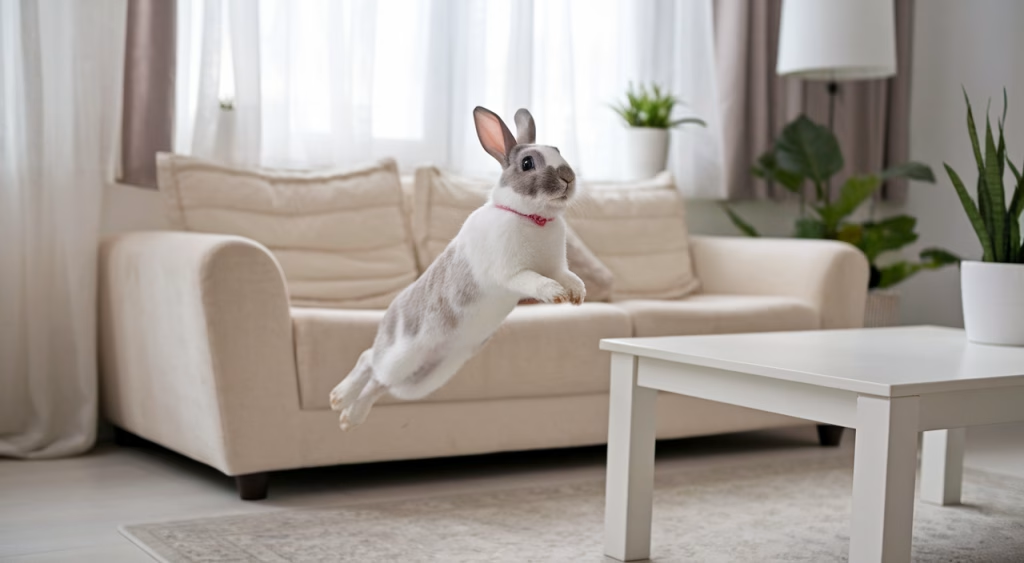
If you’ve ever caught your bunny leaping into the air, twisting mid-jump like a furry gymnast, you’re witnessing what’s known as a binky — and it’s one of the most joyful signals your rabbit can give. Let’s dive deeper into bunny behavior so you can recognize and respond to the many ways your little friend expresses happiness and affection.
TL;DR:
- Binkying: Iconic leap-and-twist move that shows peak bunny joy.
- Flopping: When your rabbit flops on their side, it means they feel completely safe and relaxed around you.
- Bunny purring: Gentle teeth grinding signals deep comfort and contentment.
- Bunny zoomies: High-energy spree of running and hopping = full-on excitement!
- Nose bonks: Friendly nudge that says, “I like you—give me attention.”
- Bunny licking: Grooming you is their way of saying, “You’re family now.”
- Posture cues: Relaxed body and stretched-out legs are signs of trust and happiness.
Binkying: When Rabbits Literally Jump for Joy
Your bunny’s signature jump-twist dance is called a binky—and it’s basically their version of a joy-fueled happy dance. Understanding bunny behavior starts with recognizing this iconic move. When a rabbit binkies, you’ll see a leap in the air, sometimes with a midair twist, a flick of the ears, or even a kick of the back legs. It’s absolutely spontaneous and comes from a deep sense of happiness.
If your bunny is binkying regularly, congratulations—you’re doing something right. They feel safe, stimulated, and content in their environment. Binkies often follow a good meal or a fun play session. You might notice them munching hay contentedly one second, only to launch sky-high the next. That’s bunny happiness in motion.
Flopping: The Bunny Zen Mode
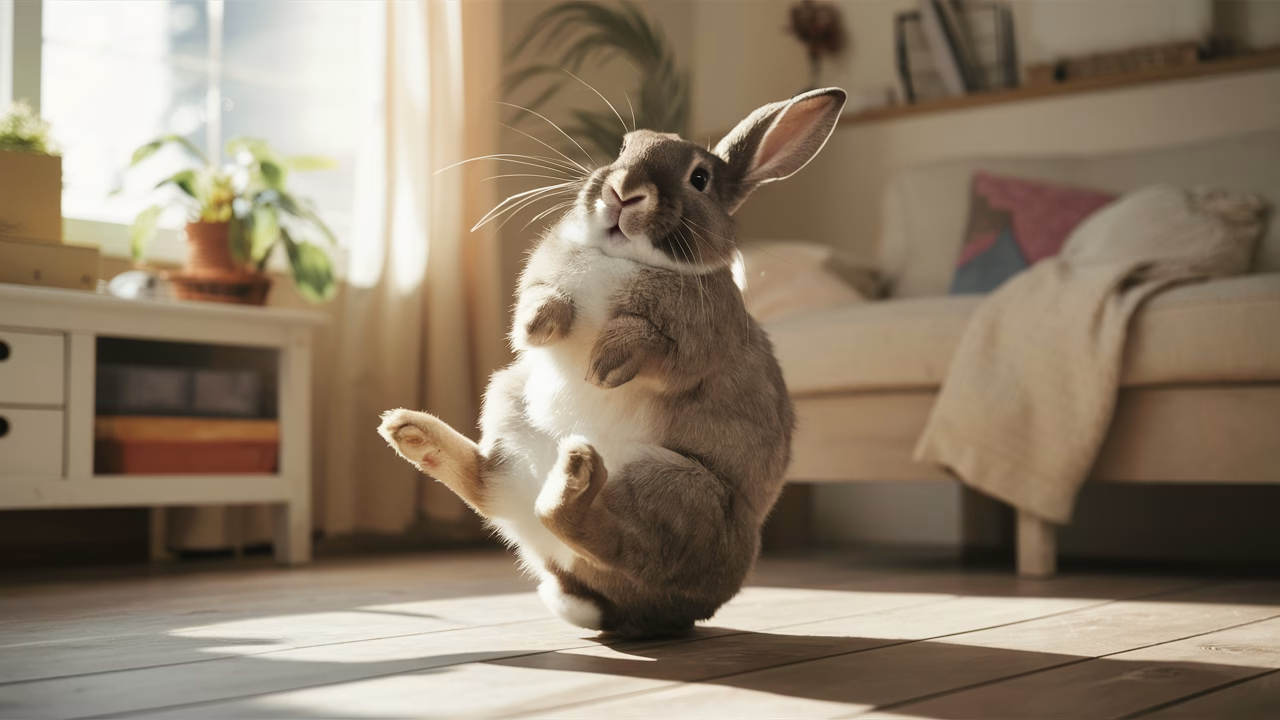
Flopping can look a little dramatic at first. One moment your rabbit is exploring, and the next—they’ve collapsed. But don’t panic. This isn’t distress; this is trust. Flopping is when a bunny lays over on their side or belly in a full-body sprawl. It’s the ultimate bunny chill pose and a key part of interpreting bunny behavior correctly.
In the wild, rabbits are prey animals. They stay alert, ready to bolt. So when a bunny flops over, it signals deep trust in their environment—and in you. It’s their nonverbal way of saying, “I’m safe, I’m relaxed, and I feel completely at home.”
Bunny Purring: The Subtle Sound of Contentment
Yes, rabbits purr! But not with vocal cords. Bunny purring is a rhythmic, soft grinding of teeth that you might notice during a gentle petting session or while they lounge nearby. It’s quiet—almost imperceptible unless the room is silent and calm. You may even feel it more than hear it.
This subtle signal is their way of expressing comfort, peace, and joy. Unlike cats, bunnies don’t perform their affection loudly. They’re more introverted in their love language—but no less sincere. When a bunny purrs in your presence, it’s like a whispered, “This feels nice. I’m happy.” Learning to interpret bunny behavior includes recognizing these quiet moments of contentment.
Zoomies: The Bunny Version of a Joy Ride
Has your rabbit ever dashed across the room, did a fast loop, and bounced off a wall like a fluffy pinball? Welcome to the world of bunny zoomies. These are high-octane bursts of energy where your rabbit displays pure, unfiltered excitement and one of the clearest signs of rabbit joy.
Zoomies often happen when they’re thrilled about food, excited about a clean play space, or just overloaded with happiness. You might notice a sprint followed by a binky, a corner skid, or a tail wiggle—all signs of high bunny spirits. Providing daily exercise and mental stimulation encourages more zoomies, keeping your rabbit both physically and emotionally healthy.
Bunny Affection: From Nose Bonks to Love Licks
Rabbits aren’t aloof—they show love, just in bunny-specific ways. Understanding these gestures helps you interpret bunny behavior and strengthen your bond. Let’s decode two key gestures of bunny affection:
Nose Bonks: A Gentle Boop of Connection
If your bunny nudges you with their nose, that’s a nose bonk. This is their way of saying, “Hi, friend. Acknowledge me.” It’s endearing, subtle, and incredibly sweet. In bunny society, nose-to-nose contact is a social behavior—they’re curious and acknowledging your presence.
If your bunny bonks and then looks expectantly or nudges again, they might be asking for pets or playtime. Lean into it (literally), because nose bonks are the bunny equivalent of an affectionate poke and a clear sign of bunny affection.
Bunny Licking: Grooming As Love
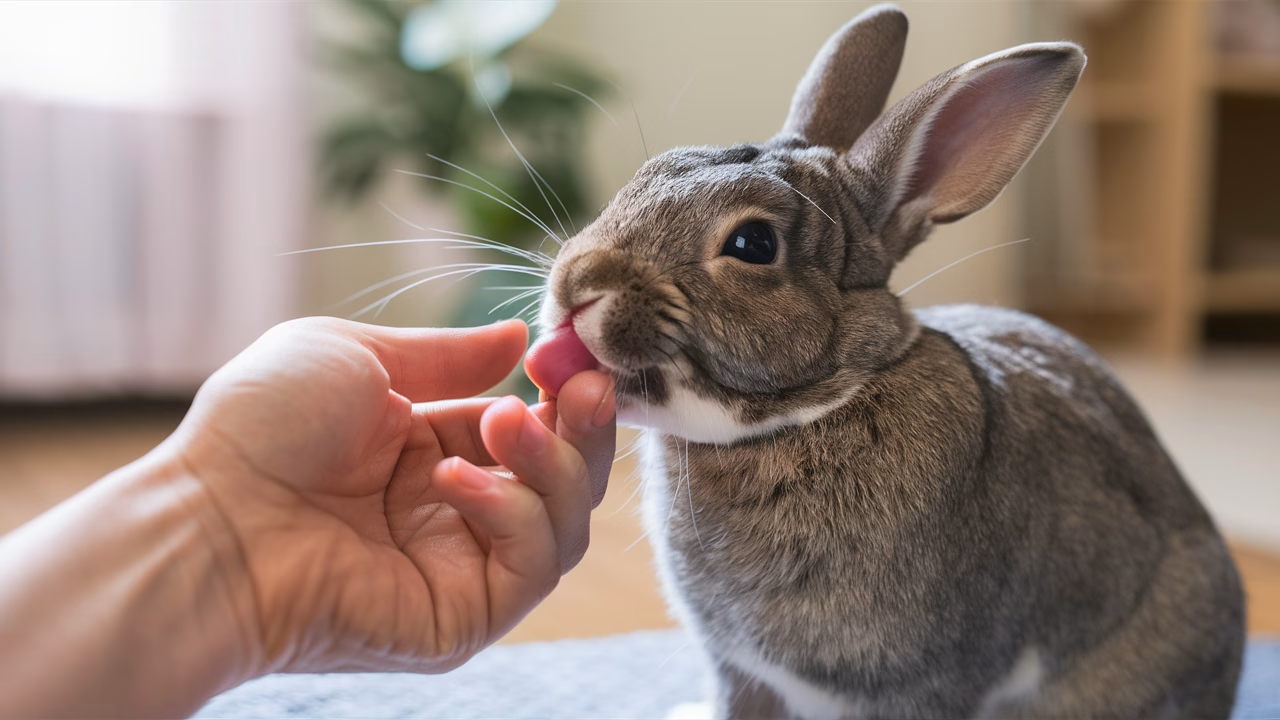
In bunny language, grooming equals love. Rabbits groom each other to establish bonds and communicate acceptance. If your bunny licks your hand—or toe or face—they’re declaring, “You’re part of my warren.”
It’s particularly meaningful because you’re not another rabbit. So when they extend a physical grooming gesture to you, it’s real affection built on trust. In short: your bunny just kissed you. Feel free to swoon. This behavior represents one of the strongest signs of rabbit joy and acceptance.
Posture and Position: The Quiet Language of Bunny Mood
Bunny behavior isn’t always bouncy. Much of it is communicated through subtle body posture. A relaxed pose can speak volumes about how your rabbit feels and is essential for interpreting bunny behavior accurately.
| Posture | What It Means |
|---|---|
| Stretched out with hind legs behind | Comfortable, calm, content |
| Legs tucked underneath | Relaxed but alert |
| Head resting on floor | Feeling safe |
| Perked-up ears | Interested in surroundings |
| Pinned back ears | Fear or aggression (context matters) |
Watch your bunny in different situations. Are their eyes half-closed while resting? They’re content. Are they running and flopping without a care? That’s bunny joy in action. Over time, learning their posture patterns helps you better respond to their needs and master how to interpret bunny behavior.
Comparing Bunny Behaviors: Joy vs. Stress Signals
| Behavior | Happy Bunny | Stressed Bunny |
|---|---|---|
| Movement | Zoomies, binkying | Freezing, hiding |
| Body Language | Flopping, lounging | Tense posture, hunched |
| Sound | Quiet purring | Thumping or teeth grinding (pain) |
| Interaction | Nose bonks, licks | Running away, biting |
Recognizing the difference between happiness and stress is key to interpreting bunny behavior. Context always matters, so consider posture, movement, and environment when decoding what your bunny is trying to tell you. Understanding these signs of rabbit joy versus distress ensures you can provide the best care for your furry friend.
Frequently Asked Questions
- How can I tell if my bunny trusts me?
Bunnies that flop, groom you, or purr while being petted likely trust you deeply. - Why does my bunny suddenly run around like crazy?
That’s likely the zoomies! It’s a fun, energetic display of happiness or excitement. - Is teeth grinding bad in bunnies?
Soft purring-style grinding is good—it means they’re content. Loud, harsh grinding may signal pain. - What does it mean when my rabbit licks me?
It’s a grooming gesture—a major sign of bunny affection and social bonding. - My bunny never binkies. Should I be worried?
Not necessarily. Some bunnies express happiness more subtly. Watch for other cues like flopping or purring. - Are bunny zoomies safe?
Generally yes, as long as your home is bunny-proofed. Just make sure they have open space and footing. - What posture shows a bunny feels safe?
A relaxed sprawl with outstretched limbs is a sign they feel safe and peaceful.