How many volts can an electric ray produce, and why does it matter?
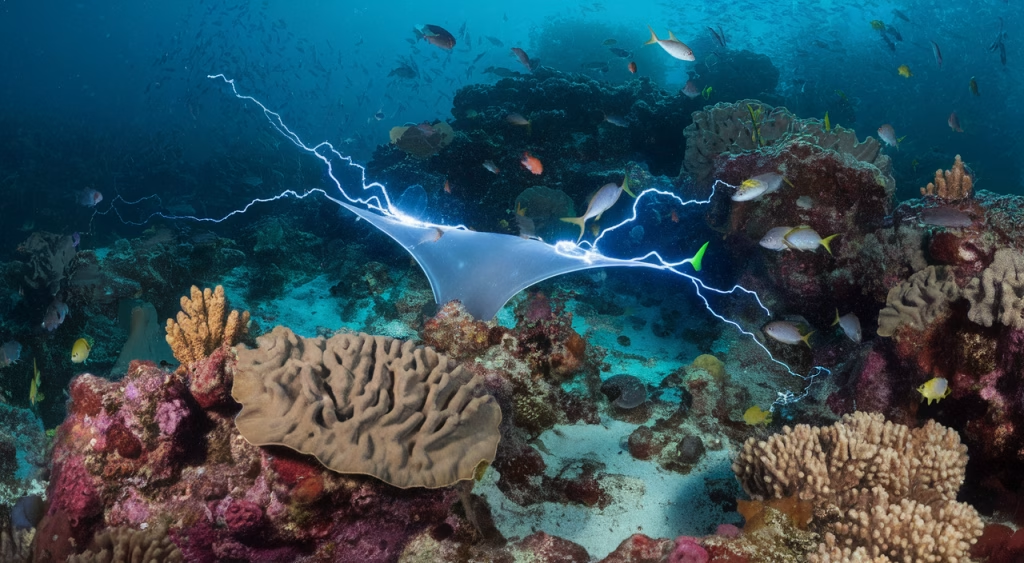
Electric rays can deliver powerful electric shocks reaching up to 200 volts. These shocks aren’t just for defense or hunting—they play a vital role in shaping marine ecosystems. But what makes these underwater electricians so special, and how do they unleash such voltage beneath the waves?
TL;DR: Electric Ray Shocks Unplugged
- Electric ray volts: Up to 200 volts of bioelectric discharge for stunning prey and self-defense.
- Species variety: Over 69 electric ray species, each adapted to specific marine habitats.
- Behaviors: Nocturnal, benthic dwellers; they ambush prey using shock and camouflage.
- Habitat insights: Found from shallow coastal waters to 1,000-meter depths globally.
- Ecological impact: Their electric fields influence predator-prey dynamics and reef biodiversity.
Introduction to Electric Rays
Ever stumbled upon the phrase “underwater taser”? Chances are someone was referring to an electric ray—a fascinating group of cartilaginous fish capable of generating high-voltage electric shocks. These creatures, often overlooked in mainstream marine studies, punch well above their weight with electric discharges reaching a staggering 200 volts. That’s enough to immobilize prey or deliver a solid deterrent to predators like sharks.
Electric ray species belong to the order Torpediniformes, with over 69 documented species globally. Unlike eels that produce electricity continuously, electric rays store and release their charge like living batteries. Their specialized organs, packed with electrocytes, enable them to generate instantaneous, purposeful bursts of electricity powerful enough to jolt the food chain into awareness.
If you’re a marine biology enthusiast or diving into the depths of oceanic mystery for the first time, understanding these voltage-wielding marvels opens up exciting windows into electric ray behavior, evolution, and the smart design of nature beneath the waves.
Electric Ray Behavior and Habitat
Meet the Ambush Artists of the Sea
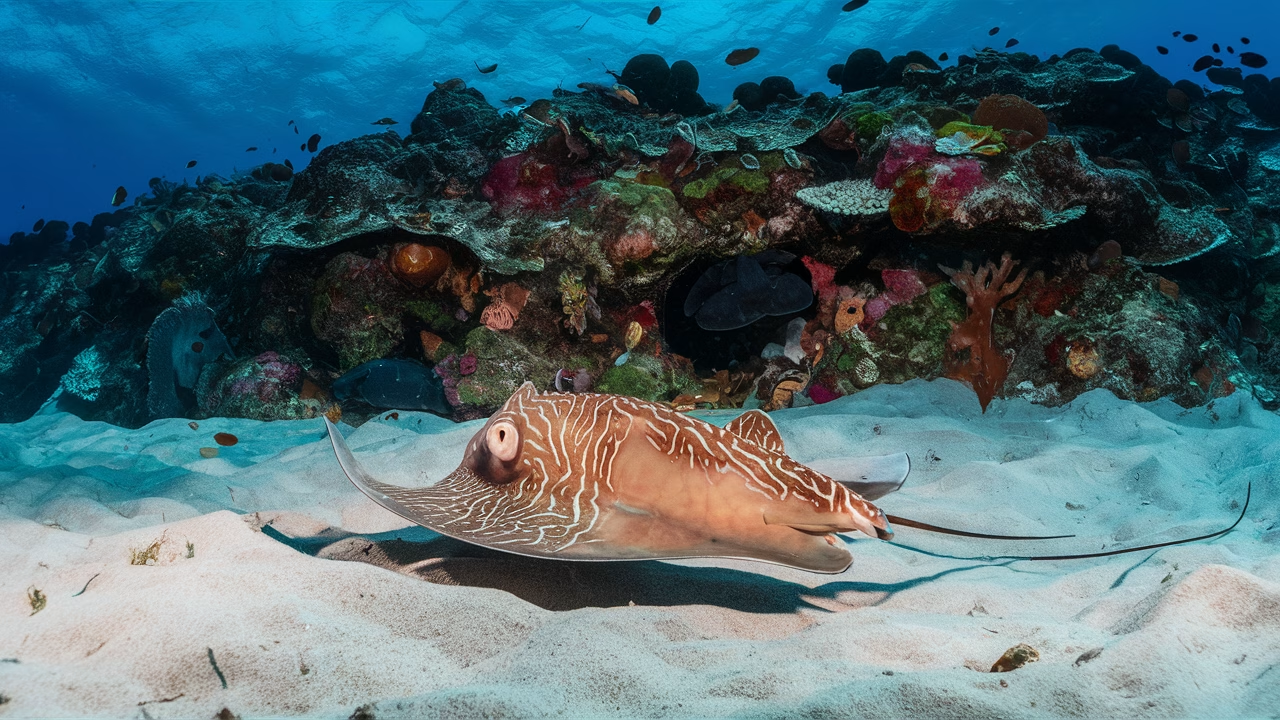
Electric ray behavior reveals masters of underwater stealth. These rays are mostly nocturnal and benthic—meaning they dwell close to the seabed. They often bury themselves under sand and silt during the day, emerging at night to hunt. Their electric ray behavior is a curious mix of patience and precision; they lie in wait, using electroreceptors to detect movement, then discharge a jolt to stun prey before capture.
Electric Ray Habitat: From Coral Reefs to Continental Shelves
Understanding electric ray habitat preferences reveals their remarkable adaptability. You’ll find them across tropical, subtropical, and temperate zones—from sunlit coral reefs and estuaries to inky black depths over 1,000 meters. Some electric ray species, like the Atlantic torpedo ray, have even been found close to northern Europe, showcasing their diverse habitat requirements.
Not Just One Kind of Zap: Electric Ray Species Diversity
Different electric ray species pack variable voltage capacities. Smaller electric ray species like the lesser electric ray (Narcine bancroftii) deliver modest shocks of 14–37 volts, while giants like the Pacific torpedo ray (Tetronarce californica) can reach 200 volts—enough to make even a dolphin think twice about their next meal.
How Electric Rays Produce High-Voltage Shocks
The Electric Organ Complex: Nature’s Power Generator
If you’re wondering, “How do electric rays produce high-voltage shocks?” — the secret lies in their unique anatomy. Electric rays have paired electric organs located on either side of their heads. These organs are packed with muscle-like cells called electrocytes, the key to generating those impressive electric ray volts.
When the ray signals these electrocytes to depolarize, they shift ions to create a flow of electricity—like tiny biological capacitors. Stacked in series and layers, these cells amplify voltage. The result? A stunning jolt of up to 200 volts in species like Tetronarce nobiliana, demonstrating how electric rays produce high-voltage shocks with remarkable efficiency.
Here’s a simplified analogy: If each electrocyte were a flashlight battery, stacking hundreds of them would light up a stadium. Not perpetually, but in a rapid-fire burst—an effective strategy for surprise attacks and defense that showcases the incredible electric ray volts these creatures can generate.
Comparing Electric Marine Species
| Species | Voltage Range | Primary Use |
|---|---|---|
| Electric Ray (e.g. Atlantic torpedo) | 50–200V | Prey stunning and defense |
| Electric Eel | Up to 600V | Navigation, hunting, communication |
| Stargazer Fish | 50V | Predator deterrence |
While the electric eel may win a contest of raw voltage, the electric ray masters the art of directional, short-burst delivery—a precision tool in a marine wild west that demonstrates the specialized nature of electric ray volts.
Impact of Electric Ray Shocks on Underwater Ecosystems
Now let’s zoom out: What do underwater electric shocks from these rays mean for the bigger ecological picture? The impact of electric ray shocks on underwater ecosystems may surprise you.
Shaping the Predator-Prey Dynamic
By stunning prey like small fish, shrimp, or crustaceans with underwater electric shocks, electric rays reduce the time and energy needed for hunting. This shifts energy flows in the ecosystem. Moreover, predators aware of a ray’s shocking capability might avoid hunting in their zones, offering unexpected refuges for other marine species—a clear example of how the impact of electric ray shocks on underwater ecosystems extends far beyond the initial zap.
Underwater Electric Shocks as Communication?
There’s growing evidence that some electric ray species might use low-voltage underwater electric shocks for communication—territorial warnings or mating signals. Think of it as underwater Morse code, though the full impact of electric ray shocks on underwater ecosystems communication networks remains poorly understood.
Ecosystem-Wide Effects of Electric Ray Voltage
In areas with thriving electric ray populations, marine ecologists have noticed shifts in species density and composition. Certain bottom-dwellers avoid frequent ray zones, altering benthic biodiversity. Their lateral electric fields may even influence larval settlement patterns in coral reefs and sediment beds, demonstrating the far-reaching impact of electric ray shocks on underwater ecosystems.
Conservation Efforts for Electric Rays
Not All Sparks Are Forever
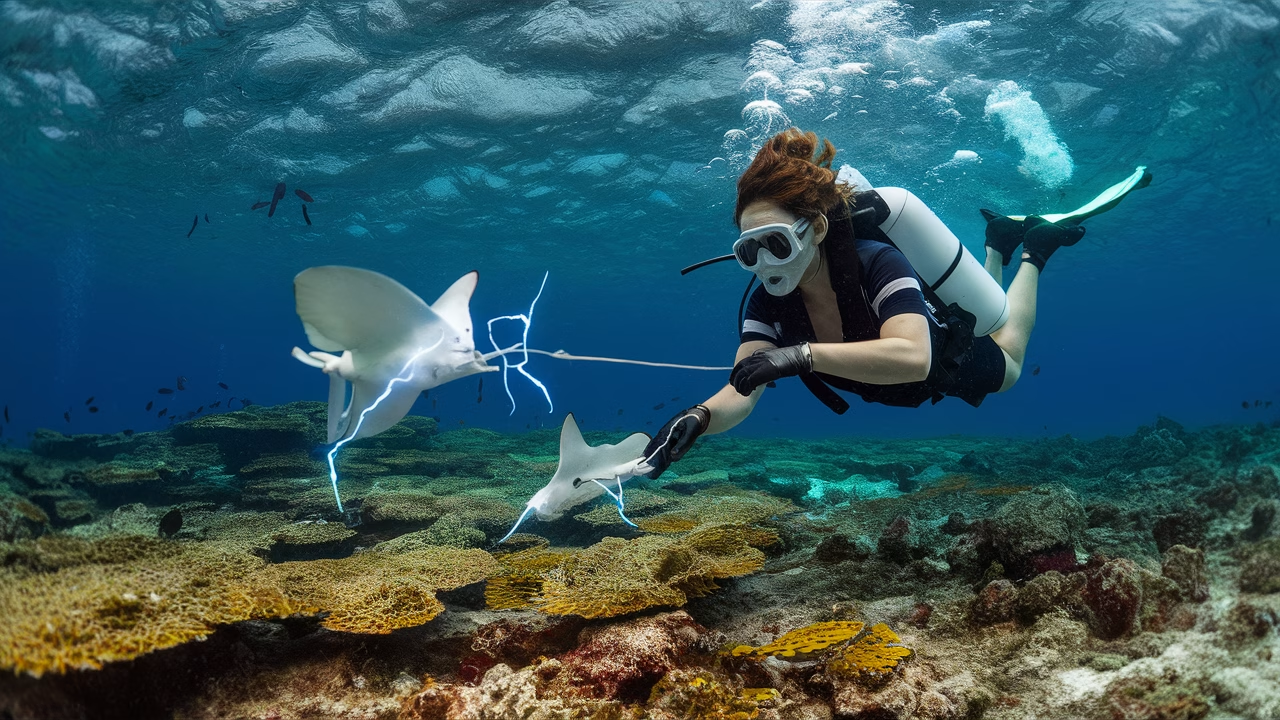
Electric ray species are increasingly facing threats from habitat destruction, deep-sea trawling, and bycatch. Many electric ray species are listed as Vulnerable or Near Threatened by the IUCN. Their slow reproduction rates mean population recovery can take decades, making electric ray habitat protection crucial.
What’s Being Done
Conservation initiatives include marine protected areas (MPAs), restrictions on bottom trawling, and better species monitoring of electric ray behavior patterns. However, awareness among divers, fishermen, and marine tourists about electric ray habitat needs remains crucial.
What Can You Do?
- Support ocean conservation organizations focused on electric ray species protection.
- Avoid disrupting benthic regions while diving or snorkeling where electric ray habitat exists.
- Share this knowledge—many don’t know these incredible creatures exist, let alone their ecological weight in marine ecosystems.
Final Thought
The electric ray is a silent, glowing ripple beneath the ocean’s surface—part stealth predator, part living battery. Its ability to generate controlled underwater electric shocks doesn’t just fascinate engineers and biologists. It reminds us how complex, finely-tuned, and awe-inspiring marine life truly is. From electric ray behavior and physiology to their role in marine food webs, they’re a testament to evolutionary brilliance—and they deserve our attention and protection.
Frequently Asked Questions
- How many volts can an electric ray produce?
An electric ray can produce electric shocks up to 200 volts—enough to stun small fish and deter large predators. - Are electric rays dangerous to humans?
While their shocks can be startling and moderately painful, they are generally not fatal or seriously harmful to humans. - Can electric rays electrocute prey instantly?
Yes, they use their electric shock to immobilize or confuse prey long enough to swallow it whole. - Do all electric rays generate the same voltage?
No. Voltage varies by species, with larger rays generating more powerful shocks than smaller ones. - Where are electric rays commonly found?
They are found worldwide, in coastal, tropical, and temperate waters, often near sandy or muddy seafloor habitats. - How do electric rays generate their electricity?
Electric rays have specialized organs with electrocytes that release charges when stimulated, creating a pulse of electricity. - Can electric shocks affect other marine species?
Yes, their shocks influence predator-prey interactions and may shape behavior and biodiversity in their habitat zones.