How do colors affect rabbit behavior?
Colors profoundly influence **rabbit behavior** in ways we’re only beginning to understand. While your bunny doesn’t perceive the full spectrum you do, their reaction to environmental colors—especially **shades of blue and green**—can dramatically shape their mood, stress levels, and daily interactions with their surroundings.
TL;DR Summary:
- Rabbits have dichromatic vision, seeing mainly shades of blue and green.
- Color perception affects behavior—from calmness to playfulness.
- Red and orange hues stimulate energy and activity, but too much red can cause stress.
- Blue and green tones enhance tranquility and relaxation, ideal for winding down.
- Yellow and orange encourage curiosity and appetite, suitable for feeding areas.
- Every rabbit is unique: observe your rabbit’s responses to optimize their environment.
The Visual Abilities of Rabbits
Understanding Rabbit Vision
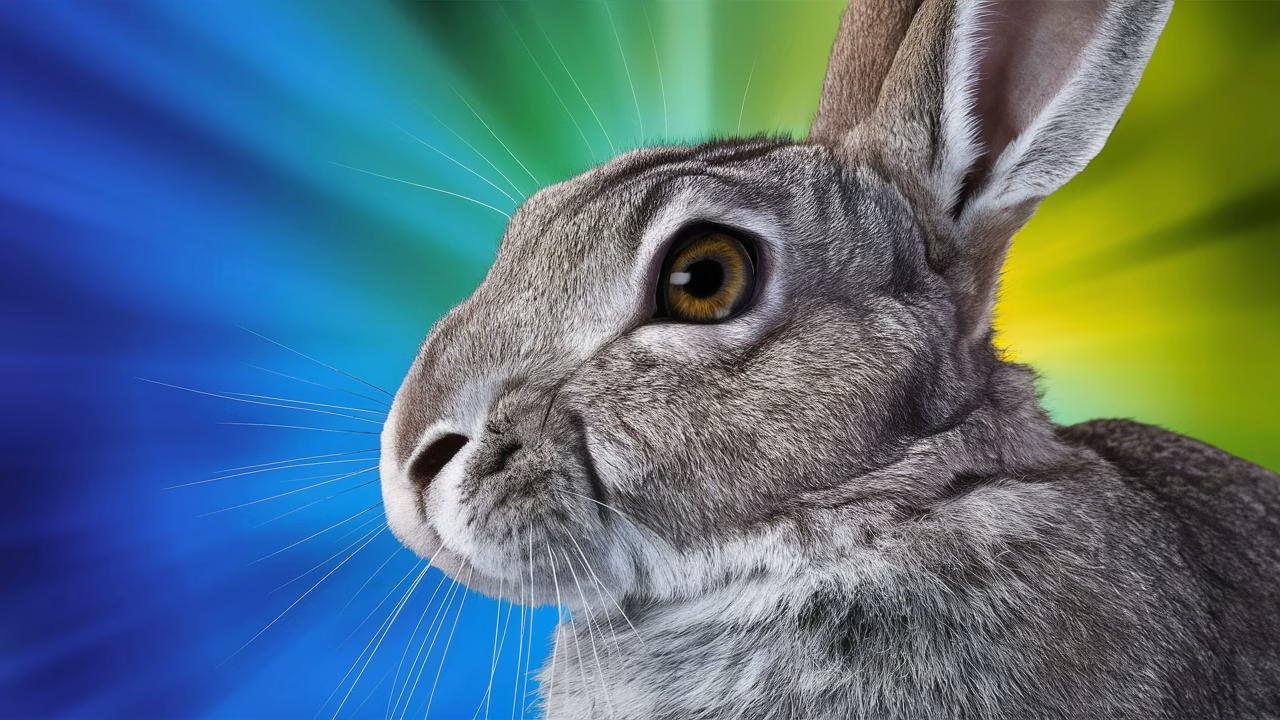
To understand how colors affect your rabbit’s daily life, we need to explore their unique **rabbit vision**. Your bunny is a crepuscular animal, most active during dawn and dusk. Their eyes sit on the sides of their head, providing an impressive visual field of nearly 360 degrees. This extraordinary view helps them detect predators from almost any angle—a crucial evolutionary advantage.
Unlike humans with trichromatic color vision (seeing red, blue, and green), rabbits possess dichromatic vision. This means they perceive primarily **shades of blue and green**. Their retinas contain only two types of cone photoreceptors, significantly limiting their ability to distinguish between red wavelengths and other colors.
Perception of Colors by Rabbits
While their **perception of colors by rabbits** is limited, it remains highly significant for their well-being. Your rabbit can differentiate between various hues, especially **cool tones like blue and green**. Warmer colors (reds and oranges) likely appear as muted or dark grays to them. However, brightness and contrast still matter tremendously. Rabbits are particularly sensitive to light intensity and saturation levels rather than specific hues alone.
| Color Group | Human Perception | Rabbit Perception |
|---|---|---|
| Red | Bright, stimulating | Dark, intense gray |
| Green | Calming, natural | Visible and discernible |
| Blue | Cool, calming | Highly visible |
| Yellow | Cheerful, warm | Likely seen as dim gray |
Impact of Colors on Rabbit Behavior
Behavioral Responses to Different Colors
The **impact of color on rabbit behavior** varies significantly depending on the hue and intensity you introduce. Though your bunny may not perceive certain colors like you do, their brain still registers specific wavelengths as either stimulating or calming. Understanding these responses helps you create better environments:
- Red: Stimulates attention and activity levels. May increase thumping and exploratory behavior. Use sparingly to avoid overstimulation.
- Orange: Linked to appetite stimulation and playful energy. Encourages engagement during feeding times and interactive play sessions.
- Yellow: Promotes gentle curiosity and mild behavioral stimulation. Can lift mood or encourage calm exploration.
- Green: Creates familiarity and comfort. Excellent for calming nervous rabbits and supporting natural behaviors like foraging.
- Blue: Deeply relaxing and stress-reducing. Perfect for sleep zones and helping rabbits recover from anxiety.
- Violet/Indigo: Effects vary between individuals, but generally supports restfulness when used subtly.
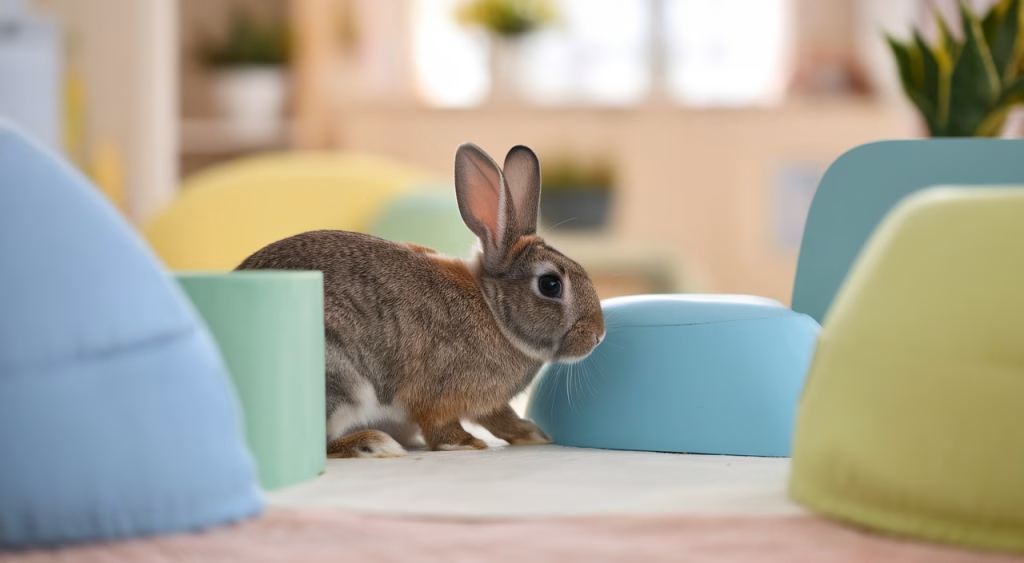
In practical terms, if you have an anxious bunny, incorporating soft green or pastel blue bedding can foster calm. For a shy rabbit you’re encouraging to play, strategic splashes of orange might gently boost their energy and confidence.
Creating a Mood-Enhancing Environment
Environmental enrichment extends far beyond toys and tunnels. A visually thoughtful habitat can significantly improve your **rabbit’s behavior** and emotional state. The **influence of colors on mood** becomes a powerful tool in your pet care arsenal:
- Use **shades of blue and green** in areas where your rabbit sleeps or seeks comfort.
- Introduce yellow accents during feeding to spark curiosity and appetite.
- Add bright orange or red toys during supervised playtime for energy boosts.
- Avoid overwhelming confined spaces with too much stimulating red coloration.
How Tardigrades Survive Space, Boiling Water & Freezing Cold: Nature’s Ultimate Survivors
Implementing Color Psychology for Rabbit Well-Being
Choosing the Right Colors for Your Rabbit
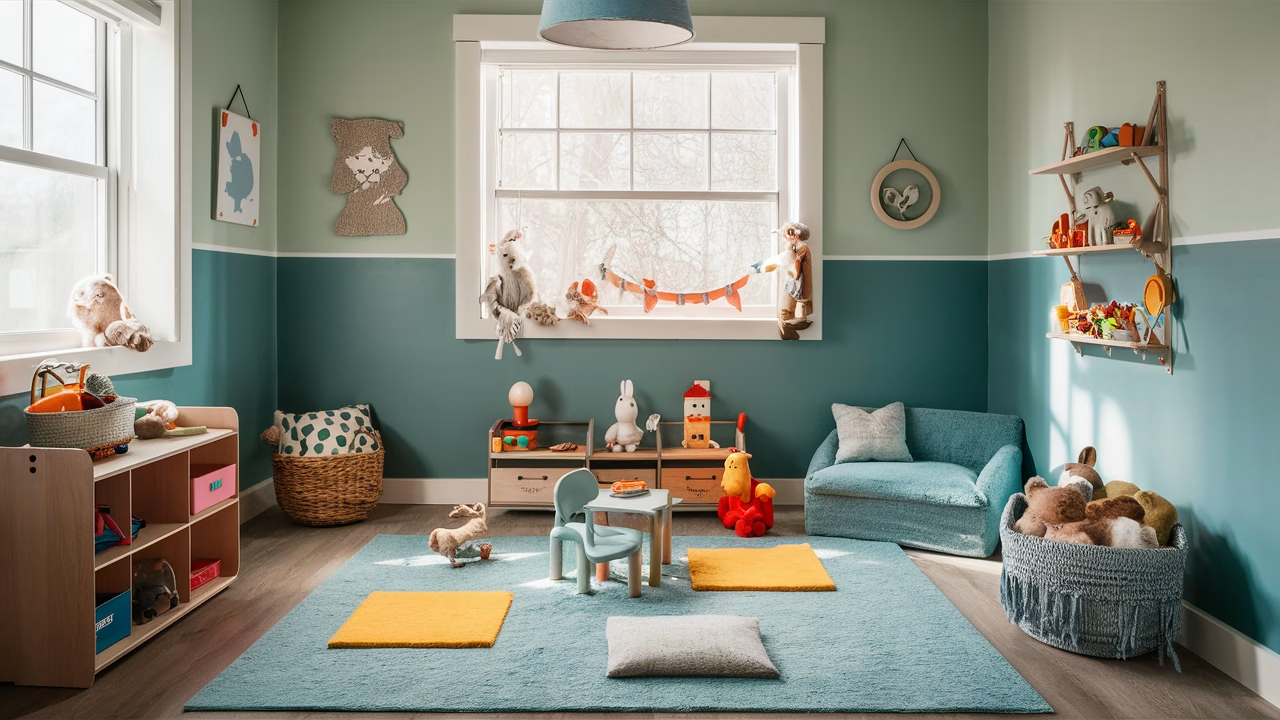
To create a behaviorally optimized environment that supports your rabbit’s natural instincts, think strategically about color zones. Each area of their space should serve a specific behavioral purpose:
| Rabbit Area | Best Colors | Why It Works |
|---|---|---|
| Sleeping/Hiding | Blue, Violet, Green | Reduces anxiety and promotes deep rest |
| Feeding Station | Yellow, Orange | Stimulates appetite and feeding interest |
| Play Zone | Orange, Light Red | Encourages movement and interactive behavior |
Observing Reactions and Adjusting Environment
Careful observation remains your most valuable tool for understanding how colors affect your individual rabbit’s behavior. Every bunny responds differently to environmental changes, so watch for these behavioral cues:
- Increased Thumping: Often indicates overstimulation or stress—consider reducing intense hues like bright red.
- More Snuggling or Napping: Signals comfort and contentment—reinforce successful color themes in those areas.
- Avoiding Certain Areas: Try introducing contrasting colors or different textures to renew their interest.
We recommend rotating enrichment colors seasonally to maintain behavioral engagement. Use soft pastels during spring and summer months, then transition to deeper, cozier tones for winter comfort. This variety keeps your **rabbit’s behavior** dynamic and emotionally balanced throughout the year.
Frequently Asked Questions
- Can rabbits see red color?
Rabbits cannot perceive red as humans do. It appears gray or dark, but its brightness can still affect their mood or behavior. - What colors do rabbits prefer?
They tend to respond positively to calming colors like blue and green, which resemble natural environments. - Does color affect rabbit stress?
Yes. Harsh or overwhelming colors like intense red may trigger anxiety, while cooler tones promote calmness. - What color is best for rabbit bedding?
Soft blue, green, or neutral beige shades support relaxation and sleep. - Is it okay to decorate a rabbit cage with colorful items?
Absolutely, just use stimulating colors sparingly and focus on calming tones for their resting areas. - How do I tell if my rabbit likes a color?
Note their behavior around certain items—more interaction or relaxation can indicate preference. - Can color impact a rabbit’s appetite?
Yes. Warm tones like orange and yellow may subtly stimulate feeding interest.