Why Are Emperor Penguins the Only Birds That Breed in Antarctic Winter?
Emperor penguins are unique in the bird world—no other species chooses the bitter heart of the Antarctic winter to start a family. But why do emperor penguins breed in winter when other Antarctic winter birds migrate to warmer climates? It turns out, breeding in such extreme conditions is part of a brilliant survival strategy that has evolved over thousands of years.
TL;DR: Understanding Emperor Penguin Breeding in Winter
- Exclusive Winter Breeders: Emperor penguins are the only birds that breed during the Antarctic winter.
- No Traditional Nests: They don’t build nests—males incubate eggs on their feet for over two months using specialized brood pouches.
- Extreme Survival Conditions: Temperatures reach -60°F with fierce winds, yet survival relies on close colony huddling and energy conservation.
- Specialized Parental Roles: The female lays a single egg and embarks on a feeding trip; the male fasts and guards the egg.
- Strategic Timing: Chicks hatch just as temperatures improve, giving them optimal survival conditions.
1. The Antarctic Winter: Nature’s Harshest Nursery
1.1. Challenges Faced by Emperor Penguins
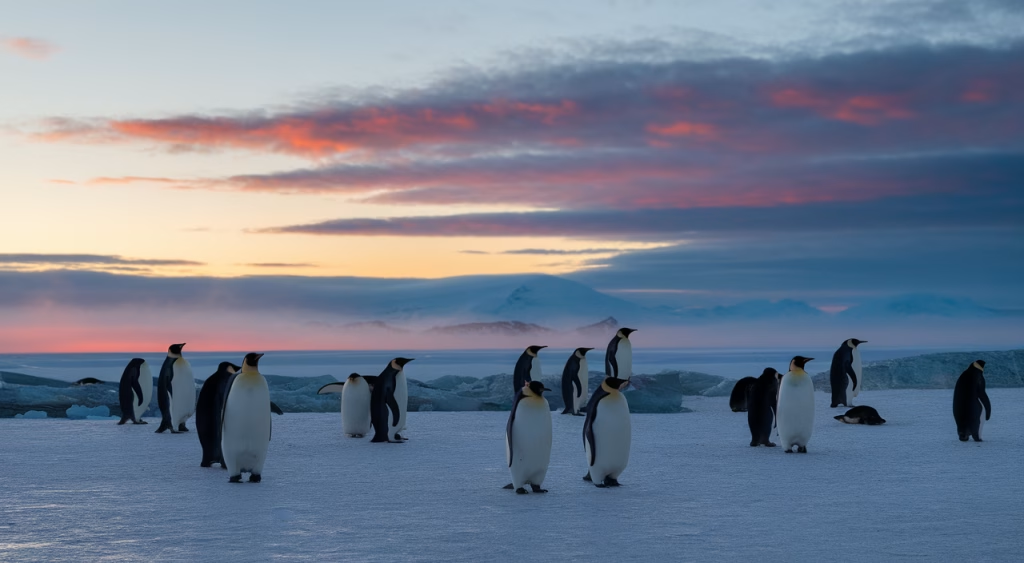
Imagine a place darker than midnight and colder than your freezer’s bottom drawer. The Antarctic winter is a vast, frozen desert of blizzards, gale-force winds, and temperatures plunging to -60°F (-51°C). It’s in this world of extremes that emperor penguins choose to raise the next generation through their remarkable emperor penguin breeding cycle.
Unlike other penguin species that avoid the Antarctic’s frigid months, emperor penguins embrace this challenge. Why do they breed in winter when it seems counterintuitive? Breeding during Antarctic winter might seem backward, but it’s a strategy perfected by evolution. By the time their chicks are born, the Antarctic spring has arrived, providing the young ones more favorable conditions and access to open seas for feeding.
Yet surviving the cold isn’t just about timing—it’s about extraordinary adaptations. From their densely packed feathers to their social huddles in breeding colonies, emperor penguins use every evolutionary tool available to defy the Antarctic chill.
2. Breeding Behaviors of Emperor Penguins
2.1. Unique Nesting Habits During Winter
Ever seen a bird nest on its own feet? That’s exactly what emperor penguins nesting in winter do. Unlike tree-nesting songbirds or burrow-dwelling puffins, these Antarctic specialists have developed the most unusual nesting strategy in the bird kingdom.
Here’s how their incredible emperor penguin breeding process works: After emperor penguins trek over ice—sometimes up to 100 km from the ocean—the female lays a single precious egg and transfers it carefully to the male’s feet. The egg rests on a specialized skin flap called a brood pouch, which maintains the perfect temperature and shields it from the freezing Antarctic air.
Then the female leaves the breeding colony to hunt hundreds of miles away in the ocean, leaving the male to incubate solo for approximately 64 days. During this entire emperor penguin breeding period, the male fasts completely—yes, without food or water—and huddles with thousands of other devoted fathers for warmth and survival.
2.2. Mating Rituals and Courtship in Breeding Colonies
Finding love in Antarctica’s frozen landscape isn’t easy, but emperor penguins have developed charming, synchronized courtship behaviors. Their breeding behaviors begin with elaborate mutual displays: graceful bowing, gentle bill touching, and distinctive vocal calling that echoes across the ice. These courtship rituals help form strong pair bonds and ensure that partners can locate each other among thousands of nearly identical penguins in their massive breeding colonies.
Once mates select each other, copulation is brief but perfectly timed. Synchronization is crucial for successful emperor penguin breeding, so pairs must align their biological rhythms quickly. After mating, they prepare for the great incubation handoff—the ultimate partnership of endurance, trust, and survival.
3. Survival Strategies in Antarctica’s Freezing Climate
Living and breeding in the most inhospitable place on Earth requires more than just thick feathers—it demands incredible teamwork, specialized biology, and evolutionary genius that sets emperor penguins apart from all other Antarctic winter birds.
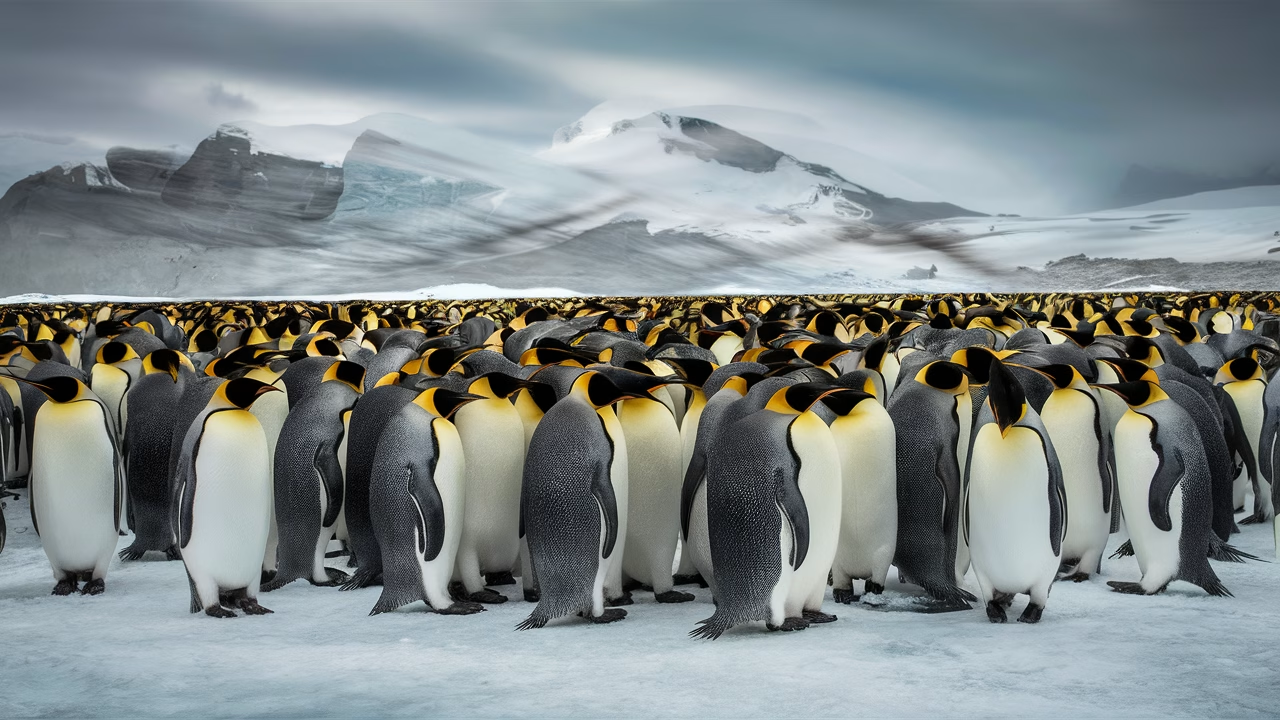
Huddling for Survival: To conserve precious body heat during emperor penguin breeding season, males form tightly packed groups of up to 5,000 individuals. Each penguin rotates from the frigid outer edge into the life-saving warm center. These living, breathing heat engines reduce individual heat loss by up to 50%, making survival possible during the harshest months.
Specialized Insulation Systems: Emperor penguins sport four distinct layers of scale-like feathers plus thick blubber, offering unmatched insulation against Antarctic conditions. Their feet feature counter-current heat exchange systems, preventing frostbite while walking on ice that’s colder than most home freezers.
Energy Conservation: Males minimize movement during the critical incubation period—every movement burns precious calories from their dwindling fat reserves. When the female finally returns, often guided by his distinctive honking calls, they execute a careful role switch that’s essential for successful emperor penguin breeding.
4. From Egg to Chick: Perfect Timing in Harsh Conditions
By the time the chick hatches under its father’s careful warmth, the mother hopefully returns with a belly full of nutritious seafood. The two parents then alternate between hunting trips and chick care, feeding their hungry offspring pre-digested regurgitated fish, krill, and squid rich in essential nutrients.
The chick must gain strength rapidly in this unforgiving environment. With threats from predation, fierce storms, and extreme energy demands, every moment in the emperor penguin breeding cycle counts. If all proceeds successfully, by summer’s end the juvenile penguin will molt into waterproof adult feathers, ready to begin its independent life in Antarctic waters.
5. Why This Winter Breeding Strategy Works
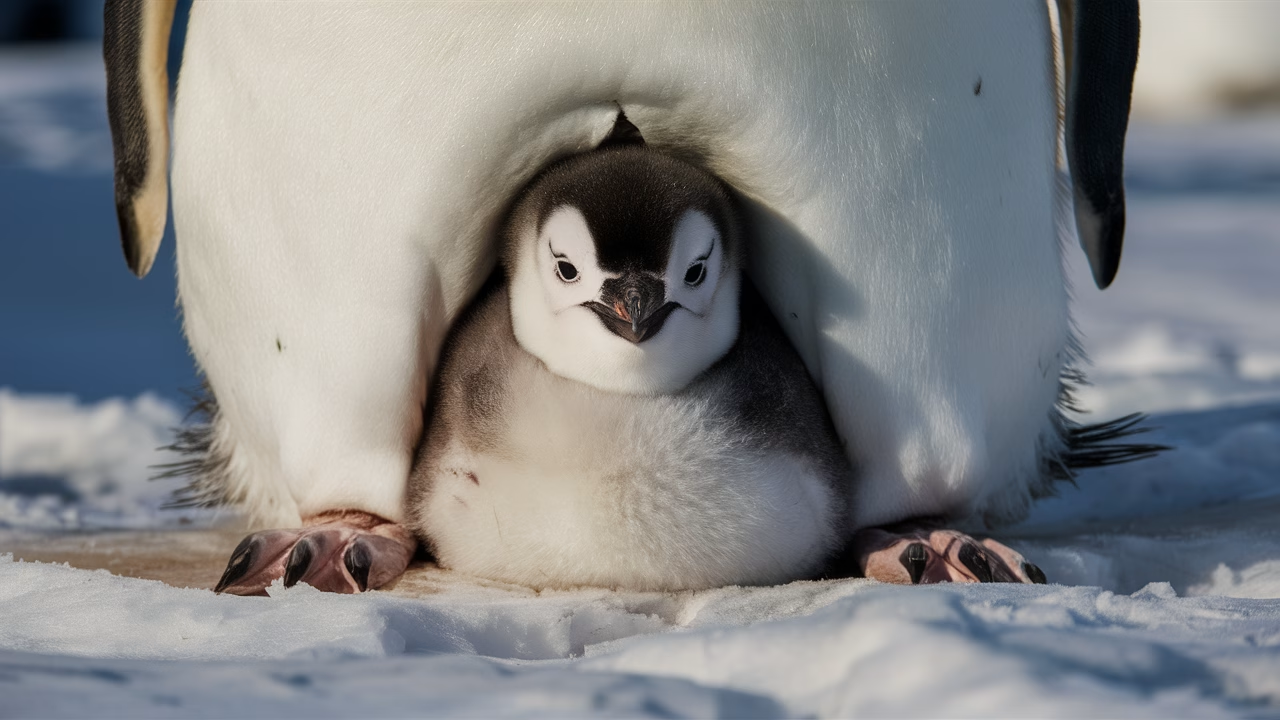
The remarkable logic behind emperor penguin breeding during winter becomes crystal clear when you consider the bigger picture. If they bred during Antarctica’s warmer months, their chicks would emerge during peak scarcity periods, when melting sea ice makes food sources nearly impossible to reach. By courageously braving the most severe season for egg-laying, emperor penguins perfectly synchronize chick-rearing with the return of sunlight, rising temperatures, and fish-abundant seas.
This intelligent natural calendar demonstrates just how precisely emperor penguins have adapted to their extreme environment. Their breeding behaviors represent survival against impossible odds, written in millions of years of time-tested evolutionary wisdom.
Final Thoughts: Masters of Antarctic Survival
Emperor penguins teach us that nature rewards precision, cooperation, and incredible perseverance. Their parenting strategies aren’t just dutiful—they represent an icy symphony of perfect timing, specialized biology, and unmatched social cooperation. Watching a fluffy chick peek out from under dad’s protective brood pouch while Antarctic winds swirl around isn’t just heartwarming—it’s truly inspiring. Because in one of Earth’s most hostile places, life doesn’t just survive—it thrives through extraordinary adaptation and the most remarkable breeding behaviors in the animal kingdom.
FAQs About Emperor Penguin Winter Breeding
- Is the emperor penguin the only penguin that breeds in winter?
Yes, the emperor penguin is the only known bird species that exclusively breeds during the Antarctic winter, a strategy that aligns chick rearing with more favorable spring conditions. - What do emperor penguins eat during breeding?
During breeding, males fast while females hunt at sea for fish and squid. Once the female returns, parents take turns feeding their chicks regurgitated seafood. - Why do emperor penguins huddle?
Huddling is a vital survival behavior that helps conserve body heat. Penguins rotate positions to ensure everyone gets a chance in the warm center. - How far do emperor penguins travel to breed?
They trek over 50 to 120 kilometers inland from the sea to reach traditional breeding colonies located on stable sea ice. - Do all emperor penguin eggs survive?
Unfortunately, no. Harsh winds, starvation, predation, and separation from parents mean not all chicks make it, but survival strategies have evolved to maximize success. - How long do emperor penguins incubate their eggs?
Males incubate the egg for about 64 days while the female is away feeding. This is done with the egg balanced on their feet under a brood pouch. - Can humans visit emperor penguins?
Yes, but access is limited and highly controlled to protect the fragile environment. Research stations and specialty tours offer sightings primarily during warmer months.