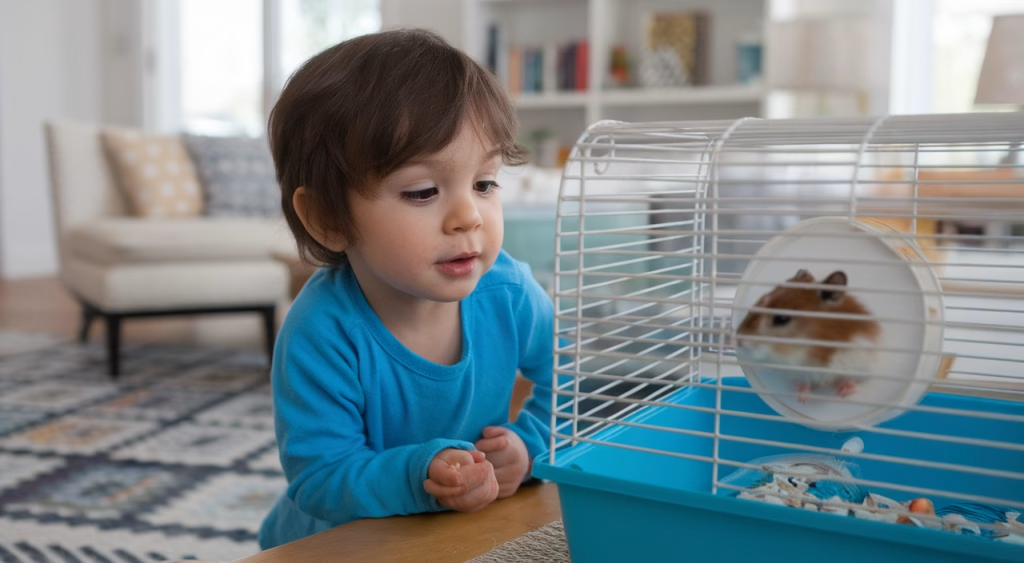
Are Hamsters Good Pets for Kids?
Short answer: Yes — for the right child and the right family. Hamsters as pets for kids can be rewarding, low-maintenance starter pets, but they also come with unique quirks, from midnight zoomies to solo-living preferences. Let’s explore whether your home is a good fit for one of these small, fluffy characters.
- Low maintenance: Hamsters require minimal daily care, making them manageable for busy families.
- Nocturnal animals: They’re most active at night, which means limited daytime interaction.
- Not cuddle buddies: Young kids expecting a cuddly pet might be disappointed.
- Educational: Hamsters help kids learn about responsibility, animal behavior, and pet care.
- Short lifespan: Averaging 2-3 years, these pets come with an emotional learning curve.
The Surprising World of Hamster Behavior
Understanding Hamster Quirks: Cheek Stuffing, Escapes & More
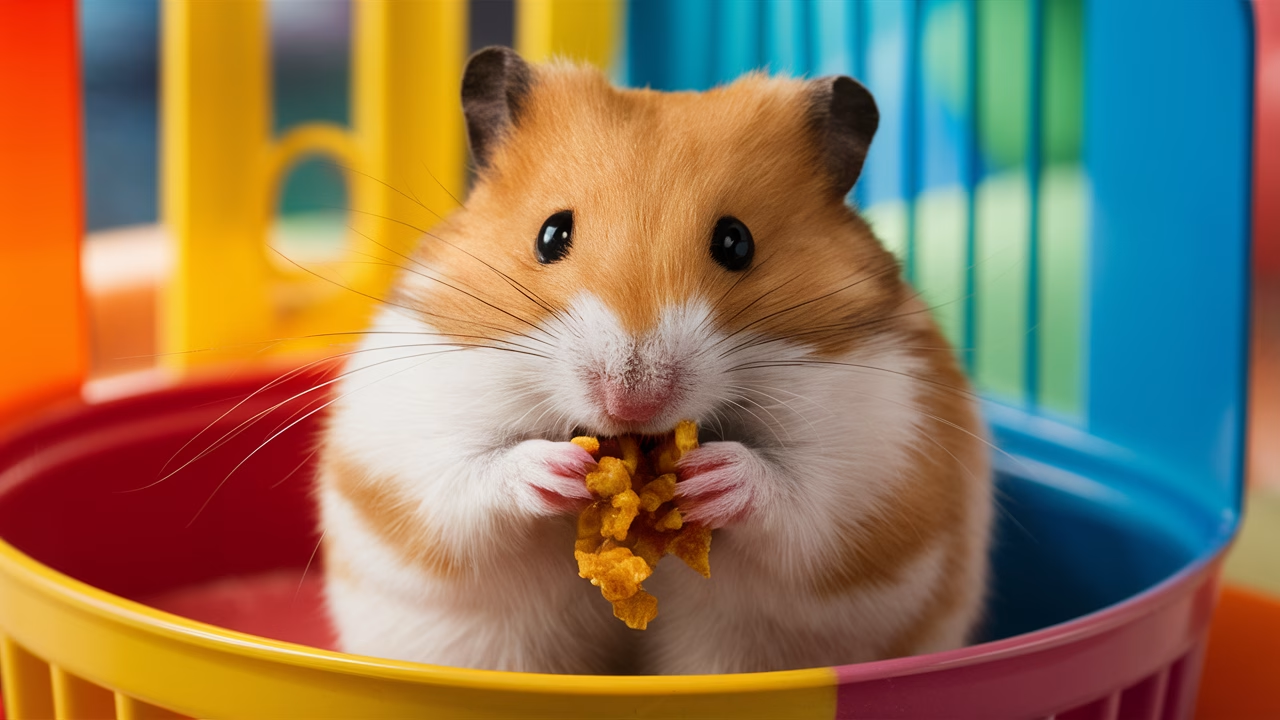
When it comes to hamster behavior, these tiny creatures are more than just fluff and whiskers. They’re food-hoarding geniuses with a flair for the dramatic. Did you know a hamster can stuff food weighing up to 20% of its own body weight into its cheeks? That’s like your child carrying a lunchbox, backpack, and gym bag—all in their mouth.
Their famous cheek stuffing abilities aren’t just delightful to watch—it’s survival instinct in action. Hamsters in the wild hoard food because availability fluctuates. In captivity, this translates to stuffing food pellets into their cheeks and stashing them behind furniture (if they escape) or cage corners (if they don’t).
Speaking of escape… ever heard the phrase “small but mighty”? Hamsters are escape artists of the highest order. If there’s a gap the size of their skull, trust me—they’re gone. One minute they’re in the cage, the next they’re behind your fridge. This is part of what makes understanding hamster behavior so important before bringing one home as a pet for your kids.
Need another fun nugget? Hamsters live by the ‘work hard, rave harder’ motto. Their nocturnal party lifestyle means they’ll spend the night running marathons on their squeaky wheel, redecorating their bedding, and grooming like they’re headed to prom—only to immediately roll in their own mess again.
Are Hamsters the Right Starter Pet for Your Child?
The Pros and Cons of Hamsters as Pets for Kids
| Pros | Cons |
|---|---|
| Low daily maintenance | Nocturnal—limited daytime interaction |
| Teaches responsibility | Short lifespan (2–3 years) |
| Affordable to feed | Not ideal for cuddling |
| No need for walks or outdoor time | Solitary—can’t live in groups |
| Entertaining to observe | Prone to escapes if not secured properly |
Let’s be honest—some kids expect pets to be furry friends who follow them around all day. Unfortunately for them, hamsters are more like tiny introverted roommates: active when you’re asleep and often asleep when you’re awake. But if the goal is to teach responsible pet ownership, hamsters as pets for kids do a stellar job. Unlike dogs or cats that need full-time feeding and care, most hamsters only require a few basics: food, water, a clean enclosure, and occasional gentle interaction.
How to Care for a Hamster as a Child’s Pet
Daily Routines and Long-Term Needs
Proper hamster care isn’t rocket science, but it does ask for consistency. Here’s what a regular hamster care routine looks like when you have hamsters as pets for kids:
- Daily: Refill food and water. Remove soiled bedding (spot clean).
- Weekly: Full cage clean and bedding replacement.
- Interaction: Gentle handling and out-of-cage exploration in a secure area, supervised by an adult until a child is confident.
It’s best for parents to set the example initially. Let your child observe how to hold their hamster correctly and safely. Hamsters don’t like being surprised or grabbed—and will bite if stressed or scared. Start with short handling sessions and build trust. Even though they don’t crave companion time like a dog, many hamsters do begin responding to gentle voices and familiar smells over time.
The key piece? Consistency. Kids thrive on routines, and a pet like a hamster helps reinforce that. When children manage feeding and spot cleaning, they learn structure, empathy, and follow-through—the fundamentals of responsible pet ownership.
Setting Up the Perfect Hamster Habitat
Creating a Safe and Engaging Environment
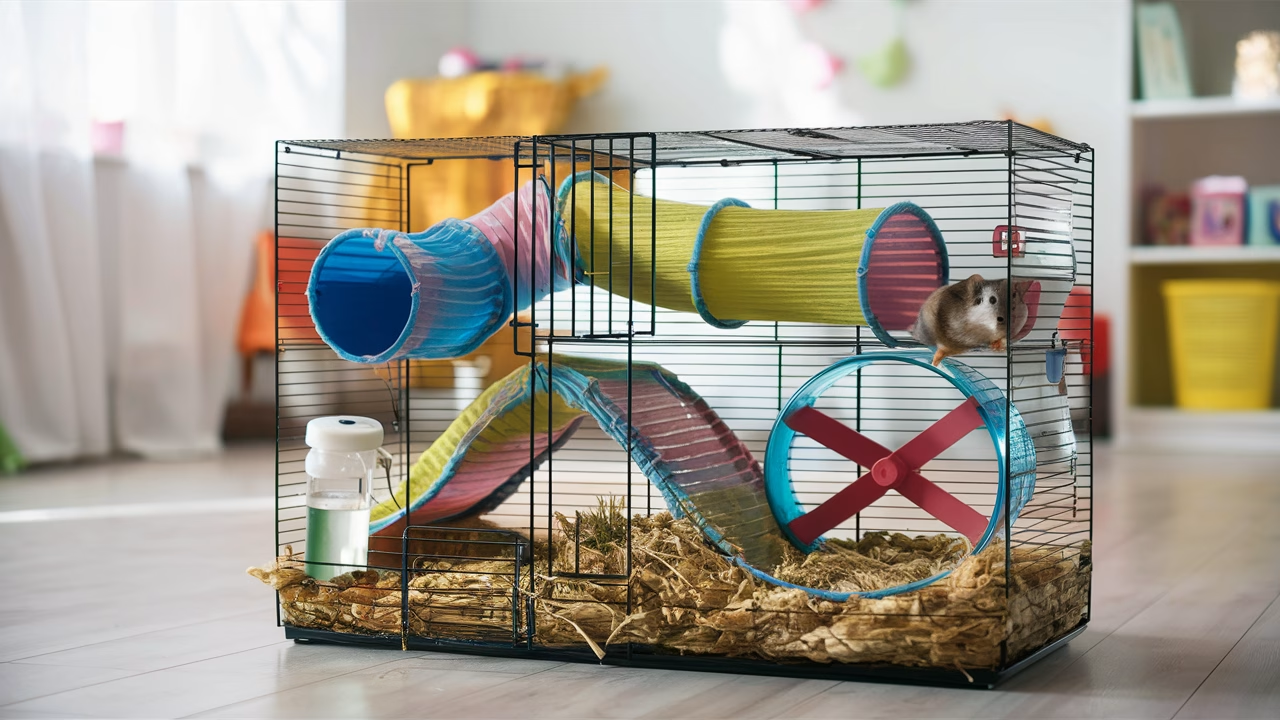
Never underestimate a hamster’s cage. A proper setup goes beyond just bedding and a wheel. Hamsters need mental stimulation, room to roam, and nesting opportunities.
- Size Matters: Go with a spacious cage—larger than 450 square inches of floor space if you can.
- Enrichment: Include tunnels, chew toys (they have ever-growing teeth), and hideouts.
- Bedding: Soft, absorbent, paper-based bedding allows burrowing.
- Safety First: No wire-bottom base; it can hurt their feet. Secure all gaps and use lids to prevent escapes.
Hamster homes can also double as science labs. Let your child observe how their hamster rearranges its environment, builds nests, or solves ‘puzzles’—like moving blocks to get to a treat. It’s pet parenting meets child education!
When It Might Not Be a Match
The Challenges of Hamster Ownership Most Parents Miss
While hamsters as pets for kids offer charming experiences, let’s not sugarcoat it. They aren’t ideal for all children. Younger kids, especially under 6, might not yet have the fine motor skills or patience to handle hamsters gently. Accidental drops or stress from mishandling can be traumatic—for both hamster and child.
Another concern? Hamster lifespan. Most live only 2 to 3 years. For adults, that’s manageable. But for a child, it can be an emotionally significant journey. Seeing a pet age and pass away helps build emotional resilience—but needs to be handled thoughtfully and compassionately.
Also, if you’re a light sleeper, the hamster’s wheel spinning at 2 a.m. might drive you up the wall. Their nocturnal behavior isn’t just a fun fact—it’s the real deal. Position their habitat away from bedrooms or invest in a silent spinner wheel to avoid midnight disruptions.
Final Verdict: Should Your Child Get a Hamster?
Making the Right Choice for Your Family
If you’re seeking an affordable, low-maintenance way to introduce your child to pet responsibilities, hamsters as pets for kids might be your perfect candidate. They’re independent, fascinating to observe, and usually require far less work than cats or dogs.
But they also ask for respect. Respect for their space, schedule, and solitary nature. If your child can understand those boundaries, the hamster-child bond can be surprisingly sweet and enriching. You’ll share lessons in biology, empathy, loss, growth, and even a few laughs at their antics.
So… is your child ready to parent a furry little scientist who hoards food, dances at midnight, and hits peak adorability at bedtime? You tell me.
Frequently Asked Questions
1. Can hamsters recognize their owners?
Yes! Hamsters can learn to recognize your voice and scent, and some may even come when called with consistent positive interaction.
2. Are hamsters good pets for busy families?
They are often an excellent choice! Hamsters require minimal daily maintenance and are content with short interactions and solitary play.
3. How old should a child be to care for a hamster?
Children aged 7+ with adult supervision can usually manage hamster care routines responsibly. Younger kids may struggle with gentle handling.
4. What cages are best for hamsters?
Look for spacious, secure enclosures with solid floors and plenty of hiding spaces. Horizontal space is more important than vertical exploration for hamsters.
5. How long do hamsters live?
On average, 2–3 years. While short, this period can offer meaningful lessons in life cycles, responsibility, and grief for children.
6. Can you keep more than one hamster together?
In most cases, no. Hamsters are highly territorial, especially Syrian hamsters, and should be housed individually to avoid aggression.
7. What’s the best time of day to interact with a hamster?
Evenings are ideal. Hamsters are nocturnal, so they’re just waking up around dusk—perfect for gentle handling or supervised play.