Do Male Seadragons Really Carry Eggs? Here’s Why and How
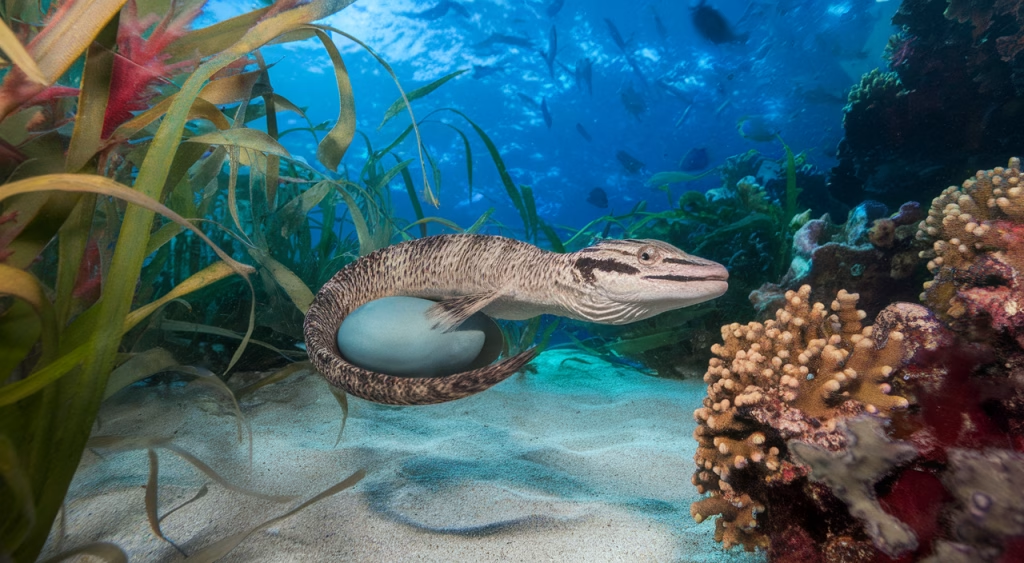
Yes, male seadragons actually do carry eggs—and not just carry, but diligently nurture them through extraordinary underwater paternal care. In a fascinating twist of nature’s design, it’s the males in seadragon species that take on the task of egg incubation. This rare role reversal offers an incredible glimpse into the diversity of seadragon parenting strategies seen in marine life today, making them some of the most unique sea creatures on our planet.
TL;DR: The Extraordinary Parenting Life of Male Seadragons
- Male Pregnancy Unique to Seadragons: Males receive fertilized seadragon eggs under their tails from the female, where the eggs attach and develop.
- Underwater Paternal Care: Male seadragons oxygenate and protect the eggs for up to six weeks.
- Parental Challenges: Males face predation, energy depletion, and environmental threats while incubating seadragon eggs.
- Critical to Marine Life Balance: Their seadragon parenting method ensures survival of their delicate and dwindling populations.
- Support Through Conservation: Marine conservation efforts and marine sanctuaries help safeguard these unique sea creatures from extinction.
The Unique Life of Male Seadragons
Male seadragons are often called the ballerinas of the sea, gliding gracefully through kelp forests and seagrass meadows thanks to their leafy appendages. There are two main species: the leafy seadragon (Phycodurus eques) and the weedy seadragon (Phyllopteryx taeniolatus), native to Australia’s southern coasts. But beyond their astonishing looks lies an even more captivating trait: male pregnancy and their remarkable underwater paternal care.
This phenomenon is extremely rare in the animal kingdom. Among vertebrates, it’s found only in the seadragon’s close relatives—seahorses and pipefish. The scientific term for this reproductive strategy is male brooding. Here’s how seadragon parenting works: the female transfers her eggs to the underside of the male’s tail, where they safely embed in a brood patch. The male’s body then supplies oxygen and nutrients to the developing embryos, maintaining them for several weeks before the babies hatch and drift away into the vast ocean.

The Role Reversal: Male Pregnancy in the Underwater World
When you think of pregnancy, you probably picture the mother bearing the young. But in the world of male seadragons, gender roles flip dramatically. During courtship, a carefully synchronized dance unfolds—literally. The male and female mirror each other’s movements in a ritual of acceptance and trust. This dance doesn’t just establish pair bonding—it helps the female align closely enough to transfer her seadragon eggs.
The seadragon eggs, about the size of small peas and vibrant red or orange, don’t just stick randomly to the male. Instead, they anchor into a specialized area under his tail. This brood patch becomes a lifeline. The male’s tail skin thickens and forms tiny capillaries that feed each developing seadragon oxygen. Consider it a living incubator, custom-designed by evolution for underwater survival.
It’s a strange and wonderful form of underwater paternal care—a giant leap from the absentee fathers of many marine species. And while it may sound effortless, this seadragon parenting is far from simple.
How Male Seadragons Care for Their Eggs
Once the seadragon eggs are transferred, the male begins a diligent care regimen. Over a three to six-week period, he protects them from injury, infection, and predators through dedicated underwater paternal care. Although he’s not producing milk or sheltering the young in a pouch like a kangaroo, what he does is arguably just as intense and demanding.
Each seadragon egg is held in place by the dermal structure of the tail’s brood patch. Through this patch, the embryo receives a continuous flow of oxygen. The male helps regulate this by adjusting his swimming patterns—which increases water circulation across the eggs. It’s like being a full-time HVAC system and security guard all at once during this crucial seadragon parenting phase.
As the seadragon eggs mature, their color changes, often becoming more translucent. When they’re ready to hatch, the male gently expels them into the open water, usually at night. There’s no postnatal care here—as in many marine species—but by the time the babies launch into life, they’re already miniature, self-reliant versions of their parents.
The Challenges of Parenthood in the Ocean
Being a dad in the sea isn’t easy, especially for male seadragons. Especially not when you’re sporting dozens of fragile seadragon eggs under your tail. Male seadragons, while mesmerizing, are not equipped with strong defenses. Their leafy fins are camouflage, not armor. This makes them especially vulnerable during the brooding phase of seadragon parenting.
Swimming with tact becomes even more crucial during underwater paternal care. Erratic movement or brushing against coral can damage the seadragon eggs or dislodge them. Plus, carrying the extra load affects the male’s buoyancy and stamina. Imagine running a marathon with a delicate basket of glass ornaments—it’s one false move away from disaster.
And let’s not forget the environmental challenges facing these unique sea creatures. Pollution, climate change, and habitat degradation affect their breeding grounds. Warmer waters can alter breeding cycles. Loss of kelp forests due to coastal development removes essential shelter for both the parents and their delicate offspring.
Conservation Efforts for Seadragons
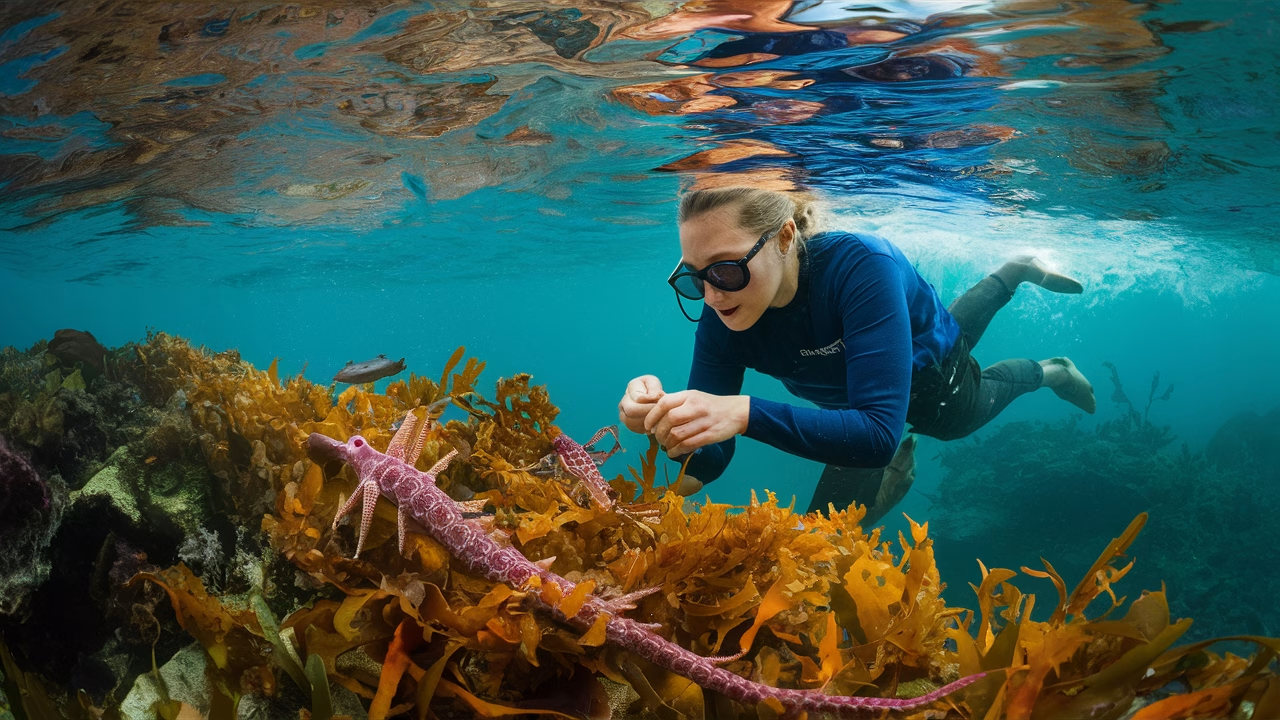
The uniqueness of male seadragon parenting isn’t just a biological curiosity—it’s a conservation priority. These unique sea creatures face real threats from overfishing, habitat destruction, and changes in ocean temperature. Luckily, multiple marine conservation efforts are now laser-focused on protecting these enigmatic fish and their underwater paternal care behaviors.
Conservationists are ramping up habitat restoration in areas like Australia’s southern coastlines, establishing marine protected zones, and improving public awareness around marine biodiversity. Research groups are also developing breeding programs to maintain population health in captivity before reintroducing specimens into the wild. These marine conservation efforts are vital not only for preserving male seadragons but for maintaining balanced marine ecosystems.
Here’s what often happens: people see a seadragon at an aquarium and assume conservation is going well. But wild populations remain sensitive. Our curiosity must be matched by action—because without focused marine conservation efforts, these quiet fathers of the ocean could fade into memory.
| Threat | Impact on Male Seadragons | Conservation Response |
|---|---|---|
| Habitat Loss | Reduces seadragon egg incubation zones | Marine sanctuaries created |
| Climate Change | Disrupts seadragon parenting cycles | Ocean monitoring and adaptive research |
| Pollution | Affects seadragon egg viability | Stricter regulations and clean-up programs |
Final Thoughts: A Celebration of Nature’s Underrated Dads
So, are male seadragons a case of nature turning the script upside down? Absolutely—and in the most remarkable way. Their tender underwater paternal care for developing seadragon eggs, their aesthetic blend of strength and vulnerability, and their reliance on a healthy marine environment position them as both symbols and sentinels of ocean health.
If you ever find yourself peering into the waters off Australia’s southern shores, think about the incredible role these male seadragons play beneath the surface. It’s more than seadragon parenting—it’s a dedication to life, survival, and beauty unlike any other among unique sea creatures.
Frequently Asked Questions
- Do male sea dragons carry eggs?
Yes, male seadragons carry and nurture seadragon eggs under their tails in a specialized brood patch through underwater paternal care. - How long do seadragon eggs stay with the male?
Seadragon eggs typically remain attached for 4 to 6 weeks during the male’s underwater paternal care period before hatching. - Why do male seadragons carry the eggs instead of females?
It’s an evolved reproductive strategy to increase offspring survival via specialized male brooding structures for optimal seadragon parenting. - Are baby seadragons cared for after hatching?
No. Once seadragon eggs hatch, they are self-sufficient and receive no further parental care from male seadragons. - What threats do seadragons face today?
These unique sea creatures face habitat loss, pollution, rising ocean temperatures, and illegal collection, prompting marine conservation efforts. - Can I see seadragons in the wild?
Yes, you can observe male seadragons in marine reserves along the southern and eastern coasts of Australia. - How can I help conserve seadragons?
Support marine conservation efforts, avoid disturbing marine habitats, and spread awareness about these unique sea creatures.