
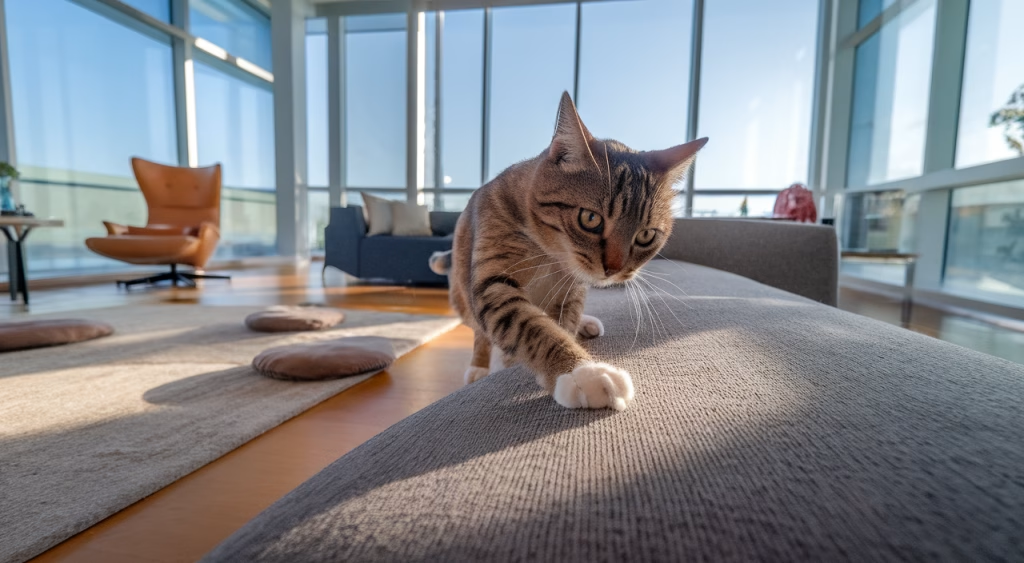
Why does my cat keep destroying my furniture?
Because your cat isn’t being “bad”—they’re just being a cat. Cat scratching behavior isn’t mischief; it’s pure instinct. Cats scratch to mark their territory, stretch muscles, express emotions, and care for their claws. If your couch has become a target, your feline friend likely needs better alternatives—like the best scratching post for cats—and more stimulating ways to express their natural behavior.
- Instinct-driven. Scratching is part of natural feline behavior linked to territory marking and claw health.
- Not a personal attack. Furniture destruction is not revenge—it’s biology.
- Redirection works better than punishment. Scratching posts, deterrents, and enrichment stop damage while respecting your cat’s psychology.
- Declawing isn’t the answer. Humane alternatives like nail trimming and nail caps protect both your cat and your couch.
- Enrichment reduces destructive behavior. Bored cats scratch more. A mentally engaged cat is less destructive.
The Surprising Science Behind Cat Scratching Behavior
Your cat isn’t scratching the couch to spite you—they’re simply following their instincts. Understanding cat scratching behavior reveals a complex system driven by several key factors:
- Claw Maintenance: Cat claws grow continuously and need shedding to stay sharp and healthy.
- Territory Marking: Cats have scent glands in their paws. Every scratch leaves behind both visual and invisible scent markers that communicate ownership.
- Emotional Expression: Excitement, anxiety, or boredom can intensify scratching episodes.
- Stretching: Scratching provides a full-body stretch, especially important after long naps.
In short, scratching is part of your cat’s daily communication system. Understanding this transforms your approach—from frustration to fascination with feline psychology.
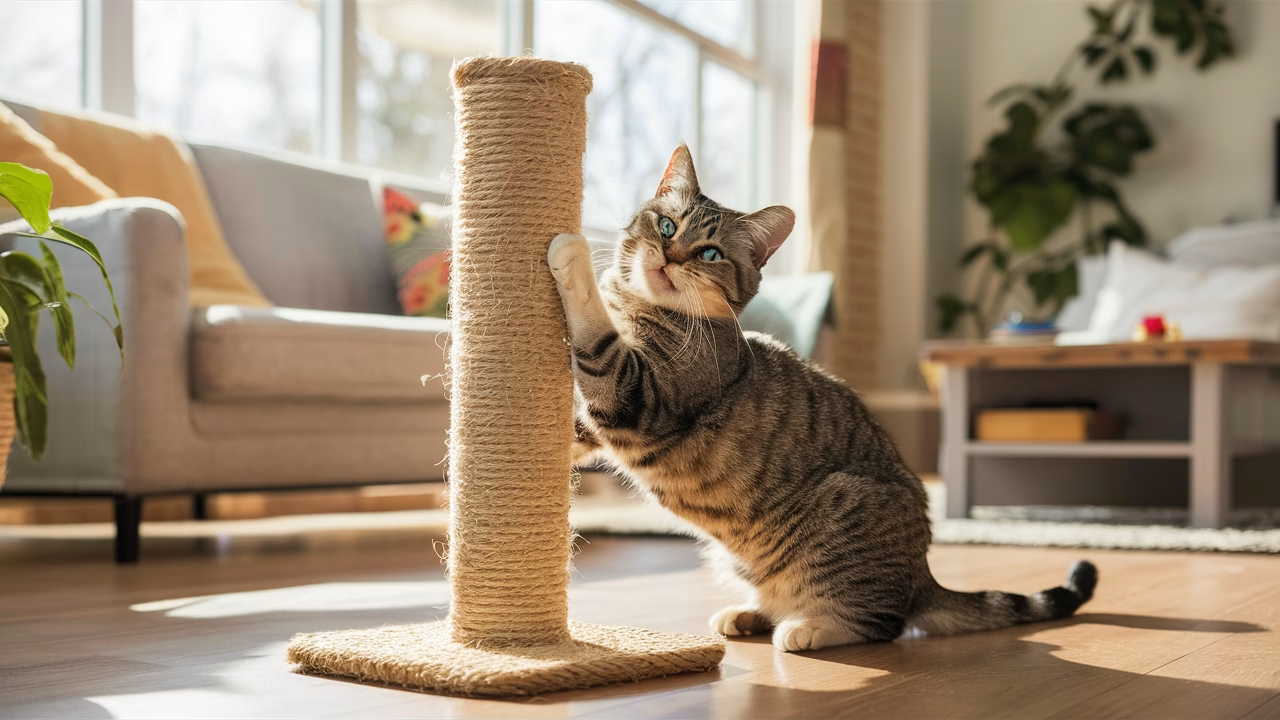
How to Redirect Cat Scratching Behavior Effectively
Learning how to redirect cat scratching behavior successfully means outsmarting your cat—not overpowering them. Here’s your strategic approach:
| Challenge | Solution |
|---|---|
| Couch scratching | Place a high-quality scratching post directly in front of the scratched area |
| Quick loss of interest | Sprinkle with catnip or silvervine to boost attraction |
| Persistent scratching on forbidden surfaces | Use double-sided sticky tape or foil as a deterrent |
| Nighttime chaos | Move scratching outlet near your cat’s sleeping area |
Location matters when preventing furniture destruction by cats: Post placement should be near sleep zones, doorways (territory hot spots), and next to frequently scratched furniture. The trick is creating a “scratching competition”—your replacement needs to feel better than the couch.
Choosing the Best Scratching Post for Your Cat
Not all scratching posts are created equal. Think of them like bedsheets: some cats prefer silk, others flannel. The key is understanding your cat’s scratching style to find the best scratching post for cats:
- Vertical scratchers: For the climbers. These cats like to reach up high and stretch fully.
- Horizontal scratchers: For the loungers. Ideal for cats who prefer to sprawl and scratch low to the ground.
- Angled scratchers: Great for flexibility—and finicky cats who want options.
Materials make a difference in cat scratching behavior too:
- Sisal rope: Durable, perfect for shredding sound and texture lovers.
- Cardboard: Easily replaced, affordable, and satisfying to tear up.
- Carpet-covered: Watch for confusion; it can resemble household rugs.
- Wood or cedar: Aromatic and sturdy—a favorite for natural-feel enthusiasts.
You may need to experiment with a “scratching post buffet” before landing on your cat’s preferred type, texture, and angle.
Environmental Enrichment: A Cure for Boredom-Based Scratching
Let’s be honest: a bored cat will find “entertainment” on your sofa. Environmental enrichment is crucial for preventing furniture destruction by cats:
- Interactive toys: Toys that mimic prey (like feather wands or tunnel systems) simulate hunting instincts.
- Climbing trees: Multiple levels let cats observe, explore, and burn mental energy.
- Window perches: Offer a live ‘cat TV’ view of birds, bugs, and outdoor activity.
- Puzzle feeders: Turn mealtime into a mental workout that satisfies their hunting drive.
When cats are mentally stimulated and physically exercised, they’re significantly less likely to turn your loveseat into their personal jungle gym.
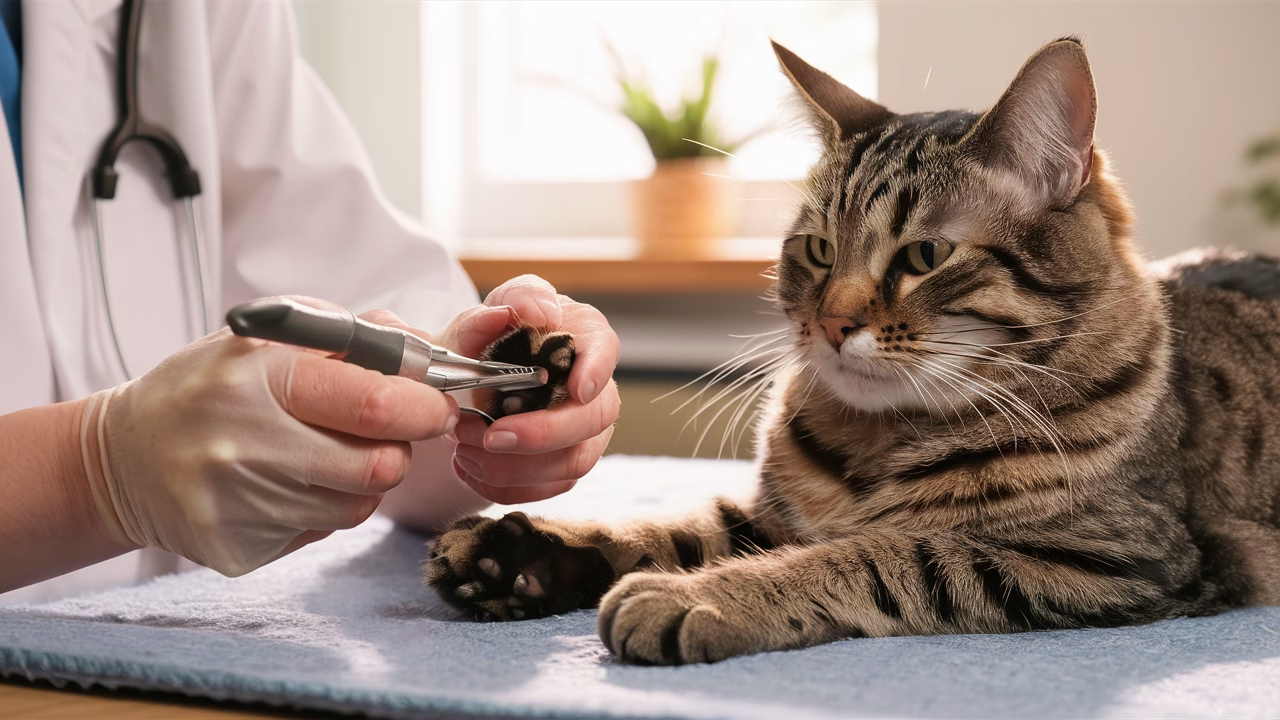
Nail Trimming Tips for Cats & Safe Alternatives to Declawing
Let’s talk about nail trimming for cats. Your cat’s claws grow like fingernails, extending up to half an inch. If left unmanaged, they become sharp tools of upholstery destruction.
Here are essential nail trimming tips for cats:
- Start slow: Get your cat used to paw handling during cuddle time. Don’t jump into trimming immediately.
- Use proper clippers: Only trim the tip—avoid the pink quick to prevent pain and bleeding.
- Positive reinforcement: Treats, praise, and play after successful trimming sessions work wonders.
- Consistency: Every 2–3 weeks keeps claws short and manageable.
Still struggling with nail trimming? Consider nail caps. These soft vinyl sleeves slide over clipped claws. They stay on for 4–6 weeks, allowing your cat to scratch without causing damage—like kitten-safe press-on nails that actually work.
Comparing Your Options: How to Prevent Furniture Destruction by Cats
| Method | Effectiveness | Ease of Use | Lasts How Long? |
|---|---|---|---|
| Scratching Post | High | Easy | Months to years |
| Double-Sided Tape | Moderate | Easy | Days to weeks |
| Catnip/Silvervine | High (short-term) | Very Easy | Hours |
| Nail Trimming | High | Medium | 2–3 weeks |
| Nail Caps | Very High | Medium | 4–6 weeks |
| Environmental Enrichment | Very High | Varied | Ongoing |
FAQs About Cat Scratching Behavior
Why do cats scratch furniture even when they have a scratching post?
It often comes down to preference, placement, or texture. Your cat may not love the material or spot you chose. Move the post right next to the scratched area and experiment with different textures and sizes until you find the best scratching post for cats.
Can I train my cat not to scratch at all?
No—and honestly, you shouldn’t try. Cat scratching behavior is essential to feline health and communication. But you can successfully redirect them to scratch appropriate items instead of your furniture.
Is declawing ever safe or humane?
Declawing is widely considered inhumane by veterinary professionals. It’s not just nail removal—it involves amputating part of the toe. Safer, humane alternatives like nail caps or regular nail trimming are highly recommended.
Do nail caps hurt cats or restrict their movement?
When properly applied, nail caps don’t hurt or interfere with normal movement. Most cats adjust within a few days. They just need occasional replacements as their claws grow naturally.
How long does it take to redirect scratching behavior?
Anywhere from days to a few weeks, depending on your cat’s personality. Each cat is different, and consistency with positive reinforcement greatly increases your success rate.
Are certain cat breeds more prone to furniture scratching?
Active and intelligent breeds (like Bengals or Siamese) may exhibit more intense cat scratching behavior due to higher stimulation needs. Environmental enrichment strategies are especially important for these energetic breeds.
What if I have more than one cat? Do they need separate posts?
Yes, absolutely. Cats mark territory through scratching. Multiple cats should have individual scratching areas to reduce tension and prevent territorial disputes over scratching spots.