How can I crate train my puppy without the tears?
By understanding your puppy’s natural instincts—specifically their wolf ancestry—you can create a comfortable, den-like environment that helps them adjust to the crate calmly and positively. Using timing, proper crate setup, positive associations, and animal behavior knowledge, you’ll eliminate the scratching, crying, and late-night whining episodes that usually come with puppy crate training.
TL;DR:
- Tap into den instincts: Puppies instinctively seek enclosed spaces. Use a well-sized crate to create a safe den.
- Size matters: Choose a crate large enough to stand, turn, and lie down—no more, no less.
- Temperature regulates calm: Place the crate away from drafts, sunlight, or heaters.
- Feed in the crate: Associate crate time with mealtime to create trust and comfort.
- Exercise is key: A tired pup is more likely to rest quietly.
- Handle nighttime smartly: Keep the crate nearby to respect pack instincts and gradually introduce independence.
- Avoid punishment: Never use the crate for discipline, or you’ll undo all progress.
Understanding Puppy Behavior for Crate Training Success
Wolf DNA: Your Secret Weapon
Your puppy is hardwired by evolution. Wild wolves frequently seek out small, cave-like dens for shelter, rest, and safety. These behavioral blueprints didn’t disappear when we brought dogs indoors. Puppy crate training works because it aligns with your dog’s natural den-centered instincts—it’s not punishment, it’s protection. Knowing this, we can train our puppies with empathy and strategy, not force.
Impulse Control: Zero at First
Puppies are like baby wolves with the attention span and urgency of toddlers after a candy binge. They’re loud, they test boundaries, and they crave safety. Expecting instant crate success is unrealistic. Instead, slow, structured exposure helps teach them that their crate is their calm zone, not confinement. This approach makes crate training your puppy far more effective.
Choosing the Right Crate Size
Size isn’t just about comfort—it’s psychological. A crate that’s too large sends mixed signals. Picture this: your pup turns the back half into a potty pad and the front into a living area. Too small, and your puppy will panic. The right crate gives your dog a sense of ownership without isolation, making puppy crate training smoother.
| Dog Size | Crate Dimensions | Comments |
|---|---|---|
| Toy Breeds | 18-22 inches | Ideal for Chihuahuas, Yorkies |
| Small Breeds | 24 inches | Good for Pomeranians, Shih Tzus |
| Medium Breeds | 30–36 inches | Cocker Spaniels, Bulldogs |
| Large Breeds | 42–48 inches | Labs, Goldens, Shepherds |
Implementing Feeding Strategies for Positive Associations
Why Meals in the Crate Work
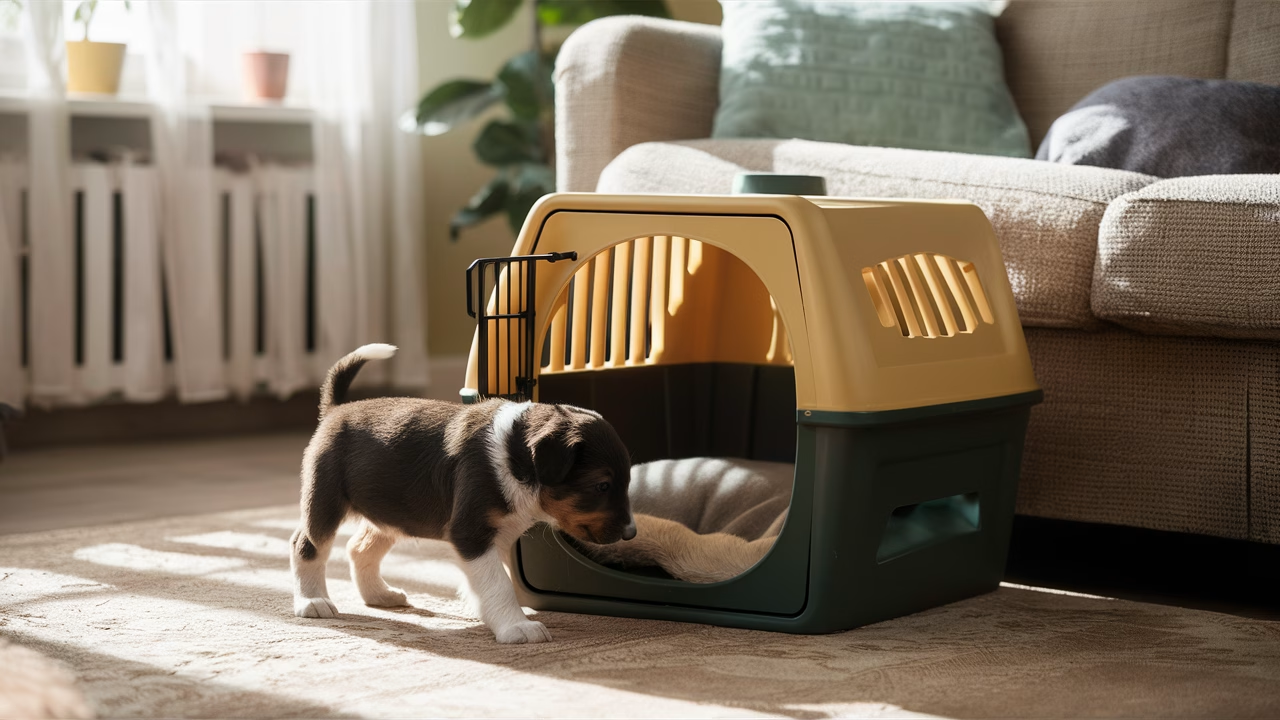
Here’s a wild animal fact: in the great outdoors, canines find safe spots to eat so they’re not ambushed. We can replicate that by feeding every meal inside the crate. Leave the door open at first. Let your puppy walk in and discover the food naturally. Before long, the crate turns into a VIP lounge where treats and chow await daily. It’s comfort plus positive reinforcement for successful puppy crate training.
No Force, Just Familiarity
Don’t close the crate door in early sessions. Build familiarity first. This removes fear from the equation. Over a few days, start gently closing the door halfway through the meal but open it before they finish. Layer in these habits until the crate feels less like confinement, and more like peace—the foundation of effective crate training your puppy.
Timing and Exercise for Calm Crate Sessions
Imagine trying to settle a hyper toddler into a nap. Not easy, right? Puppies need to be exercised before crate time—not endlessly, just enough for a mental and physical cooldown that makes puppy crate training successful.
The 20-Minute Magic Window
Engage your pup for 15–20 minutes. Fetch, tug-of-war, or a short walk. Follow this with a bathroom break and then crate rest. If you hit this rhythm, the crate won’t be seen as a trap, but as a well-earned nap. This timing strategy is crucial when you’re learning how to crate train your puppy effectively.
Warning: Overtired Puppies Can Melt Down
Too much stimulation can backfire. You’ll spot the signs: zoomies, biting, ignoring cues. At that point, settle things down before crate time with gentle rubs and soft voice play.
Dealing with Crying and Nighttime Strategies
The Night Cry: Driven by Nature
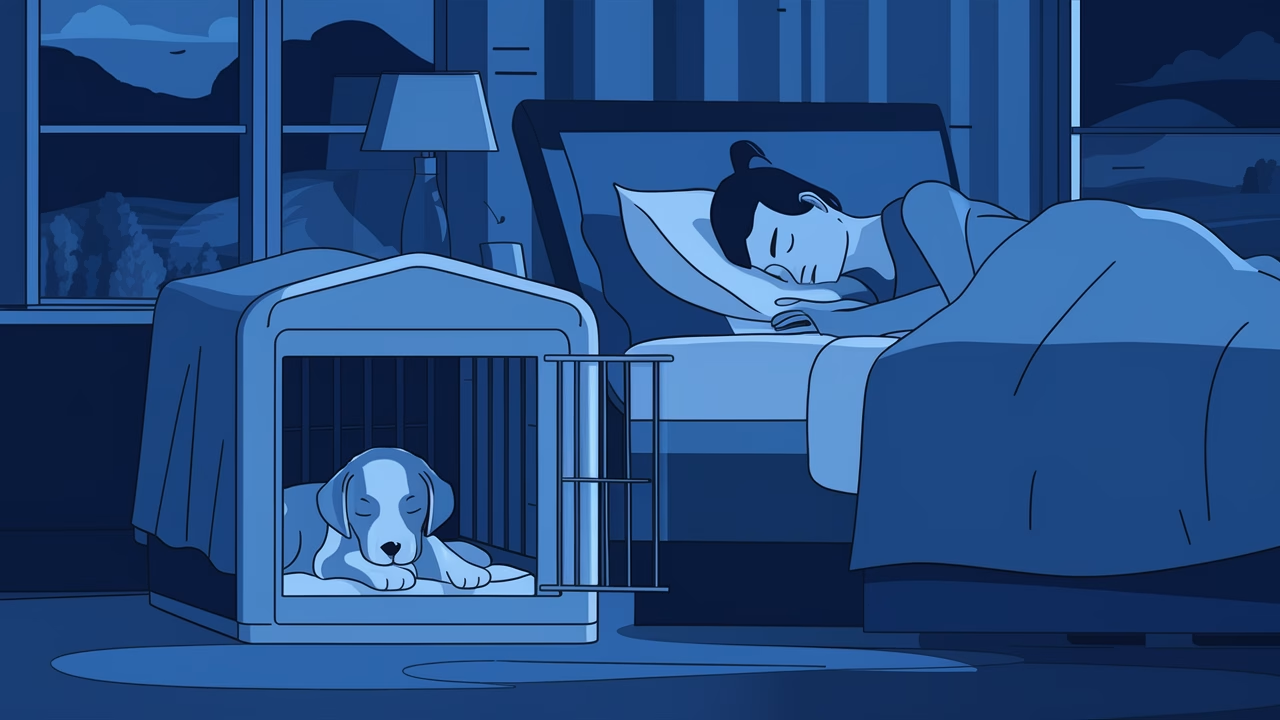
Crying at 3am isn’t defiance—it’s vulnerability. In the wild, pups cry so parents come back. If you respond by removing your puppy, you’re reinforcing the behavior. Instead, replicate pack proximity. Keep their crate near your bed at first. Breathe normally, stay calm, and let them pick up on your relaxed energy. This approach transforms nighttime puppy crate training challenges into manageable steps.
Gradual Separation, Not Cold Turkey
Start with 5–10 minutes of crate time while you stay in the room—ignore crying. Then gradually leave the room for short intervals. This mimics how adult dogs prepare pups for short independence. It’s not harsh—just consistent, and essential for long-term crate training your puppy success.
Avoiding Common Mistakes in Crate Training
Don’t Use Crates for Punishment
If you yell, isolate, or “jail” a pup in the crate, you ruin its association with safety. Crates are for naps, meals, and personal space—not discipline. Redirect bad behavior outside the crate. Never let it become ‘the bad place’ if you want successful puppy crate training.
Cover the Crate for Den Vibes
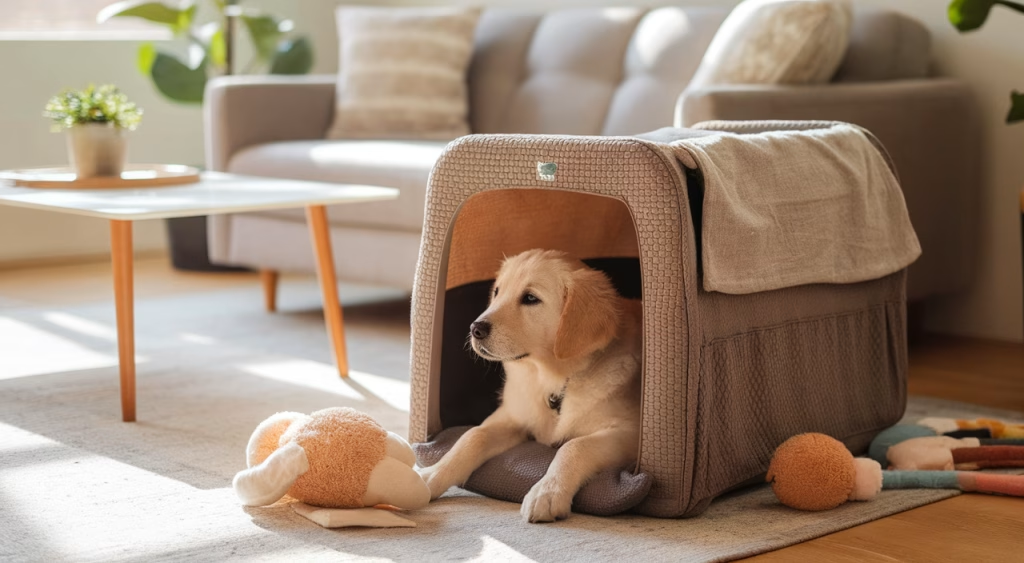
Throwing a blanket over a wire crate can mimic the dark, enclosed spaces dogs naturally seek. This signals rest time to your puppy’s brain. Just make sure airflow isn’t blocked. Observation equals stimulation. Darkness equals rest—a key principle in how to crate train your puppy effectively.
Patience Equals Progress
Some pups need three days. Some take three weeks. Small breeds may resist longer. High-energy dogs may fight confinement. Stick with the process. When done right, crates become lifetime sanctuaries for your pup, making all your puppy crate training efforts worthwhile.
Crate Training Comparison Chart
| Method | Ease of Training | Stress Level (Pup) | Results Timeline |
|---|---|---|---|
| Wolf-Instinct Crate Training | Moderate to Easy | Low | 3–14 days |
| “Sink or Swim” Crating | Hard | High | Unpredictable |
| Reward-Only Method | Easy | Low | 1–3 weeks |
Frequently Asked Questions
- How long should a puppy stay in the crate?
Start small—5 to 15 minutes and gradually increase over days. Never exceed their potty capacity. - What if my puppy cries every time?
Don’t give in. Use the proximity technique and slowly increase independence. - Should I cover the crate completely?
Yes—but with breathable material. It promotes calm but must allow air circulation. - Can I crate my puppy during the workday?
Only with breaks. Either come home at lunch or hire reassurance visits. Puppies under 4 months shouldn’t be crated longer than 2–3 hours. - What if my puppy soils the crate?
Check crate size. It may be too large or they weren’t pottyed before. Reset and monitor intervals.