
Are Rabbits Good Pets for Children?
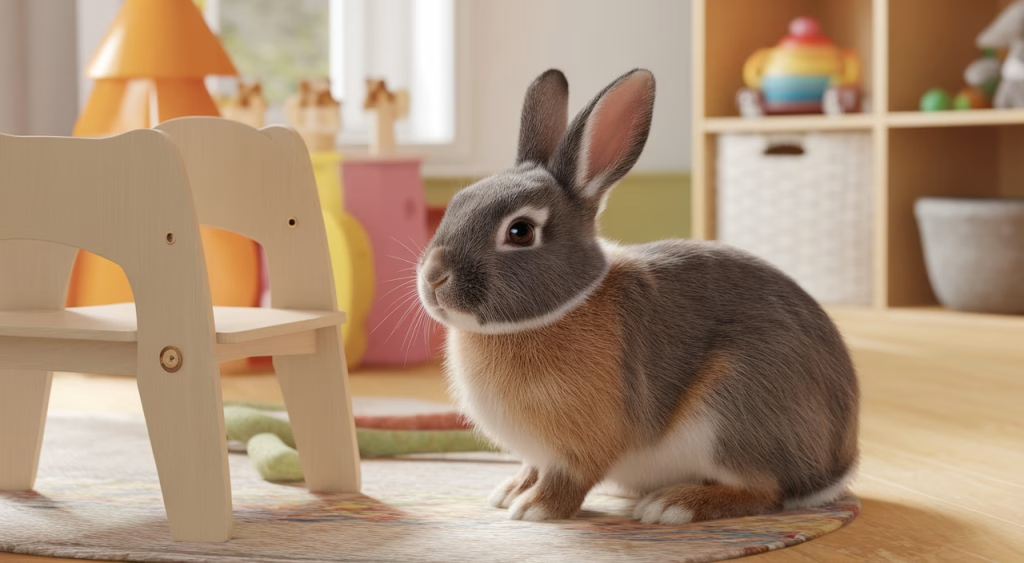
Not always. While rabbits are loving, gentle creatures, they require delicate handling, quiet environments, and consistent daily care — making them challenging pets for most young children to manage independently.
- Rabbits are prey animals prone to stress from sudden movements and loud noises.
- They need careful, gentle handling to avoid injury and build trust.
- Daily care is essential — including feeding, cleaning, and exercise routines.
- Children can help with supervision, but adult responsibility is crucial for rabbit well-being.
Below, we’ll explore the realities of rabbit care, signs of stress in rabbits, and proven techniques for teaching your child to interact safely with these delicate pets.
Why Rabbits Aren’t Always a Perfect Match for Young Children
There’s no denying it — rabbits look like the perfect pet for children. Soft, quiet, and undeniably adorable. But before you rush out with your child to adopt one, let’s examine what rabbits truly need to thrive.
Unlike dogs who eagerly seek affection, rabbits are prey animals with strong survival instincts. Their natural response to fast movements, loud sounds, or sudden handling is to flee or hide — exactly what excited children often trigger. For rabbits, safety and predictability are everything. Without a consistent, secure environment, they can become chronically stressed and withdrawn.
Here’s a common scenario: A curious child reaches to pick up the rabbit. The bunny runs. The child chases. This chase creates panic in the rabbit. The rabbit hides under furniture. The child feels rejected and frustrated. This cycle repeats, potentially damaging the bond between child and pet while compromising the rabbit’s well-being.
That’s why understanding rabbit behavior and implementing proper handling techniques from day one is crucial for families considering these gentle pets.
How to Gently Handle a Rabbit for Kids
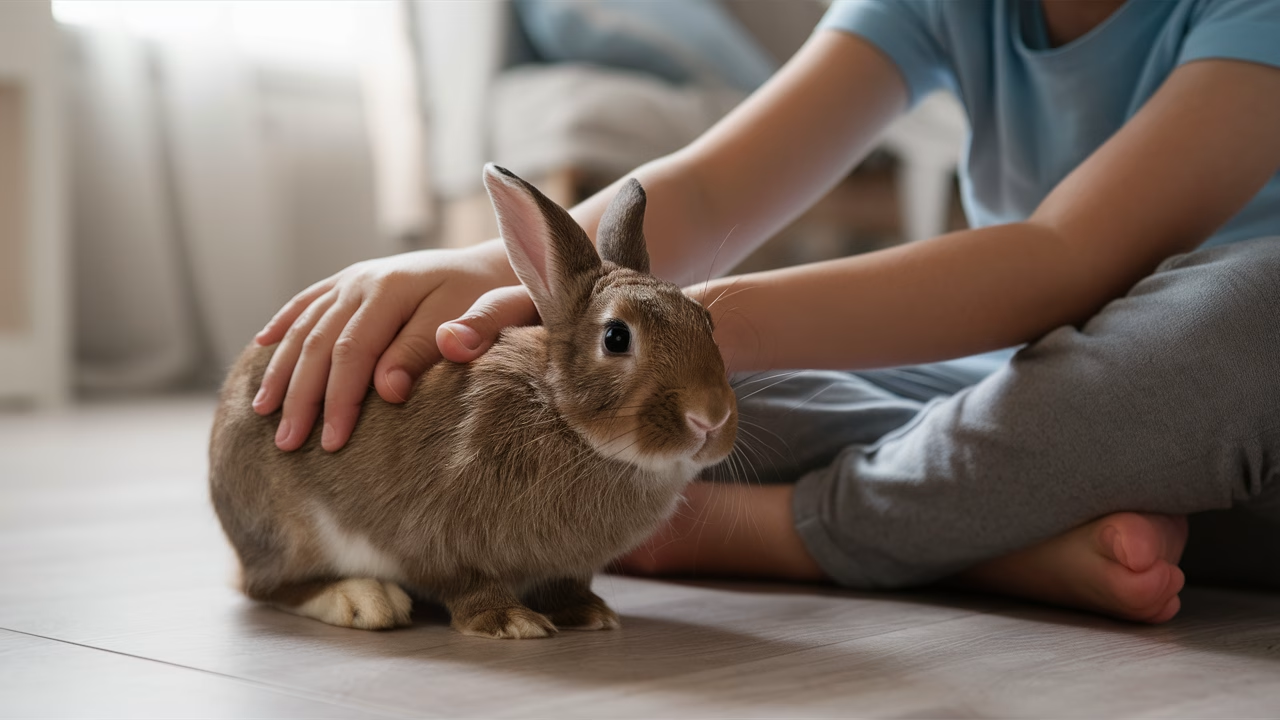
Gentle handling is one of the most critical aspects of rabbit care, yet it’s often misunderstood by new pet owners. Many people assume that because rabbits look cuddly, they enjoy being picked up and held. In reality, most rabbits find being lifted off the ground terrifying — it triggers their prey instincts and makes them feel vulnerable.
Teaching children proper rabbit handling techniques can make the difference between a stressed, fearful pet and a trusting, bonded companion. Here’s our step-by-step guide for safe interactions:
| Step | What to Do | Why It Matters |
|---|---|---|
| 1. Sit at rabbit’s level | Have your child sit calmly on the floor, hands resting in lap | Rabbits feel less threatened when no one looms overhead |
| 2. Let the rabbit approach | Encourage stillness; allow the bunny to sniff and investigate first | Builds trust through voluntary interaction and rabbit choice |
| 3. Gently pet, don’t grab | Stroke the top of the head or back slowly; avoid belly, feet, and hindquarters | Respects the rabbit’s sensitive areas and comfort zones |
| 4. Support entire body when lifting | Always support hindquarters firmly; cradle gently against your chest | Prevents serious injury to spine, legs, or ribs |
| 5. Keep sessions short | Watch for stress signs; stop immediately if the rabbit retreats | Quality interactions prevent stress buildup and fear development |
Signs of Stress in Rabbits and How to Address Them
Recognizing stress signs in rabbits is essential for maintaining their health and well-being. Unlike dogs or cats that vocalize their discomfort, rabbits communicate stress through subtle behavioral changes that are easy to miss if you don’t know what to look for.
- Hiding excessively or refusing to come out for meals
- Teeth grinding (different from the soft purring sound of contentment)
- Loss of appetite or refusing favorite treats
- Lethargy or sudden displays of aggression
- Repetitive foot thumping when no obvious threat is present
- Changes in litter habits or refusing to use designated areas
If your rabbit displays any of these stress indicators, it’s time to evaluate their environment and recent interactions. Is the household too chaotic? Has your child been trying to handle the rabbit when it clearly isn’t comfortable? The solution often involves re-establishing trust, providing more secure hiding spaces, or adjusting the daily routine to reduce stressors.
Remember, learning to read your rabbit’s body language is like mastering a new form of communication — one where subtle cues speak volumes about their comfort and happiness.
Daily Care Routine for Pet Rabbits
Beyond the appeal of soft fur and gentle nature lies the reality of comprehensive rabbit care. These animals require detailed daily attention that might surprise families new to rabbit ownership. Before committing, ask yourself: Is your family truly prepared for this level of consistent responsibility?
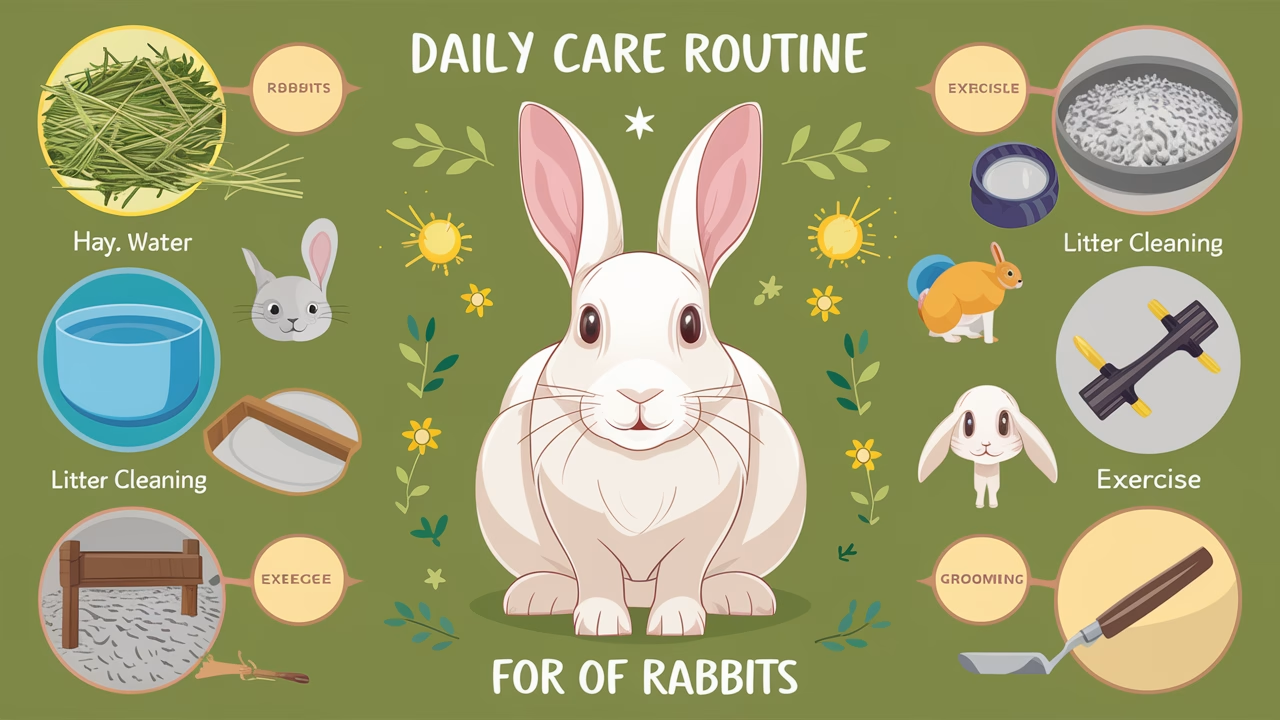
Here’s what proper rabbit care involves every single day:
| Care Task | Details |
|---|---|
| Feeding | Unlimited timothy hay, measured pellets based on weight, fresh leafy greens |
| Fresh Water | Clean, fresh water daily in heavy ceramic bowls (preferred over bottles) |
| Litter Cleaning | Daily spot cleaning; complete litter change 2-3 times weekly |
| Exercise Time | Minimum 4 hours of supervised free-roam or large pen time daily |
| Grooming | Regular brushing, especially during shedding seasons and for long-haired breeds |
| Health Monitoring | Daily checks for changes in eating, elimination, or behavior patterns |
Can children participate in this daily care routine? Absolutely — they can help measure pellets, prepare fresh vegetables, or assist with grooming under supervision. However, consistency is non-negotiable for rabbit health, which means adults must oversee and complete all care tasks to ensure nothing is overlooked.
Teaching Children Responsibility Through Rabbit Care
Every parent wants to nurture responsibility in their children — and pet care can be an invaluable teaching tool. However, the key principle is this: the pet should never suffer during the child’s learning process.
Rabbits thrive on predictable routines — skipping feeding times or inconsistent care can lead to serious digestive issues and behavioral problems. This is why toddlers and preschoolers, despite their enthusiasm and love for animals, may not yet have the developmental consistency that rabbits require for optimal well-being.
We recommend having children participate as helpers in rabbit care rather than primary caregivers. Start by having them observe your care routine. Then gradually involve them in supervised tasks: measuring food portions, preparing vegetable portions, or gentle brushing sessions. As they mature and demonstrate consistency, they can gradually take on increased responsibility while maintaining adult oversight.
Comparison: Rabbits vs. Other Family-Friendly Pets
| Pet Type | Best For | Handling Tolerance | Routine Needs | Supervision for Kids |
|---|---|---|---|---|
| Rabbit | Quiet, older children | Low | High | Essential |
| Dog | Active, playful kids | High (most breeds) | High | Recommended |
| Guinea Pig | School-aged children | Moderate | Moderate | Helpful |
| Hamster | Older kids with patience | Low | Moderate | Needed (especially at night) |
Conclusion: Matching the Pet to the Family
Here’s the essential truth: rabbits can become wonderful family companions when placed in the right environment — one that honors their unique nature, respects their pace, and acknowledges their vulnerability as prey animals. For families with older children who understand gentle handling, patient bonding, and the commitment to daily care routines, a rabbit can be a deeply rewarding addition to the household.
However, for families with very young children, waiting until kids are developmentally ready is often the wisest choice. There are many other pets better suited to the energetic, unpredictable nature of toddlers and preschoolers. Choosing to wait demonstrates genuine care for both the potential pet’s welfare and your child’s readiness to be a responsible caregiver.
When that right time does arrive, witnessing the gentle bond that develops between a child and rabbit — built on mutual respect, patience, and understanding — makes the wait absolutely worthwhile.
African Grey Parrots Understand Zero: Breakthrough in Avian Intelligence Research
FAQs
- Can a 5-year-old take care of a rabbit?
A 5-year-old can participate in rabbit care with adult supervision, but is not developmentally ready to manage a rabbit’s full-time needs. The adult must be the primary caregiver. - Do rabbits like to be held by kids?
Most rabbits prefer not to be held, especially by small children who may struggle with proper support. Sitting beside the rabbit and gently petting is usually best. - What’s the best age for a child to care for a rabbit?
Children aged 10 and above, with parental support, are better equipped to understand rabbit behavior and routines. - Are rabbits more like cats or dogs?
Rabbits share some traits with both — they’re quiet like cats, but have completely different handling needs. They require more observation and less assertive play than either. - What should I tell my child if we decide not to adopt a rabbit?
Explain that all animals deserve care suited to their needs. Choosing the right time to adopt a rabbit shows compassion — and keeps the door open for a happy future match.