Are Turtles Good Pets? The Answer Might Surprise You
Turtles can absolutely be good pets—but only if you truly understand what you’re signing up for. While they might look calm, slow, and low-maintenance, the reality of turtle care is far more complicated. These ancient creatures aren’t just tank ornaments; they’re intelligent animals with long lifespans, high needs, and very specific care requirements. If you’re thinking about getting one, buckle in—we’re going beneath the shell to reveal everything you need to know.
- Yes, turtles can make good pets—but they’re not for everyone. They’re ideal for dedicated owners ready for decades of care.
- They require complex setups with UV lighting, water filtration, and precise heating.
- They live long lives—some up to 150 years. Owning a turtle is often a lifelong (and even multi-generational) responsibility.
- Turtles aren’t cuddly. They can show recognition but don’t enjoy frequent handling or petting.
- You need to clean often. Turtles are notoriously messy and need weekly (or more frequent) tank cleanings.
- They need exotic vets, which can be expensive.
Understanding the Commitment of Turtle Ownership
Imagine adopting a pet that not only outlives your dog and your cat—but might even outlive your grandkids. It’s not a stretch. Some turtles, like the red-eared slider or sulcata tortoise, can live more than 70 years in captivity. Others stretch even further. A turtle isn’t just a pet—it’s a legacy. It’s common for turtles to be passed down across generations, something not many pet owners anticipate when bringing that adorable baby turtle home.
This means your daily routines, travel plans, home setup, and even financial planning might be impacted by turtle ownership. That’s the core of the turtle ownership commitment—understanding you’re making a decision that could span decades.
The Complex Needs and Behaviors of Turtles

Turtle Personalities Are Wildly Underestimated
Not all turtles are alike—and no, they’re not boring. Some are social and curious, even responding to names and routines. Others prefer solitude and will hiss or hide if disturbed. Recognizing these turtle behaviors and needs is crucial in providing the right environment for your specific turtle.
Many turtles get aggressive when they’re stressed, hungry, or defending territory. It’s not uncommon for owners to get a quick nip if they’re not careful. They also display escape behaviors that would impress prison break professionals. Turtles test enclosure boundaries patiently and can slip through tiny openings when they detect weaknesses.
Contrary to the “lettuce-only” myth, turtles are discerning omnivores with changing appetites. Proper turtle care means providing proteins, veggies, formulated pellets, and sometimes live food. Skip variety and your turtle suffers—nutritionally and mentally.
Turtles Are Smarter Than You Think
Ever seen a reptile solve a maze? Turtles have shown problem-solving skills on par with rats and crows. They can recognize caregivers, navigate space, and remember routines—intelligence that demands proper mental stimulation. That’s where environmental enrichment becomes essential for turtle care.
Essential Components of Proper Turtle Care
Tank Setup Isn’t One-Size-Fits-All
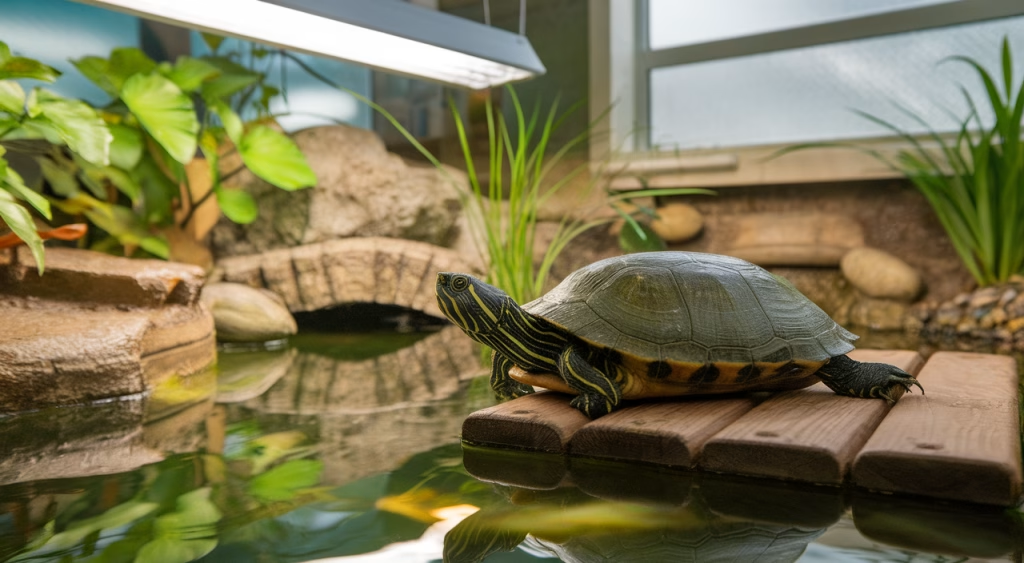
The number one mistake new owners make? Undersized habitats. That tiny turtle won’t stay small. Within a year, your red-eared slider might need 75+ gallons of water to swim properly. A full-grown aquatic turtle thrives in what’s essentially an indoor pond system with room to explore and exercise.
Here’s what a proper turtle habitat requires:
| Component | Purpose | Est. Cost |
|---|---|---|
| Large tank (75+ gallons) | Swimming & space to grow | $120–$300 |
| Canister filtration system | Clean water, remove toxins | $100–$200 |
| UVB + heat lighting | Calcium metabolism & warmth | $40–$100 |
| Basking platform | Thermal regulation | $10–$40 |
| Water heater | Maintain 75–85°F | $15–$50 |
Feeding Is a Daily Science
If you thought feeding turtles involved tossing lettuce twice a week, think again. Proper turtle care requires understanding that species vary, but most require:
- Commercially balanced turtle pellets
- Fresh vegetables (collard greens, squash)
- Protein sources (bugs, cooked meat, worms)
- Calcium supplements
This isn’t just about nutrition—but about mimicking wild dietary diversity. Some turtles are food snobs, too. They’ll refuse yesterday’s leftovers just for spite.
Challenges and Costs of Maintaining a Turtle’s Health
They Hide Illness Better Than Most Pets
One of the hardest parts of turtle care is recognizing when they’re sick. These animals instinctively hide signs of illness until it becomes severe—often too late. Common health concerns include:
- Respiratory infections from low humidity or temps
- Shell rot due to cleanliness issues
- Metabolic bone disease from lack of UVB
And treat them? You’ll need to find exotic animal specialists—vets trained in reptile medicine who aren’t available everywhere and often cost more than your average pet vet.

Treatments Cost Money—and Commitment
A simple check-up? Easily $80–$120. Add tests and medications, and you’re looking at hundreds. That’s before hospitalization costs, if things get serious. Prevention becomes the most affordable path—through pristine environments, enriched diets, and regular monitoring.
Long-Term Considerations for Turtle Owners
Your Turtle Might Outlive You
This is not a joke. If you’re adopting a young turtle today, you might be care planning for after you’re gone. Some owners write turtles into their wills, designating successors to inherit care responsibilities across generations. That alone should tell you what kind of commitment turtle ownership is.
You Can’t Hug Them—And That’s Okay
Turtles won’t cuddle, fetch, or purr. You can’t teach them to sit or roll over. What they offer is something different: quiet companionship, captivating behaviors, a unique glimpse into evolution—and an appreciation for slow but meaningful connection through proper turtle care.
Space and Budget Requirements
| Category | Beginner Setup | Ongoing Monthly Cost |
|---|---|---|
| Habitat Equipment | $300–$500 | $10 (lightbulb replacement every few months) |
| Feeding & Supplements | $50 | $15–$25 |
| Cleaning Supplies/Filters | $40 | $15/month |
| Vet Visits (Annual) | — | $100–$300/year |
A Pet You Watch, Not Touch
Because frequent handling stresses turtles, they’re perfect for people who love observing animal behaviors. They’re living tanks of personality: sunbathing, swimming, digging, begging for food. Think of them as reptiles-for-the-introspective—ideal for responsible observers who appreciate the unique turtle ownership commitment over impulse buyers.
Frequently Asked Questions
Do turtles make good pets for kids?
Not usually. Their long lifespan and delicate care needs make them better suited to committed adults who understand the turtle ownership commitment.
How big do turtles get?
It varies by species, but many grow much larger than expected. Some aquatic turtles reach 12 inches+ and need tanks over 100 gallons for proper turtle care.
Can turtles recognize their owners?
Yes! Many owners report turtles coming to the glass in response to voices and routines.
Are turtles low maintenance?
No. Proper turtle care requires weekly cleaning, specific lighting and temperature setup, and specialized diets.
Do turtles like to be held?
Most don’t. Frequent handling can cause stress and even injury. They’re best enjoyed from a short distance.
What’s the biggest initial cost in turtle care?
Setting up a proper habitat—tank, UV lights, filters—is the most expensive upfront investment.
How often do turtles need vet care?
At least annually, and anytime they show signs of illness. Only exotic animal specialists are qualified for turtle care.