Why Do So Many Rabbit Owners Make These Common Mistakes?
Because well-meaning rabbit owners often rely on outdated or incomplete information when caring for their bunnies. The result? Preventable health issues that could shorten a rabbit’s lifespan. Whether it’s feeding the wrong type of food, not offering enough exercise, or providing a cramped living space, simple oversights can have long-term consequences. This article dives into the essentials—so your bunny can thrive, not just survive.
- Rabbit diet should be 80–90% high-quality hay, supplemented with pellets and fresh leafy greens.
- Exercise and enrichment are critical for physical and mental well-being — rabbits need multiple hours outside of their enclosure daily.
- Habitat should be spacious, soft-bottomed, and offer hideouts, chewables, and digging areas to mimic natural behaviors.
- Dental care relies heavily on hay and chew toys to wear down teeth and prevent painful complications.
- Regular vet visits help catch hidden issues early — crucial for prey animals like rabbits who hide symptoms.
The Importance of Rabbit Diet
Hay: The Cornerstone of a Healthy Diet
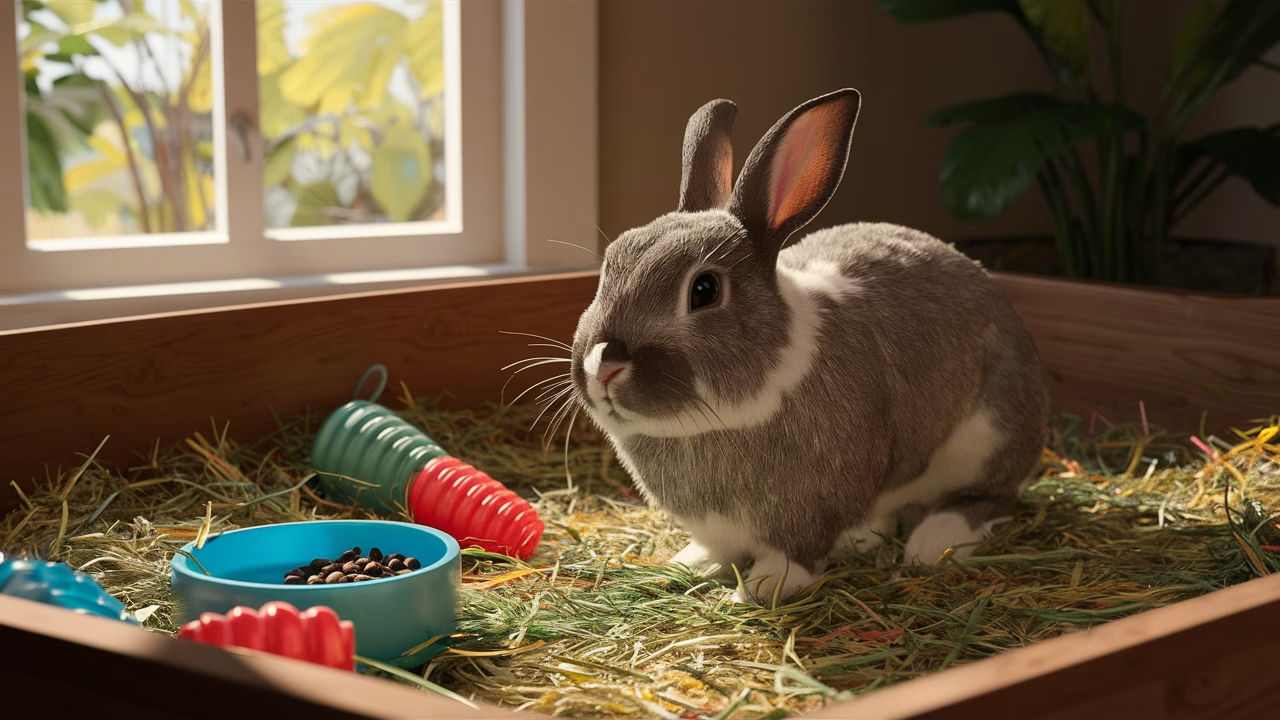
When it comes to rabbit health, everything starts with the digestive system — and hay for rabbits is the unsung hero. High in fiber, hay fuels gut motility and prevents gastrointestinal stasis, a dangerous and often fatal condition in rabbits. But not just any hay will do. Your rabbit needs fresh, fragrant, and green-based hay like Timothy, Meadow, or Orchard Grass.
Here’s what often happens: you buy a large bag of hay and let it sit for months. Unfortunately, stale hay loses both its flavor and nutritional punch. Fresh hay for rabbits should make a crisp crunch when broken and smell like a walk through a summer field.
| Hay Type | Benefits | When to Use |
|---|---|---|
| Timothy Hay | High in fiber, good for adult rabbits | All life stages (except lactating/young bunnies) |
| Alfalfa Hay | High in protein and calcium | Only for rabbits under 6 months or nursing mothers |
| Orchard Grass | Softer alternative, sweet-smelling | Great for variety or picky eaters |
Balancing Pellets and Veggies
While hay is the foundation, pellets for rabbits and fresh veggies add essential nutrients to your rabbit diet. But it’s easy to go overboard—pellets are calorie-dense and overfeeding them can lead to obesity and dental disease.
Instead, offer a measured 1/4 cup of high-fiber pellets per 5 lbs of body weight daily. As for veggies, opt for dark leafy greens like:
- Romaine lettuce
- Cilantro
- Parsley
- Dandelion greens
Introduce new veggies gradually—only one every few days—to monitor how your rabbit reacts. Avoid iceberg lettuce (low nutrition) and sugary fruits, which can disrupt their delicate gut flora.
Exercise and Enrichment for Rabbits
Creating an Active Living Space
Rabbits aren’t lazy; they’re simply restrained by space! Your bunny isn’t meant for a cage lifestyle. In the wild, they run miles, dig burrows, and forage all day. When rabbits don’t get enough room to hop and play, they can develop muscle atrophy, depression, and even obesity. That’s why rabbit exercise must be built into your daily routine.
Free-roaming is the gold standard, but for safety, a bunny-proofed room or large playpen also works. Look for these features to ensure adequate rabbit exercise:
- Minimum 32 square feet of roam time daily
- Carpet or mat coverage for non-slip hopping
- Access to ramps and platforms for physical variety
Mental Stimulation and Playtime
Keep your rabbit’s mind sharp with interactive toys. Boredom is more than a mood—it’s a health risk. A mentally under-stimulated rabbit may begin to chew furniture, dig obsessively, or become withdrawn. Try incorporating:
- Cardboard castles with multiple levels
- DIY treat puzzles using paper towel rolls
- Moveable tunnels to explore and rearrange
Rotate toys weekly to spark curiosity and ensure your rabbit is always engaged.
Crafting the Ideal Rabbit Habitat
Space Requirements and Safe Enclosures
Let’s retire the idea of wire-bottom cages — they’re outdated and frankly harmful. We recommend investing in a rabbit habitat that’s solid-bottomed, spacious, and inviting. A good rule of thumb? At least four times your rabbit’s full length when stretched out. More space is always better for your rabbit habitat.
Choose bedding wisely. Great options include:
- Paper-based litter for odor control
- Fleece liners that wick away moisture
- Avoid cedar or pine—these can emit harmful aromatic oils
Enrichment Ideas for a Happy Rabbit
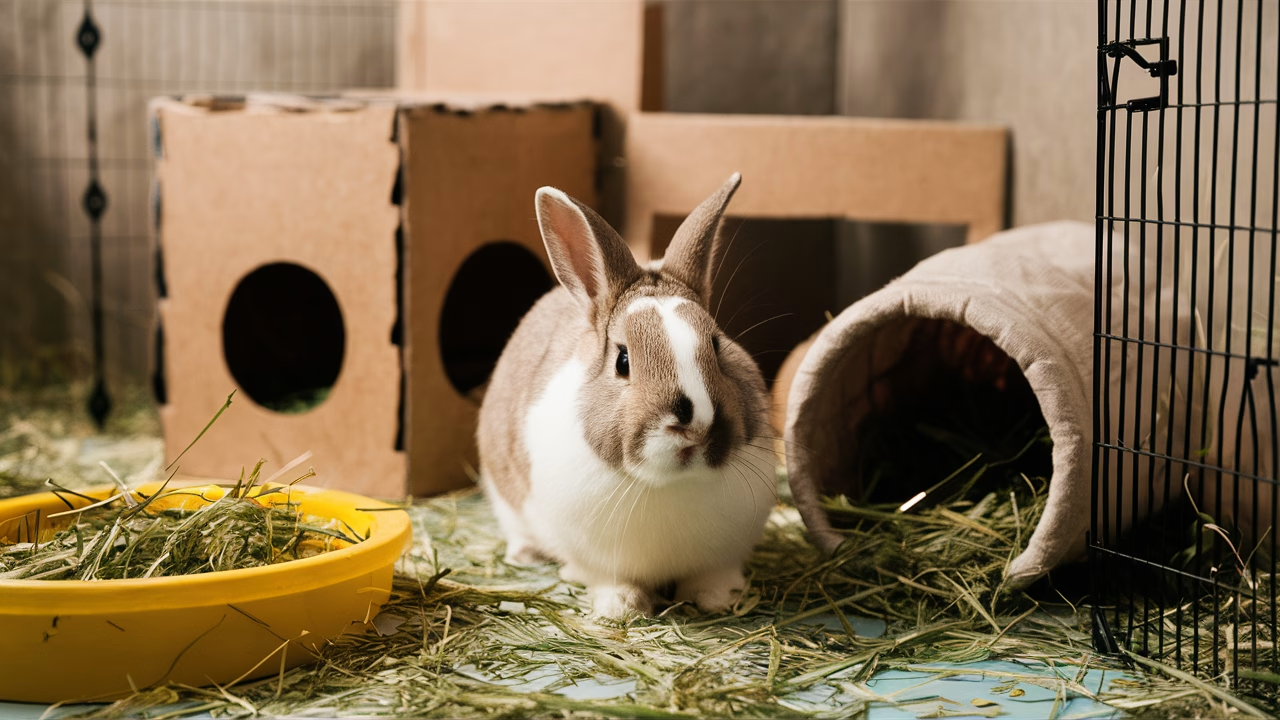
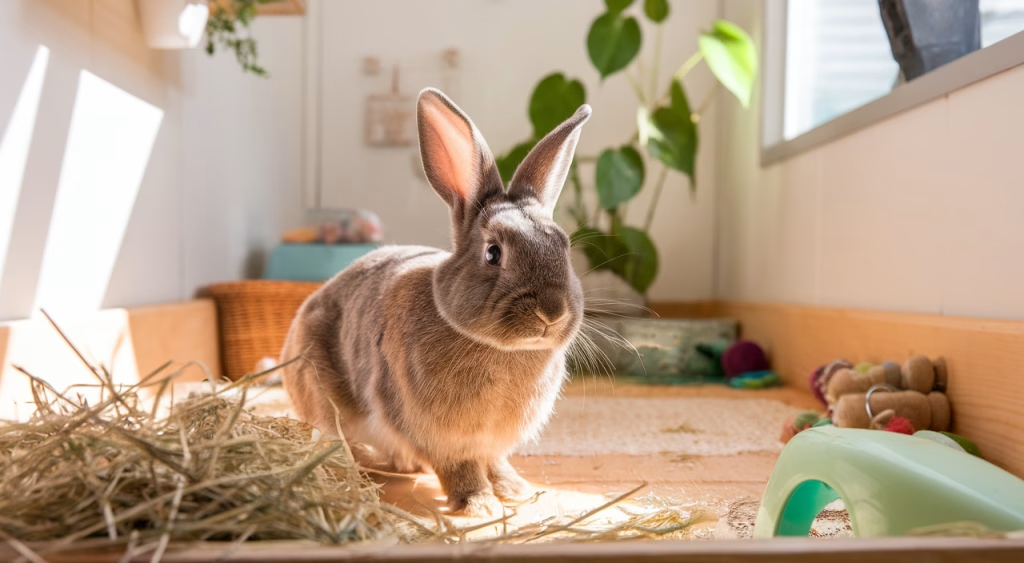
Your rabbit’s home should feel like a playground and a den — cozy yet entertaining. This is where their personality shines! Hideouts and dig boxes mimic their natural instincts within your rabbit habitat:
- Place a cardboard box with holes as a hideout
- Fill a plastic bin with shredded paper and hay for digging
- Offer items to rearrange, chew, and explore
Rotate items frequently to keep things fresh. Think of it as bunny feng shui!
Dental Care for Rabbits
Understanding Dental Health
Rabbit dental care is not optional. Their teeth continue growing forever, just like fingernails. Without proper wear, they develop long molars, painful spurs, or crooked teeth that can even obstruct their ability to eat—and that’s a fast road to fatal complications.
Hay, again, is your rabbit’s first line of defense for rabbit dental care. The repetitive motion of chewing fibrous hay keeps teeth at an appropriate length and prevents misalignment. Lack of chewing variety often leads to malocclusion or other painful mouth issues.
Choosing the Right Chew Toys
But hay isn’t enough on its own. Balanced dental wear needs multiple textures. The effective dental toys for rabbits checklist includes:
- Untreated wooden blocks
- Cardboard toilet rolls
- Woven willow balls
Refrain from plastic toys—those soft enough to chew can break into choking hazards. Remember, variety is key to keeping teeth naturally filed and maintaining proper rabbit dental care.
Regular Vet Visits for Rabbit Health
The Role of Vet Check-ups
Many rabbit illnesses fly under the radar because bunnies instinctively hide pain — it’s their nature as prey animals. That’s why scheduling vet visits for rabbits regularly is not optional, it’s essential.
A rabbit-savvy vet will:
- Check teeth, ears, eyes, and coat
- Listen to the heart, lungs, and abdomen
- Watch for subtle signs of illness like weight changes or abnormal stool
Preventative Care for a Long, Healthy Life
Preventive care includes vaccinations, flea/parasite control, and sometimes blood work to catch chronic issues early. Think of it like this: preventive care costs less than emergency care—in both money and stress. Just one check-up every 6–12 months can profoundly improve longevity, making regular vet visits for rabbits a worthwhile investment.
| Vet Visit Type | Recommended Frequency | What’s Checked |
|---|---|---|
| General Wellness | Every 6–12 months | Teeth, body weight, gut sounds |
| Dental Check | Every 6 months after age 3 | Incisors, molars, gum health |
| Geriatric Screen | Annually after age 6 | Blood panels, organ health |
Frequently Asked Questions
- What is the best fresh veggie for rabbits?
Cilantro, romaine lettuce, and parsley are excellent fresh veggies, rich in vitamins and easy on digestion. - How often should I replace hay?
Daily! Always provide fresh hay and discard any wet or soiled portions. - Can rabbits live indoors?
Absolutely. Indoor habitats can be safely bunny-proofed and offer better control over temperature and predators. - What dental toys are safest?
Cardboard, untreated wood blocks, and woven straw balls are best. Avoid painted or plastic items. - How do I bunny-proof my home?
Use cable covers, block off tight spaces, and remove houseplants that may be toxic. - Do rabbits really need vet visits?
Yes! An annual check-up can detect hidden problems before they become serious — early action saves lives. - Are rabbit pellets necessary?
Yes, in moderation. They supplement nutrients but should never replace hay or veggies.