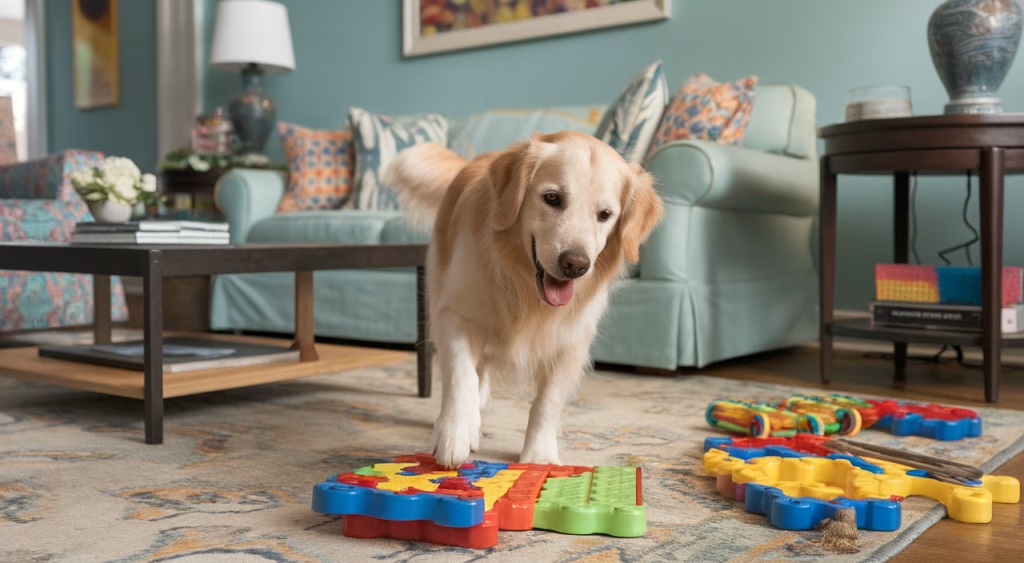
What are the best indoor dog games to stimulate your dog’s brain and prevent boredom?
The best indoor dog games blend scent work, problem-solving, physical activity, and bonding. From hide-and-seek to brain-teasing puzzle toys, these mental stimulation activities keep your dog engaged while preventing destructive behaviors caused by boredom.
- Engaging and educational: Every game in this list provides a different cognitive challenge that taps into your dog’s natural instincts.
- Easy to set up: Most indoor dog games use common household items like muffin tins, towels, and old socks.
- Veterinary and behaviorist approved: As a pet trainer and animal behaviorist, I’ve seen firsthand how impactful these brain games for dogs are for mental stimulation.
- Tired dogs are happy dogs: Proper mental stimulation helps reduce anxiety, excessive barking, and destructive chewing.
- Ideal for all seasons: These interactive games for dogs are perfect for rainy days, winter months, or apartment living.
Brain Games for Dogs
Hide and Seek for Dogs
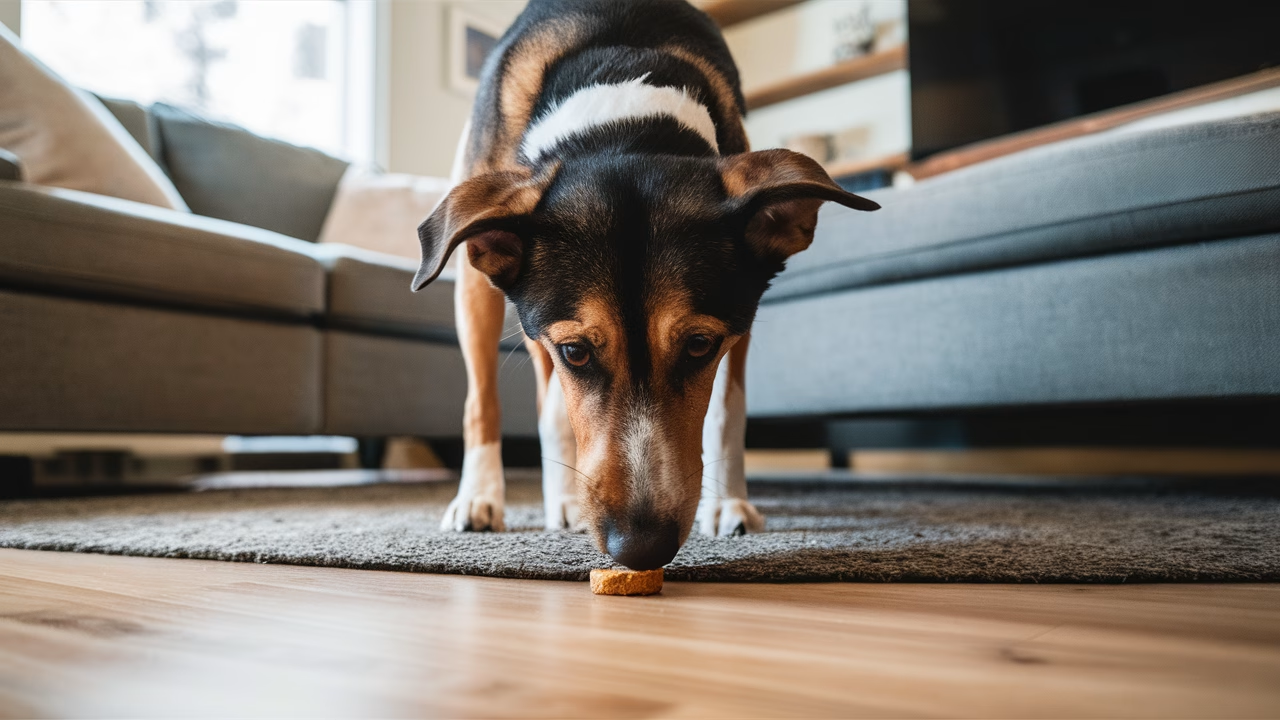
This classic twist on a childhood game is one of the most powerful brain games for dogs. Given that dogs have over 300 million scent receptors, they naturally excel at scent tracking games.
How to Play:
- Start by placing your dog in a sit-stay or having someone distract them in another room.
- Hide their favorite toy or treat somewhere indoors – under a cushion, behind a door, or beneath a table.
- Release your pup and encourage them to “go find it!”
Why It Works: Beyond being fun, hide and seek for dogs activates areas of the brain linked to smell and decision-making, stimulating their natural detective abilities while providing excellent mental stimulation.
Muffin Tin Game
A wonderfully simple brain game that challenges your dog’s problem-solving skills and ranks among the top indoor dog games for mental enrichment.
Materials: A muffin tin, tennis balls, and small treats.
Instructions:
- Place treats in several muffin tin cups.
- Cover each cup with a tennis ball.
- Let your dog explore, paw, and nudge the balls to find the goodies.
Why It Works: This interactive game triggers memory, spatial awareness, and creative thinking. Many dogs start using their nose, then shift strategies by pawing or even flipping with their tongue!
Towel Game
This brain teaser taps into your dog’s foraging instincts, mimicking how they’d dig or sniff out food in nature. It’s one of the easiest indoor dog games you can set up.
Materials: An old towel and dry treats.
- Lay the towel flat, scatter treats on it, and roll it up tight.
- For added challenge, tie the towel in loose knots.
- Let your pup explore, dig, and unwrap it.
Why It Works: This activates neural pathways used during ancestral foraging and digging behaviors, stimulating your dog’s primal instincts in a safe, chew-free way.
Interactive Challenges
Cup Game
Think of this as the “shell game,” dog version. It’s a great way to work on impulse control and scent tracking while providing mental stimulation.
Setup:
- Place a treat under one of three opaque cups.
- Shuffle the cups around on the floor or table.
- Let your dog indicate which cup hides the treat.
Why It Works: This interactive game reinforces your dog’s ability to read subtle cues, focus, and use nose-first strategies. Studies show dogs can read human pointing gestures better than chimps!
Staircase Game
Also known as the “fetch relay,” this game turns your home into the ultimate obstacle course and combines physical activity with brain games for dogs.
- Have your dog wait at the bottom of the stairs.
- Throw a toy or treat to the top.
- Command them to retrieve it and return.
Why It Works: The constant climb and descent improve physical conditioning and coordination. Dogs “bound,” meaning they leap with both hind legs at once—making this look effortless and fun for them.
Puzzle Toy Challenge
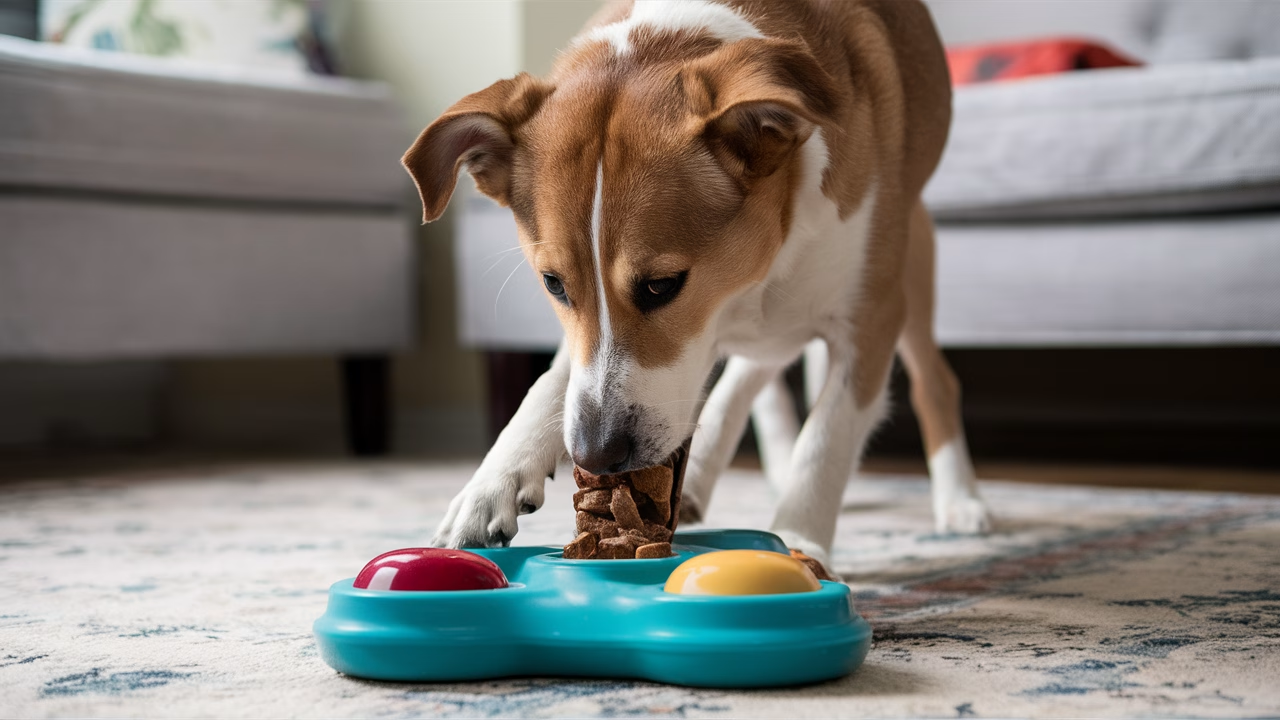
If you own a puzzle toy, don’t underestimate it. Rotating out different puzzles keeps your dog’s problem-solving skills razor-sharp and provides excellent mental stimulation.
Game Plan:
- Choose a treat-dispensing puzzle suited to your dog’s size and intelligence.
- Use it as part of morning feeding to replace boring bowl meals.
Why It Works: Studies show dogs who work for their meals show lower stress and higher satisfaction. These interactive games for dogs challenge memory and fine motor skills, making mealtimes mentally enriching.
Name Recognition Activities
Name Game
This simple game reveals just how much language your dog understands—and it might leave you amazed. It’s one of the most educational brain games for dogs.
How to Teach It:
- Select two toys and give each a unique name (“Ball” and “Rope”).
- Repeat the name while playing with it for a few days.
- Then, place both toys on the floor and ask your dog to bring the named one.
Why It Works: Name learning taps into language centers in dogs’ brains. Border collies have been documented to know 1,000+ words. Training your dog this way exercises memory, attention, and auditory processing.
Comparision Chart: Top Indoor Dog Games
| Game | Primary Focus | Prep Time | Best For |
|---|---|---|---|
| Hide & Seek | Scent tracking, cognitive stimulation | 2 mins | All dogs |
| Muffin Tin | Problem-solving, memory | 3 mins | Puppies & seniors |
| Staircase Game | Physical + mental stimulation | 1 min | High-energy dogs |
| Puzzle Toy | Complex problem solving | 1 min | Smart breeds |
Why Do Vultures Urinate on Their Legs? The Science Behind Their Cooling & Cleaning System
Frequently Asked Questions
What are the best indoor games for dogs when it rains?
Games like the towel game, muffin tin challenge, and hide and seek for dogs are great go-to options, requiring very little space while offering lots of mental enrichment.
Can interactive games replace physical exercise?
Not entirely—but interactive games for dogs can dramatically reduce boredom and anxiety, especially if your dog isn’t getting as much outdoor time as usual. Ideally, aim to balance physical and mental activity daily.
How long should I play brain games with my dog?
Start with 10–15 minutes per session, 1–2 times per day. Watch for signs of frustration and always end on a positive note to keep these indoor dog games enjoyable.
Are puzzle games safe for all dogs?
Yes, as long as you supervise play and ensure the toy is appropriate in size and difficulty for your dog. Always check for wear and tear to avoid choking hazards.
What if my dog doesn’t seem interested in toys?
Use high-value treats or your dog’s meal as motivation. Pair new brain games for dogs with praise, excitement, and interaction to build interest over time.
What supplies do I need for indoor enrichment?
Most indoor dog games use things you already have: muffin tins, towels, socks, cups, and dog-safe toys. It’s more about creativity than cost!
How do I know my dog’s bored?
Chewing furniture, excessive barking, pacing, or shadowing you around the house can all be red flags. Regular mental stimulation through interactive games is crucial for behavioral balance.