What Are the Key Differences Between Happy and Stressed Rabbit Behavior?
The difference between a joyful rabbit and a deeply stressed one can be life-threatening—and surprisingly subtle to the untrained eye. While happy rabbits light up your home with playful jumps, a stressed rabbit might be silently suffering with physiological symptoms that could lead to illness or even death.
- Happy rabbits show visible behaviors like binkies, purring, and relaxed flops.
- Stressed rabbits may thump, hide, lose hair, or stop eating entirely.
- Rabbit anxiety can lead to capture myopathy, a fatal response to extreme fear.
- Understanding your rabbit’s behavior cues is critical to their emotional and physical health.
- This guide explains how to identify, interpret, and respond to rabbit emotions to protect their wellbeing.
Understanding Rabbit Behavior Cues: Why Subtlety Is Everything

How Rabbits Communicate Through Behavior
Rabbits don’t bark, meow, or whine. Instead, they speak through posture, movement, and subtle expressions. As prey animals, they’ve evolved to communicate quietly—which means their emotional cues are easy to miss if you’re not looking closely.
Here’s a breakdown of common rabbit behaviors and what they usually mean:
| Behavior | Emotional Cue | What You Should Do |
|---|---|---|
| Binky (jump and twist mid-air) | Joy, excitement | Celebrate! Your rabbit is thriving. |
| Flop (suddenly laying on side) | Deep relaxation | Respect their space—they’re comfortable with you. |
| Teeth grinding (purring) | Contentment | Gentle petting can enhance the bond. |
| Thumping | Anxiety or alarm | Check for threats in the environment. |
| Flattened posture | Fear | Speak softly, move slowly, and offer a hiding spot. |
| Obsessive licking | Anxious self-soothing | Monitor for other signs of stress. |
Just like humans have nervous habits, rabbits communicate through their bodies and instincts. Learning to read these signs helps you respond appropriately to your rabbit’s emotional needs.
Signs of Stress in Pet Rabbits: What to Watch For
Recognizing signs of stress in rabbits isn’t just about comfort—it can be lifesaving. Stress in rabbits can escalate quickly into serious health issues, making early detection crucial for every rabbit owner.
Behavioral Red Flags
- Hiding or remaining in corners, reluctant to explore
- Aggressive or fearful reactions when approached
- Loss of appetite or sudden, obsessive eating
- Increased destructiveness or cage chewing
- Unusual stillness or tremors
Physiological Symptoms
- Dull, shedding, or balding fur patches from rabbit anxiety
- Weight loss or sudden bloating
- Lethargy despite adequate food and rest
- Irregular droppings—too small, irregular shapes, or none at all
One of the most critical things to understand is that ongoing stress impacts rabbit health directly. Rabbits have sensitive digestive systems that must stay active. Stress can cause GI stasis, a potentially fatal shutdown of digestion that requires immediate veterinary attention.
Happy Rabbit Behaviors That Show All Is Well
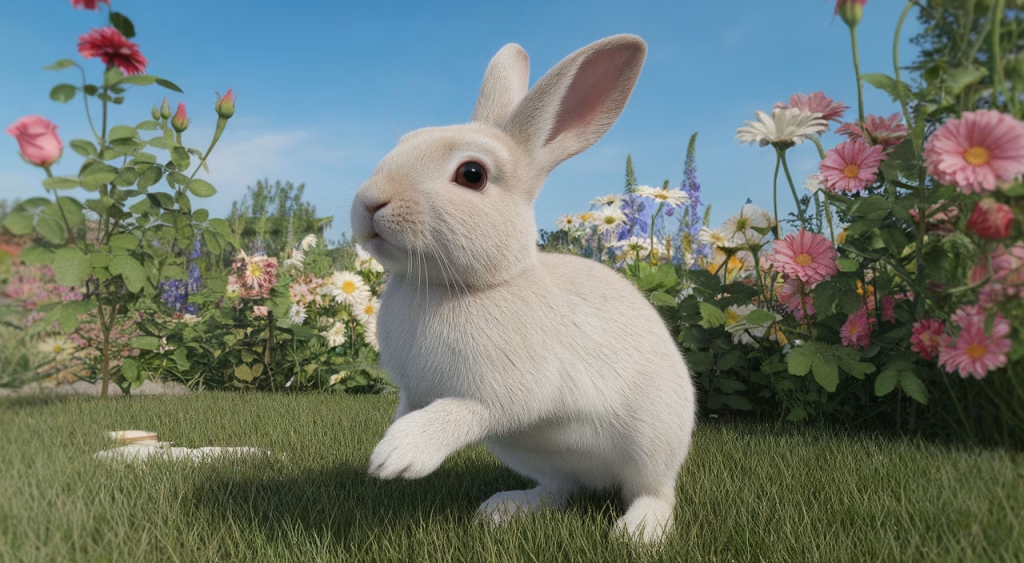
Happy rabbits are pure joy to watch. If you’ve ever witnessed a rabbit perform a binky—that exuberant mid-air twist—you know exactly what contentment looks like. Happy rabbit behaviors indicate your pet feels secure, comfortable, and emotionally balanced.
Joyful Acts Only a Happy Bunny Will Do
- Binkies: Mid-air twists from pure happiness
- Flops: Dramatic side tumbles when they’re ultra-relaxed
- Scent marking: A sign of security and territory confidence
- Purring: Soft tooth grinding during petting sessions
- Nudging: A way to ask for affection or attention
- Playful stealing: Taking socks or toys as an invitation to interact
What Stress Physically Does to a Rabbit’s Body
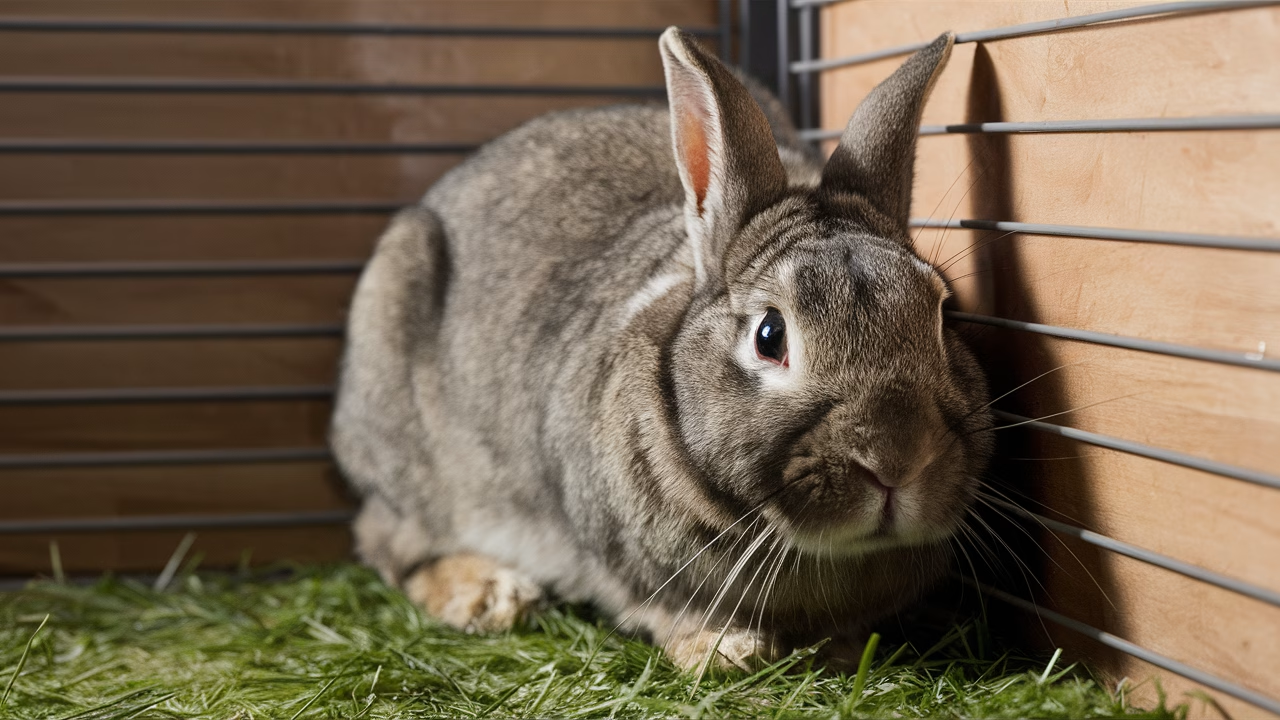
Understanding rabbit anxiety goes beyond behavioral observations. When rabbits experience stress, their bodies undergo dramatic physiological changes that can be dangerous. Their heart rate can exceed 300 beats per minute while they appear perfectly still—imagine the internal strain this creates.
The Tangible Impact of Rabbit Anxiety
Here are some physiological responses and their consequences:
| Stress Response | Physical Manifestation | Health Risk |
|---|---|---|
| Elevated heart rate | Over 300+ BPM | Can cause cardiac fatigue or failure |
| Digestive slowdown | Gastrointestinal Stasis (GI Stasis) | Emergency requiring vet attention |
| Chronic fear | Excess cortisol | Weakens immune system |
| Extreme stress response | Capture myopathy | Potentially fatal collapse |
This is why handling wild rabbits requires extreme care, and even domestic rabbits need supportive, low-stress environments. Understanding these physical responses helps you appreciate why creating calm spaces is essential for rabbit health.
How to Help a Stressed Rabbit Relax
Learning how to help a stressed rabbit relax is one of the most important skills any rabbit owner can develop. Transitioning a fearful rabbit from anxiety to calm requires patience, consistency, and understanding of their natural behaviors.
Proven Ways to Create a Calm Environment
- Consistent Routine: Feed, clean, and play at the same times daily
- Safe Spaces: Provide enclosed hideouts like cardboard boxes or tunnels
- Gentle Touch: Approach slowly, pet gently around ears and forehead
- Bonded Companionship: Consider partnering them with another calm rabbit
- Three-Zone Habitat: Mix play, hide, and rest zones so your rabbit can self-regulate
Positive Reinforcement Tips
- Use treat-based training to encourage brave behavior
- Reward calm exploration rather than fear-based retreat
- Provide interactive enrichment toys that stimulate without overwhelming
Think of your stressed rabbit like someone recovering from trauma. Success comes from building trust gradually, removing stressors, and celebrating small victories. Many rabbits recover completely when given proper support and understanding.
Comparing Happy vs. Stressed Rabbit Characteristics
| Trait | Happy Rabbit | Stressed Rabbit |
|---|---|---|
| Posture | Lounging, stretched out | Hunched, low to the ground |
| Movement | Binky, hopping | Frozen or jerky movements |
| Eyes | Bright, curious | Dull, darting |
| Ears | Upright, moving with sound | Flat back or stiff |
| Eating | Regular, curious about food | No appetite or obsessive consumption |
| Fur | Sleek, smooth | Patches missing, dull coat |
Frequently Asked Questions
What causes stress in rabbits?
Sudden loud noises, unfamiliar environments, predators (even pets like dogs or cats), lack of routine, or loneliness can cause rabbit stress. Even something as simple as changing their furniture around can trigger anxiety if not introduced slowly.
Can a rabbit die from fear?
Yes. Rabbits can suffer from a condition called “capture myopathy” where extreme fear leads to fatal exhaustion or cardiac failure. It’s a rare but serious risk, especially in wild or unbonded rabbits.
How can I calm my rabbit down quickly?
Lower the lights, reduce noise, and sit quietly nearby. Offer their favorite herb or speak in a calm voice. Don’t pick them up—instead, let them approach you on their terms. Provide a hiding spot and ensure their area feels safe.
What are signs of a happy rabbit?
Binkies, loud flops, relaxed lounging, nudging for attention, purring through teeth grinding, and enthusiastic eating are all signs your rabbit is happy and feeling secure.
Can rabbits recognize their owners?
Absolutely. Rabbits are intelligent and emotionally complex. They can learn names, schedules, and even remember who gave them good (or bad) experiences. Many rabbits bond strongly with their humans.
Do rabbits like being petted?
Most do—especially on their forehead and behind the ears—but every rabbit is different. Let yours guide you. If they nuzzle into your hand or purr while you pet them, you’re doing it right.
How can I prevent rabbit anxiety long-term?
Establish routines, provide a safe and enriching environment, offer socialization (rabbit or human), and monitor for signs of stress frequently. A calm home makes for a confident bunny.