How do green herons use bait to catch fish?
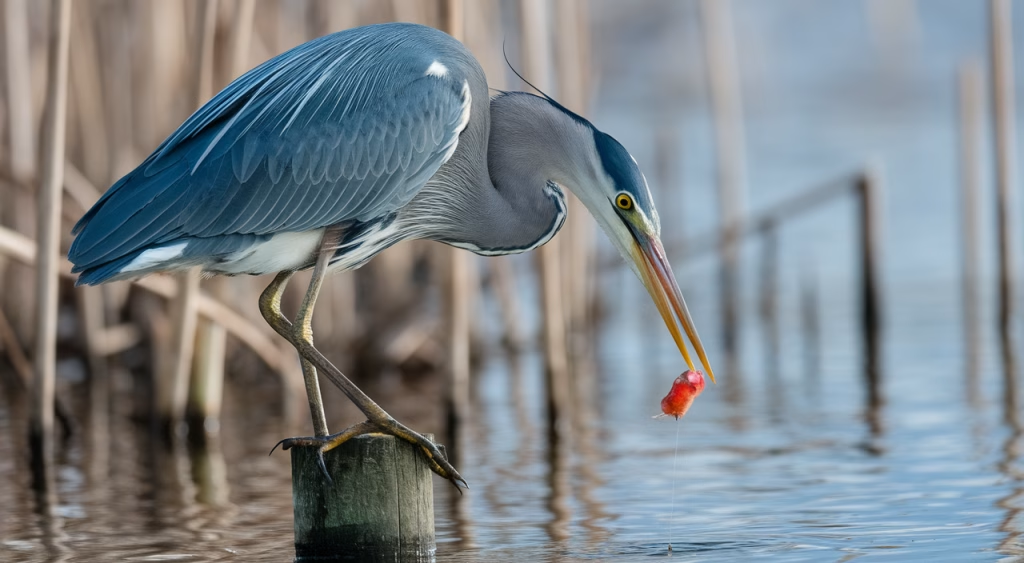
The green heron uses bait by dropping objects like feathers, insects, or bread onto the water’s surface to attract fish. When a fish investigates the bait, the heron seizes the opportunity to strike with lightning-fast precision. This remarkable green heron bait fishing behavior is one of the few documented cases of tool use in birds, making it a fascinating example of avian intelligence in action.
TL;DR: Summary of Green Heron Bait Fishing
- Intelligent Strategy: Green herons are known to use bait such as bread, insects, or twigs to lure fish.
- Selective Prey Capture: They adjust their techniques based on prey movement, water clarity, and bait availability.
- Learned and Adaptive: Not all green herons do this—suggesting some learn it through observation or experience.
- Conservation Insight: Observing their behavior teaches us more about wetland ecosystem dynamics and bird intelligence.
Introduction: Understanding the Green Heron
The green heron (Butorides virescens) is a small, stocky wading bird found across North and Central America. Known for its rich chestnut neck plumage and striking yellow eyes, this secretive bird typically remains hidden among dense reeds. Unlike its larger cousins, the green heron prefers solitude, silence, and stealth. Yet beneath its quiet demeanor lies one of nature’s savviest survival strategies—green heron bait fishing.
If you’ve ever walked along the edge of a swamp or watched closely at a quiet marsh, you may have caught a glimpse of a green heron poised with breathtaking stillness—then, suddenly, lunging to snatch a fish not just swimming by but lured in by a bait it had dropped moments earlier. That bait might be a feather, bread crust, earthworm, or even a chewed-up berry. How does it know to do this? Why do some herons use bait while others don’t? Let’s wade deeper into its curious and effective fishing strategy.
Bait Fishing Behavior: Techniques and Strategies
Green heron bait fishing is widely considered one of the clearest examples of tool use in birds.
Here’s how a typical green heron fishing behavior session might unfold:
- The heron perches quietly above a still body of water, observing fish movements and currents.
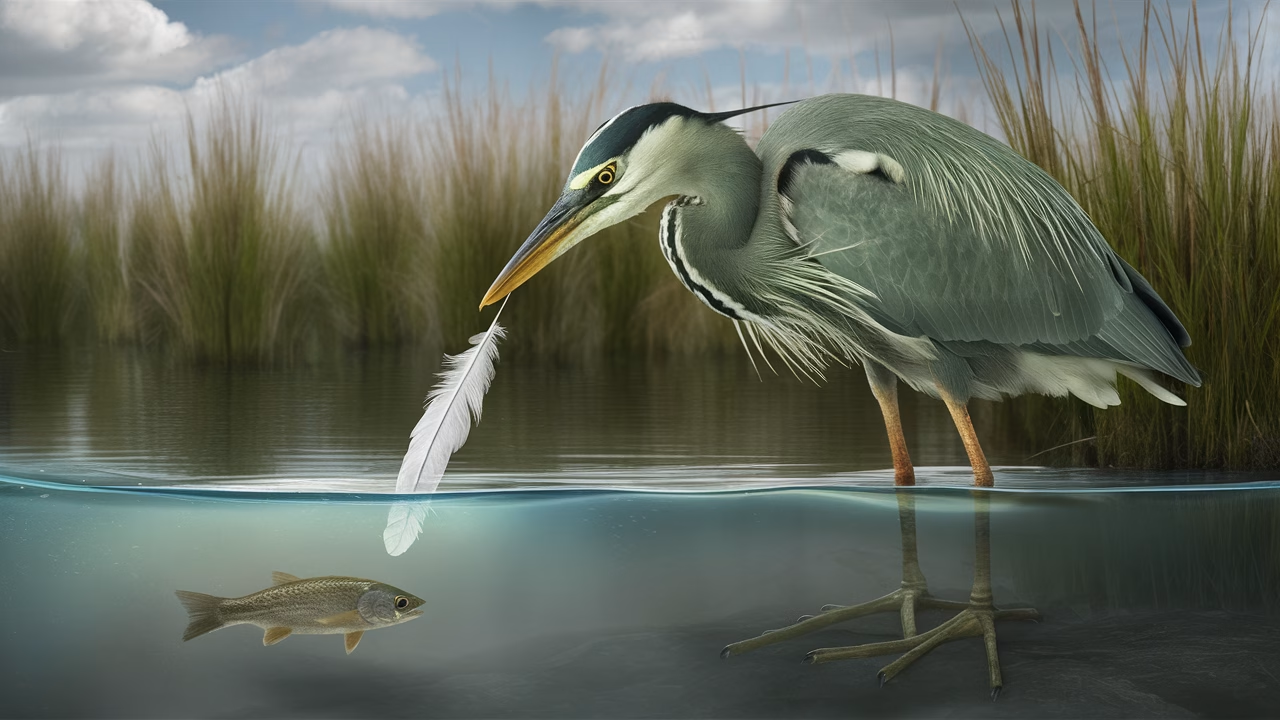
- It finds or drops a small object—perhaps an insect, twig, or crust of bread—onto the water surface.
- With extreme patience, it watches as the object drifts and nearby fish investigate the disturbance.
- At the right moment, the heron darts forward and snatches the curious fish using this proven fish luring technique.
This fish luring technique of the green heron varies depending on habitat and available materials. In suburban parks, some herons have even been observed stealing breadcrumbs people toss to ducks—and using them for their own bait!
Occasionally, a heron will retrieve the same object multiple times if the first attempt doesn’t attract fish. This shows a level of problem-solving ability rarely seen in birds.
While many birds hunt by instinct alone, the green heron seems to refine its methods over time, hinting at a blend of innate and learned behavior—making it increasingly effective with experience. This nuance is why green heron bait fishing habits are so intriguing not just to ornithologists but to behaviorists worldwide.
Habitat and Prey Selection: Factors Influencing Bait Usage
The green heron’s preferred habitats—shallow freshwater wetlands, lakeshores, estuaries, and slow-moving streams—are ideal for its stealthy lifestyle and offer plenty of opportunity to use bait fishing methods.
But not every green heron exhibits this behavior. What influences their green heron prey selection and bait fishing techniques?
- Habitat Complexity: In areas with lots of cover and calm water, bait works more effectively, allowing herons to hunt from concealed locations without spooking fish.
- Prey Activity: Green heron bait fishing is more likely when fish are near the surface or active in warm, shallow waters.
- Availability of Bait: Access to materials like feathers, leaves, or bread influences their use. Some researchers believe green herons even preferentially select shiny or floating bait based on visibility.
- Past Success: Just like a good angler returns to proven fishing spots, green herons will reportedly reuse successful bait spots, refining their timing and style.
Scientists have also observed regional differences in green heron fishing behavior. Some populations, especially near urban areas, display more frequent bait fishing—possibly due to greater exposure to human-provided bait (like breadcrumbs), as well as higher competition requiring smarter fishing strategies.
Success Rates and Challenges: The Reality of Bait Fishing
You might be wondering: are green heron bait fishing habits actually effective?
Yes—but as with any foraging tactic, it’s not foolproof.
| Factor | How it Impacts Success |
|---|---|
| Bait Type | Live or edible bait often attracts fish quicker than inedible objects like twigs in green heron bait fishing. |
| Water Conditions | Clear, shallow water enhances visibility for both the heron and the fish—improving chances of successful fish luring techniques. |
| Predator Patience | Green herons that wait longer and remain steady tend to be more successful than those that strike too early. |
| Competition | In high-pressure areas, bait fishing may give one heron a strategic advantage over traditional hunting methods. |
Still, challenges remain: currents may carry bait away; bait may disintegrate. Timing is everything. Like an angler with a bobber, the green heron reads the ripples, shadows, and moments of movement to make its move count.
In my fieldwork, I’ve spent hours observing green heron fishing behavior along the bayous of Louisiana and the cypress knees of Florida. The most successful individuals create what looks like routines—returning to certain spots, choosing the same kind of bait, or marking their favorite shaded overhangs. These aren’t random actions. They showcase learned preference and ecological adaptation in action.
Conservation Implications: Significance of Green Heron Behavior
Why should we care about how the green heron uses bait to catch fish?
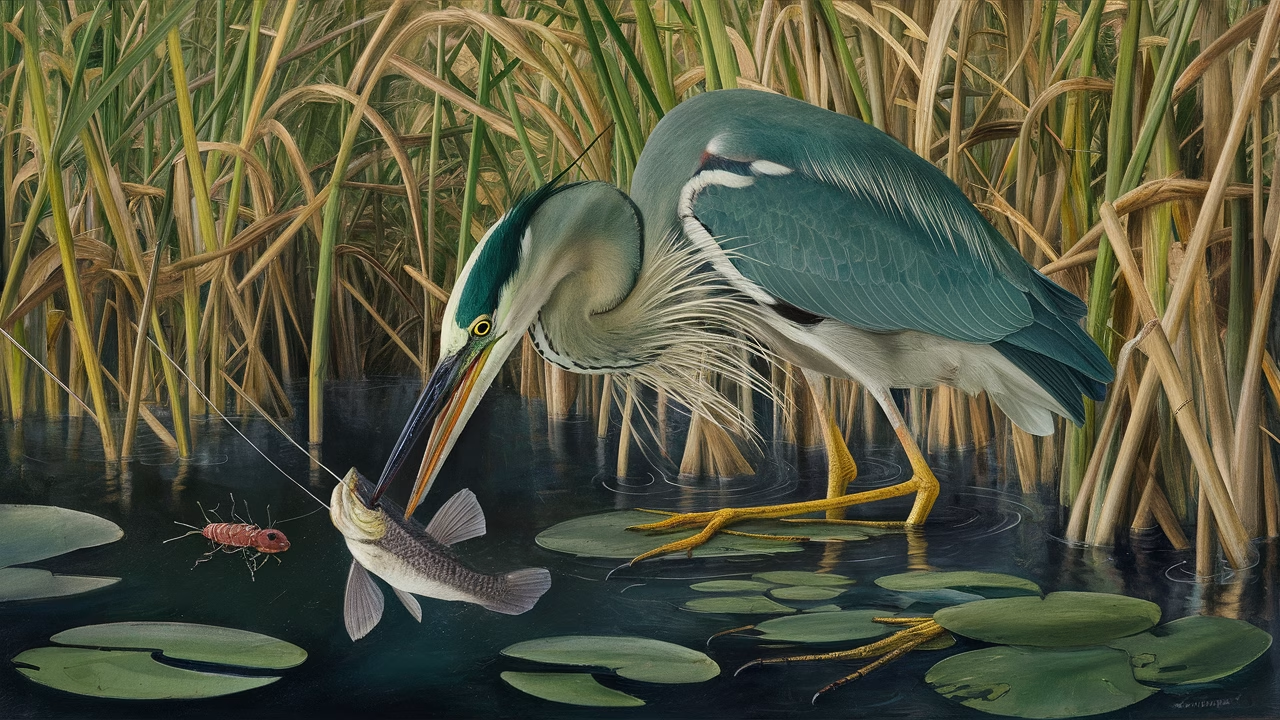
It’s more than just a curious bird hobby. The bait fishing behavior of green herons hints at the cognitive complexity of birds more generally. It also reflects wetland health; areas that support green heron bait fishing tend to have active aquatic life, calm waters, and diverse plant life.
Furthermore, protecting such species protects entire ecosystems. Wetland habitats—often the first casualties of urban expansion and agricultural runoff—host countless interdependent species. The presence of a bait-using green heron is a sign of balance in the ecosystem.
By promoting awareness of these fish luring techniques of the green heron, we also highlight why preserving wetland environments is so crucial for maintaining biodiversity and supporting intelligent avian behaviors.
Final Thoughts
Witnessing a green heron successfully use bait to lure a fish is like watching a magic trick you can’t explain. It’s clever, unexpected, and leaves you wondering how that little bird knew what to do.
What green heron bait fishing behavior teaches us is simple but profound: intelligence comes in many forms, and nature often works with elegance that rivals anything constructed by human hands. Perhaps next time you’re out near water, you’ll stop to observe more carefully. A green heron might just show you something extraordinary with its remarkable fishing techniques.
Frequently Asked Questions
- What bird uses bait to catch fish?
The green heron is the most well-documented bird known to use bait to catch fish, often dropping insects, twigs, or breadcrumbs onto the water to attract them. - Is bait fishing common in all herons?
No. While some herons occasionally exhibit similar behaviors, green heron bait fishing is particularly associated with this species and is more common in certain regions and individuals. - Why do only some green herons use bait?
Green heron bait fishing habits appear partially learned rather than purely instinctual. Some birds likely learn it through observation or personal trial and error. - What types of bait do green herons use?
Green herons have used bread, insects, twigs, berries, feathers, and even plastic to attract fish in their bait fishing behavior. - Are green herons endangered?
Currently, green herons are listed as a species of least concern, though loss of wetland habitat remains a threat to their bait fishing opportunities. - Where can I observe bait fishing behavior in herons?
Quiet wetland parks, swampy areas, and shallow water bodies during warmer months are ideal for spotting green heron fishing behavior. - Does bait fishing increase the green heron’s hunting success?
In many observed cases, yes! Birds that use green heron bait fishing techniques, especially at dawn or within still waters, often catch more prey per attempt than non-baiting individuals.