How Do Octopuses Taste with Their Suckers?
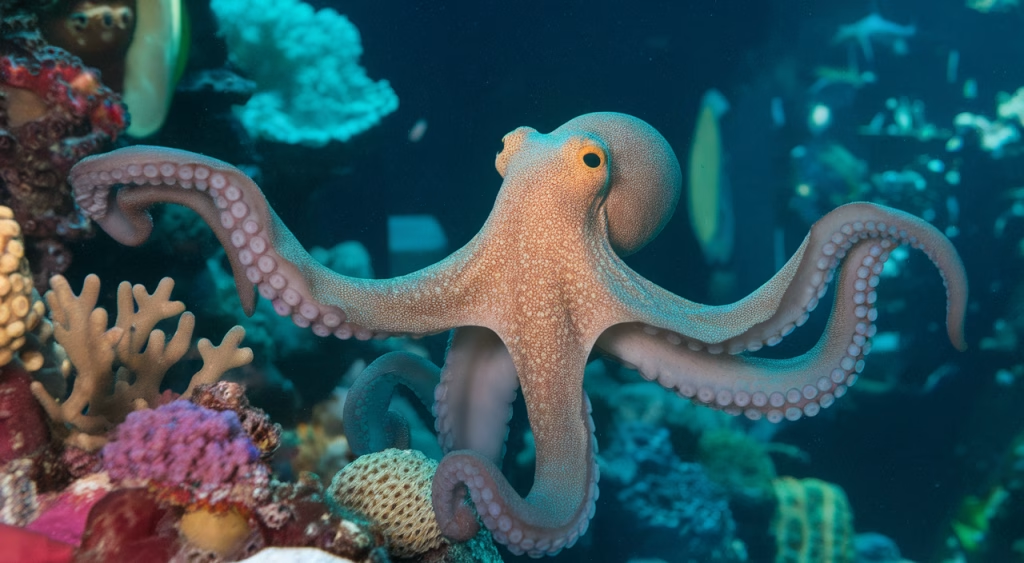
Octopuses taste with their suckers through specialized chemoreceptor cells embedded within each sucker cup. These remarkable octopus taste sensors allow them to simultaneously touch and taste their environment, detecting everything from palatable prey to harmful microbes through direct contact. This unique sensory system gives octopuses an extraordinary advantage in marine environments.
TL;DR: The Secret Behind Octopus Taste Sensors
- Octopuses taste using chemoreceptor cells located in their sucker cups that detect chemical signatures.
- These taste sensors identify safe versus dangerous substances, including harmful microbes, toxins, and spoiled prey.
- They use this ability to hunt effectively, explore surfaces safely, and avoid contaminated food sources.
- Scientific research confirms these taste sensors react instantly to bitter compounds like toxic algae and quinine.
- Applications include biomimetic robotics and marine monitoring that replicate octopus sensory design for underwater exploration.
The Science Behind Octopuses’ Taste Sensors
What Makes Octopus Sucker Cups Unique?
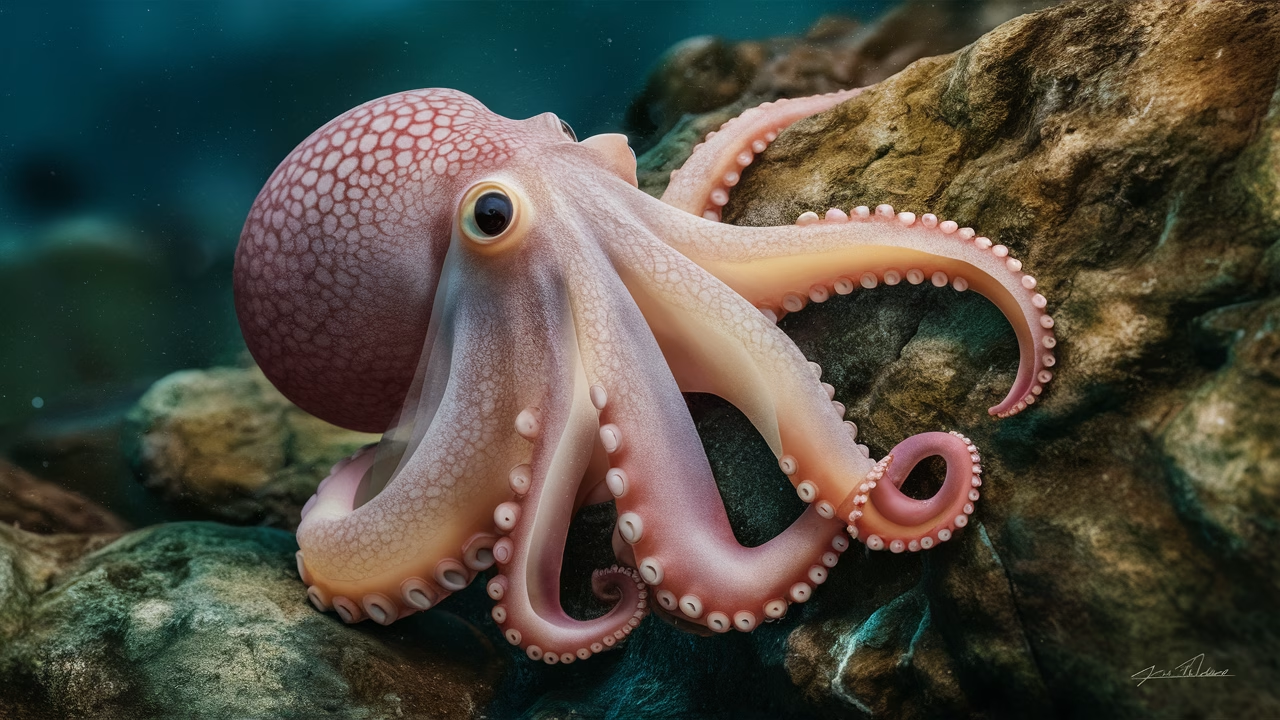
Each octopus arm contains over 200 sucker cups, creating thousands of individual taste-testing points across their body. Unlike any other marine creature, octopuses taste with their suckers using specialized chemoreceptors that function like distributed taste buds. When you consider how octopuses taste with their suckers, imagine having the ability to taste everything you touch—that’s exactly how these intelligent cephalopods navigate their underwater world.
These sucker cups contain highly sensitive chemoreceptors that analyze chemical signatures instantly. When octopus taste sensors contact a surface or potential prey, they transmit detailed chemical information directly to the octopus’s brain. This real-time feedback system helps them distinguish between edible prey, toxic substances, and neutral objects within milliseconds of contact.
The Role of Chemoreceptors in Octopus Survival
The chemoreceptors within each sucker cup detect multiple categories of chemical compounds that are crucial for survival:
- Bitter alkaloids and toxins that indicate poisonous or spoiled material
- Amino acids and proteins that signal nutritious, edible prey
- Microbial biofilms and bacterial colonies that could indicate contamination or decay
Researchers have demonstrated this by exposing octopuses to bitter compounds like quinine. The octopuses immediately rejected these substances using only their arms, never bringing the material near their mouths. This proves that octopuses taste with their suckers as their primary method of food evaluation.
How Octopuses Use Sucker Cups to Detect Harmful Microbes
Nature’s Advanced Quality Control System
Ocean environments present constant challenges with bacteria-laden surfaces, toxic algae, and decomposing matter. Octopuses have evolved their sucker-based tasting system as a sophisticated quality control mechanism that operates faster than any laboratory test. What do octopus taste sensors detect when evaluating potential threats? They identify chemical signatures produced by harmful microbes before the octopus risks ingestion.
When octopus taste sensors contact surfaces with microbial contamination, they trigger immediate avoidance responses. Studies comparing octopus reactions to clean versus bacteria-infected surfaces show that octopuses consistently avoid contaminated materials, even when mixed with otherwise appealing food sources. This ability to detect harmful microbes through their suckers provides a crucial survival advantage in unpredictable marine environments.
The Importance of Microbial Detection for Octopus Health
In aquatic ecosystems, harmful microbes produce distinct chemical signatures that octopus taste sensors have evolved to recognize. Decomposing prey typically releases compounds that signal danger, while healthy tissue produces chemical markers that indicate safety and nutritional value.
| Chemical Compound | What It Indicates to Octopus Sensors |
|---|---|
| Quinine, Denatonium | Potential toxins requiring immediate avoidance |
| Fresh amino acids | Healthy, protein-rich prey suitable for consumption |
| Sulfides and amines | Bacterial decomposition and harmful microbes |
What Do Octopus Taste Sensors Detect?
Beyond Basic Taste: Environmental Intelligence Through Touch
What do octopus taste sensors detect beyond simple food evaluation? These remarkable organs read environmental conditions like a biological laboratory. Octopuses taste with their suckers to identify predator chemical trails, locate stressed or wounded prey, and even detect marine pollution markers such as heavy metals or chemical contaminants near coastlines.
- Predator chemical signatures left by sharks, eels, or other threatening marine life
- Stress hormones and blood released by injured prey animals
- Environmental toxins including industrial pollutants and harmful algal blooms
This sophisticated chemical analysis helps octopuses make informed decisions about where to hunt, where to build dens, and which areas to avoid entirely.
Species Variation in Sensory Capabilities
Different octopus species show varying levels of sensory sensitivity in their taste sensors. Coastal species like the Common Octopus (Octopus vulgaris) have highly developed sucker-based tasting abilities, while some deep-sea species may have reduced sensitivity due to different environmental pressures and available prey types.
The Science Behind Octopus Taste Sensors

Cutting-Edge Research Discoveries
Recent research from Harvard and the Marine Biological Laboratory has revealed that octopus taste sensors contain G-protein coupled receptors similar to those found in vertebrate taste systems. These studies confirm that octopuses taste with their suckers using molecular mechanisms that rival the sophistication of any known biological sensing system.
Perhaps most remarkably, researchers discovered that detached octopus arms continue to respond to chemical stimuli independently. This means octopus taste sensors operate autonomously, allowing these animals to process multiple sensory inputs simultaneously across all eight arms while their brain focuses on other tasks.
Practical Applications of Octopus Taste Sensing
Biomimetic Technology Inspired by Octopus Sensors
Scientists are now developing ‘chemo-tactile’ sensors that mimic how octopuses taste with their suckers. These biomimetic devices combine texture detection with chemical analysis, making them ideal for underwater robotics, environmental monitoring, and exploration of sensitive marine ecosystems like coral reefs.
Marine Environmental Monitoring Applications
Understanding what octopus taste sensors detect has inspired new approaches to marine pollution monitoring. Synthetic sensors based on octopus biology can detect contaminants through direct contact rather than requiring water samples, potentially revolutionizing how we monitor ocean health and food safety in marine environments.
For marine biology enthusiasts and researchers, these discoveries highlight how much we still have to learn from octopus sensory capabilities and their potential applications in solving human technological challenges.
Final Thoughts
The way octopuses taste with their suckers represents one of nature’s most elegant solutions to underwater survival challenges. With hundreds of individual taste sensors across their eight arms, octopuses experience their world through simultaneous taste and touch in ways we can barely imagine. Whether hunting prey, avoiding toxins, or exploring new territory, they do so with unmatched sensory precision. As we continue studying octopus taste sensors and what they detect, we gain insights that advance both our understanding of marine biology and our technological capabilities for ocean exploration.
Frequently Asked Questions
- Do you eat octopus suction cups?
You can eat them in cooked dishes. They are chewy and flavorful, often enjoyed in seafood cuisines globally. - Why do octopuses taste with their suckers?
It allows them to instantly detect the chemical composition of prey or surfaces, improving survival. - Can an octopus detect poison with its arms?
Yes, using chemotactile sensors in their suckers, they can avoid toxic or spoiled food. - How many taste sensors does an octopus have?
Hundreds, embedded in each of their suckers, giving them unmatched taste sensitivity. - Is tasting with suckers common in marine animals?
No. This sensory system is quite unique to cephalopods like octopuses. - Do all octopus species have this ability?
Most do to varying degrees; shallow-water species tend to have the highest sensitivity.