How does the immortal jellyfish revert to its polyp stage?
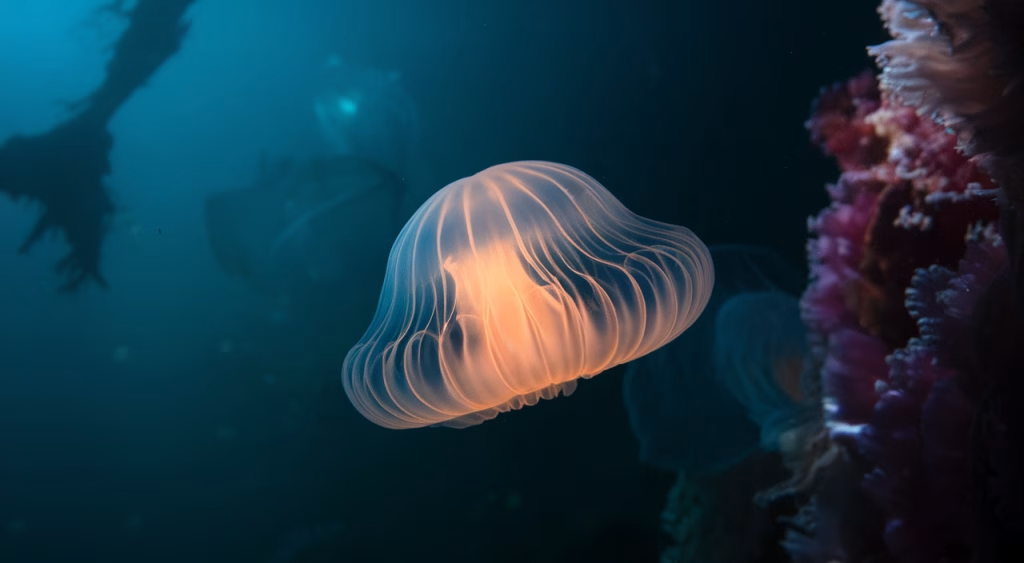
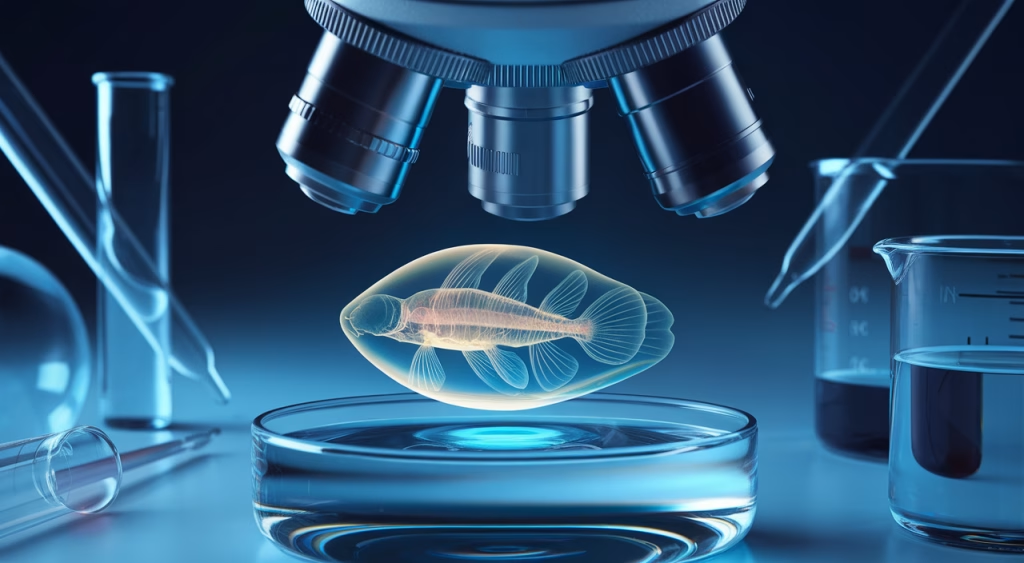
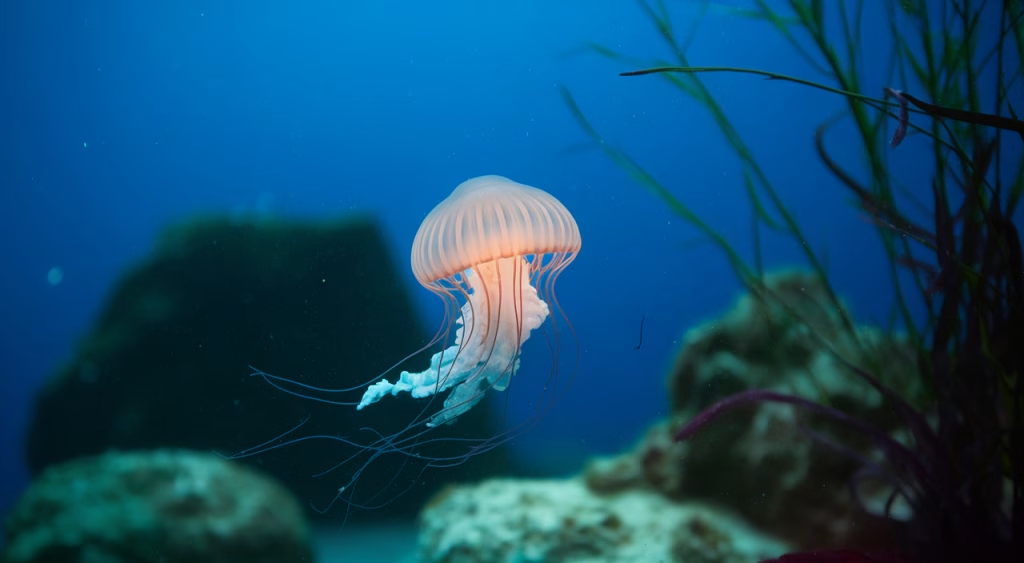
The immortal jellyfish, or Turritopsis dohrnii, is capable of reverting to its earliest stage of life—a process astonishingly rare among animals. Through a remarkable biological mechanism known as transdifferentiation, it reprogrammes its mature cells back into a youthful, polyp stage, essentially allowing it to start life over and achieve biological immortality.
TL;DR: The Immortal Jellyfish Reset Button
- Main Trick: Transdifferentiation allows mature cells to become other cell types entirely.
- Key Stage: The jellyfish goes from adult medusa back to polyp.
- Trigger: Environmental stress, injury, or aging often initiates the process.
- Why It Matters: This may provide insights into regenerative medicine and aging.
- Unique Biology: Very few organisms have reversion abilities like this.
Unveiling the Life Cycle of the Immortal Jellyfish
From Egg to Eternity: Life Cycle Stages
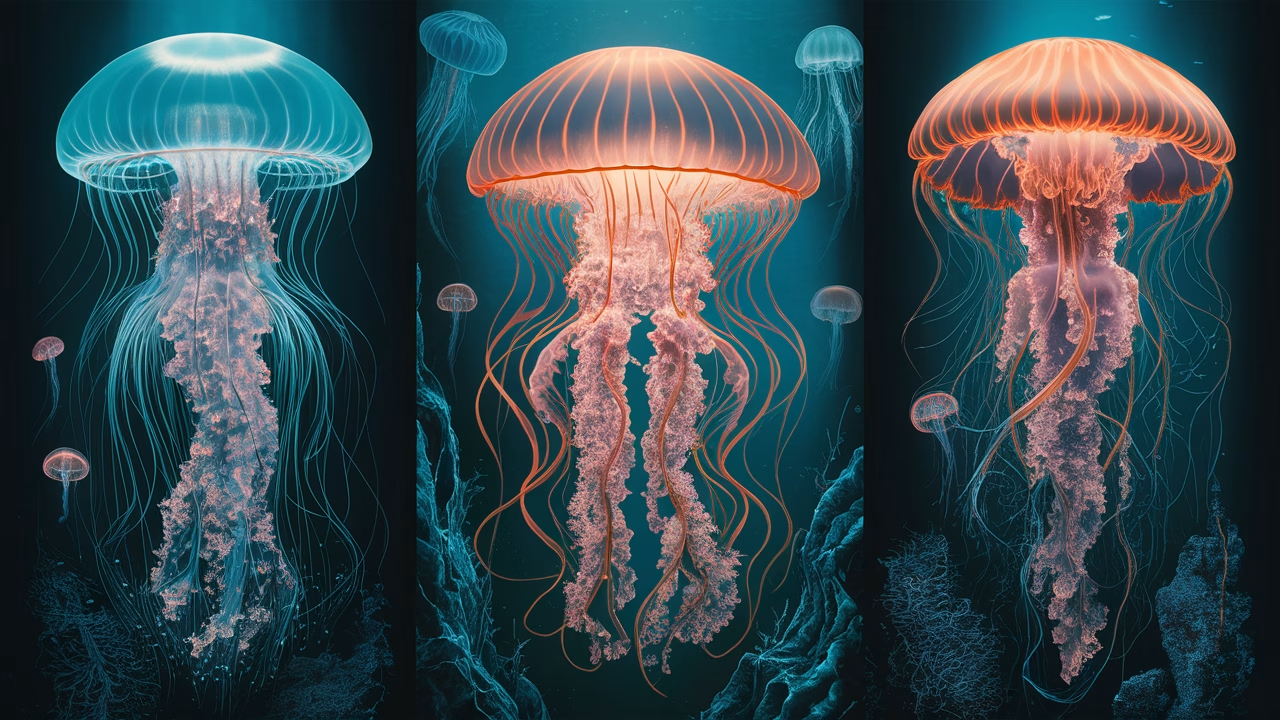
Understanding the complete immortal jellyfish life cycle stages reveals nature’s most fascinating survival strategy. The process begins like any typical jellyfish—until it performs something no other creature can do.
Here’s how the immortal jellyfish life cycle stages unfold:
- Egg: Fertilized in the ocean.
- Planula: A free-swimming larva that finds a surface to latch onto.
- Polyp: Resembles a sea anemone. This is the “youth” stage.
- Colony Stage: The polyp buds and clones itself.
- Medusa: A free-swimming, adult jellyfish.
- Reversion (Unique): Instead of dying, the adult can return to polyp form.
The real showstopper? That final stage where the immortal jellyfish achieves what scientists call “reverse development.” Under the right conditions—injury, starvation, or stress—the adult medusa doesn’t die like most life forms. Instead, it transforms back to its polyp stage.
What is Transdifferentiation in Jellyfish?
Now comes the science behind this extraordinary comeback. How does transdifferentiation work in jellyfish? This process refers to a mature cell changing from one specialized type to another—imagine a cell completely changing its job description and retraining as something entirely new. Unlike stem cells, which start blank, these are mature cells that decide to become something else.
For the immortal jellyfish, when a medusa cell senses danger, it begins restructuring through transdifferentiation. Muscle cells become nerve cells; digestive cells transform into new structural tissue. This intricate cellular reprogramming reroutes the jellyfish’s entire body plan back to its juvenile polyp stage.
| Cell Type | Original Function | Transformed Function |
|---|---|---|
| Muscle Cell | Movement | Nervous System |
| Gastrodermal Cell | Digestion | Structural Formation |
| Epitheliomuscular Cell | Skin Layer | Reproductive Cell |
What’s truly remarkable is that this transdifferentiation process isn’t just biological—it challenges our fundamental understanding of aging and mortality.
Triggers That Make the Jellyfish Hit “Reset”
You might wonder when this mystical transformation occurs. While the immortal jellyfish doesn’t revert at every minor stress, specific conditions trigger its return to the polyp stage.
Here’s what typically initiates the reversion process:
- Physical injury: Tissue damage can trigger defensive rollback to the polyp stage.
- Environmental stress: Changes in temperature, salinity, or water quality.
- Nutritional deficiency: Starvation drives them to restart their life cycle.
- Cellular aging: Unlike humans, they don’t face aging head-on—they reboot through transdifferentiation.
Think of it like factory-resetting your device when it starts malfunctioning. The immortal jellyfish essentially wipes the slate clean when survival becomes uncertain, returning to its stable polyp stage.
What Are the Benefits of Jellyfish Regeneration?
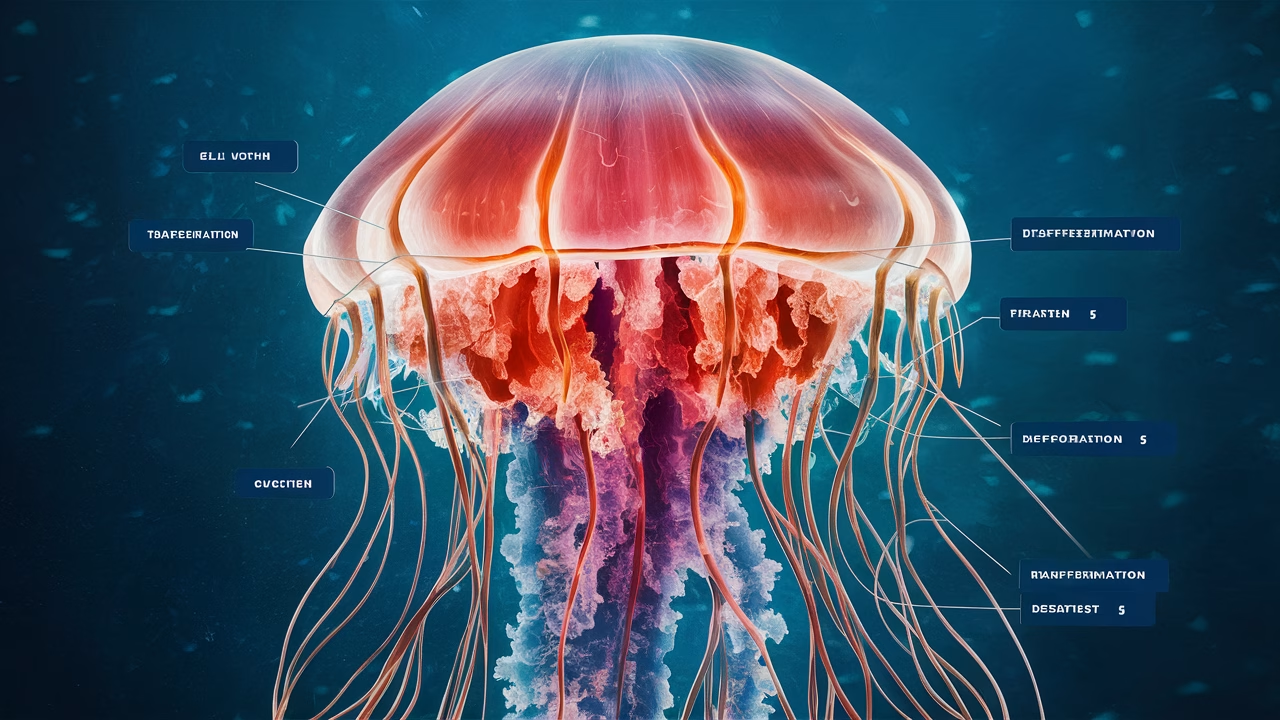
Biology’s Secret Weapon?
Beyond resembling science fiction, understanding the benefits of jellyfish regeneration has profound real-world implications. Scientists are exploring breakthrough technologies and treatments inspired by this biological survival mechanism.
Among the most promising benefits of jellyfish regeneration research:
- Anti-aging research: If we understand how immortal jellyfish cells reprogram without damage through transdifferentiation, we might slow human aging.
- Regenerative medicine: Imagine regrowing organs or tissues after injury using cellular reprogramming principles from the polyp stage reversion.
- Cancer therapies: Mastering cellular control like the immortal jellyfish could help redirect malignant cells in cancer patients.
By studying the benefits of jellyfish regeneration, we’re not only unraveling ancient biological mechanisms but also glimpsing the future of medicine and biology.
Can Other Creatures Do This?
This is where Turritopsis dohrnii truly earns its “immortal jellyfish” title. While regeneration exists throughout the animal kingdom—lizards regrow tails, starfish regenerate limbs, axolotls can regrow appendages—the immortal jellyfish is the only known animal capable of repeatedly reverting to an earlier life stage through transdifferentiation.
If you’re wondering why humans haven’t evolved this ability, consider the complexity. The immortal jellyfish has a primitive nerve net, no brain, and relatively simple organ systems. Their biological simplicity enables their polyp stage reversion superpower.
| Species | Regen Ability | Limit |
|---|---|---|
| Axolotl | Limb Regeneration | Only limbs/organs |
| Flatworm | Whole body | Limited cell types |
| Turritopsis | Life-cycle reversal | Potentially unlimited |
In the realm of biological transformation, the immortal jellyfish stands uniquely alone with its transdifferentiation abilities.
Final Thoughts: What the Immortal Jellyfish Teaches Us
In a world that continuously moves forward, the immortal jellyfish reminds us that nature doesn’t always follow conventional rules. Through its remarkable ability to revert to the polyp stage via transdifferentiation, it redefines mortality, offers glimpses into regenerative miracles, and opens doors to revolutionary biotechnologies.
Research into how transdifferentiation works in jellyfish continues expanding our understanding of cellular reprogramming. The benefits of jellyfish regeneration research could transform medicine, aging research, and our fundamental understanding of biological limits.
If a tiny immortal jellyfish can start over through its incredible polyp stage reversion, perhaps we can too—in our scientific approaches, our medical treatments, and our perspective on what’s possible in biology.
Frequently Asked Questions
How does the immortal jellyfish revert back to a polyp?
Through transdifferentiation, the immortal jellyfish reprogrammes its adult cells into immature polyp cells, usually triggered by stress or injury.
What is the lifespan of the immortal jellyfish?
Technically, it can be indefinite due to the life cycle reset—though most die from predators or environmental hazards.
Can we use jellyfish regeneration for human medicine?
While not directly translatable yet, jellyfish cell reprogramming inspires regenerative and anti-aging research with vast potential.
Is it truly immortal in the wild?
Not exactly. In practice, many die before they get the chance to revert, but the potential for immortality is biologically inherent.
How often can a jellyfish revert?
There’s no absolute limit observed yet. In lab conditions, multiple reversals have been recorded.
What makes Turritopsis dohrnii different from other jellyfish?
Its unique ability to revert to a polyp rather than dying at medusa stage sets it apart biologically.
Where is the immortal jellyfish found?
It’s commonly found in warm to temperate waters globally, including the Mediterranean and Japan.