How can I tell if my rabbit is lonely—and what can I do about it?
If your rabbit’s behavior suddenly shifts—less play, changes in appetite, hiding, or even aggression—it may be more than just a mood. These can be signs your bunny is battling rabbit loneliness. But don’t worry: with the right knowledge and a little effort, you can help your furry friend hop into happiness again.
- Lethargy, loss of appetite, or aggression are classic loneliness symptoms in bunnies.
- Overgrooming, hiding, or destructive chewing may also signal emotional distress.
- Rabbits are social animals that need companionship, toys, and routine bonding.
- Address rabbit loneliness with play, enrichment, and possibly a bonded bunny friend.
- Always rule out medical issues with a rabbit-savvy vet before concluding it’s behavioral.
Signs of Loneliness in Rabbits
Rabbits are deeply social creatures. When isolated or lacking interaction, they manifest emotional distress in noticeable ways. Recognizing these loneliness symptoms in bunnies can prevent long-term behavioral or health issues in your beloved pet.
Lethargy and Withdrawal
Has your once-energetic bunny turned into a bunny burrito, wrapped up in silence and sleep? Lethargy is often a top indicator of rabbit loneliness. If your rabbit has become less responsive, avoids play, or stops exploring their environment, they may be emotionally checked out and crying for companionship.
Loss of Appetite
Much like people who lose their appetite during emotional slumps, bunnies do too. A lonely rabbit might turn their nose up at favorite veggies or abandon hay piles untouched. It’s important to rule out dental and GI issues first with your vet, but if your rabbit gets a clean bill of health, emotional isolation might be the underlying cause of this concerning bunny loneliness behavior.
Overgrooming
Rabbits are naturally tidy creatures. But when grooming crosses into fur-plucking and bald spots, it’s their version of emotional nail-biting. This compulsive behavior may function as a coping mechanism when proper companionship is missing, directly addressing their unmet rabbit emotional needs.
Aggression
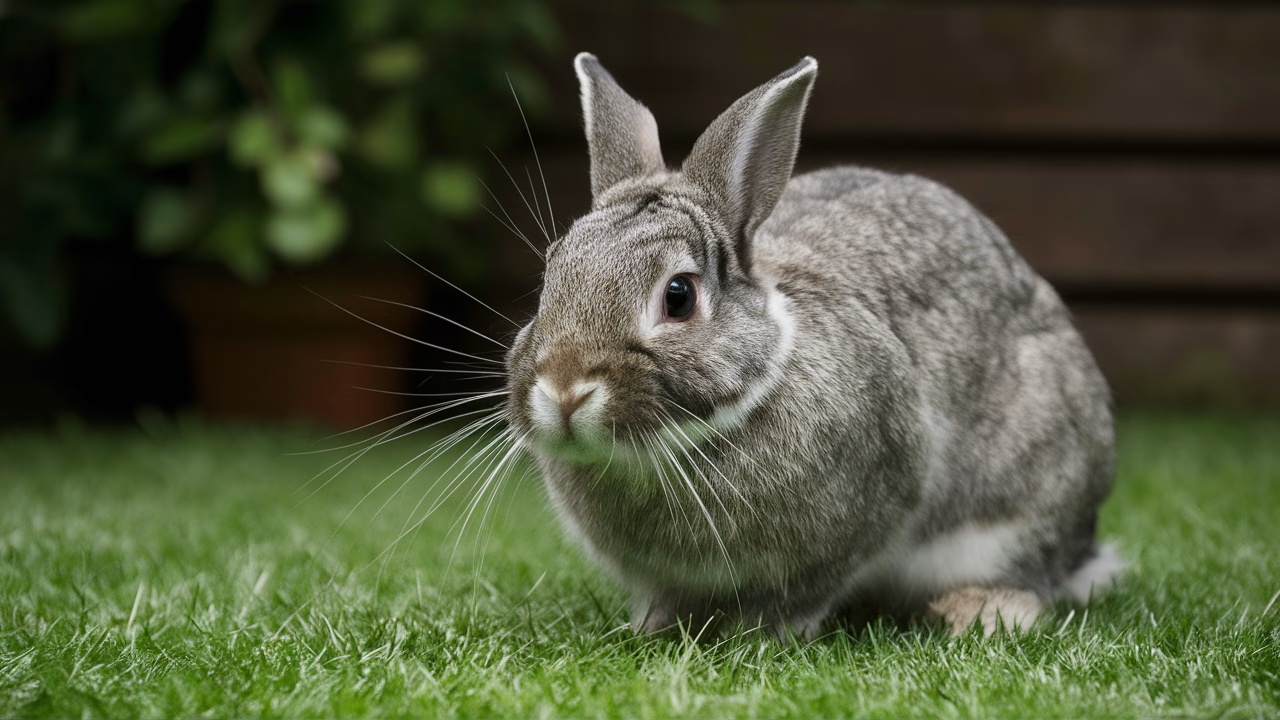
Biting, lunging, or grunting may indicate not just territorial issues but emotional dissatisfaction. Rabbits display aggression when they’re distressed or frustrated—often a direct result of unmet social needs. Think of this aggressive bunny loneliness behavior as their frustrated attempt to say, “I need more meaningful interaction.”
Destructive Behavior
Chewing on baseboards, digging holes in the carpet, or shredding anything in their hutch? Your rabbit might just be trying to entertain themselves in the absence of proper stimulation. Bunnies are intelligent creatures that require mental enrichment and structure. Destruction is often boredom and loneliness working together in disguise.
Hiding or Clinginess
Some rabbits retreat when experiencing loneliness, others become super clingy—both ends of the spectrum can indicate the same root issue. Hiding away from interaction, or constantly demanding attention, may be your rabbit signaling a serious social imbalance that needs addressing.
Litter Box Regression
One unexpected sign of bunny loneliness is sudden changes in litter habits. A normally well-litter-trained rabbit might start soiling outside the litter box due to emotional stress. Always consult a rabbit-savvy vet first to rule out urinary infections or GI issues before attributing this behavior to rabbit loneliness.
Grooming Neglect
Matted fur and dirty feet are red flags that shouldn’t be ignored. When a rabbit stops grooming altogether, depression may be setting in. Just like us humans, when motivation fades due to loneliness, it impacts basic hygiene. Addressing rabbit emotional needs becomes absolutely crucial at this stage.
Coping Mechanisms for Lonely Bunnies
If your rabbit is showing signs of distress, there are compassionate strategies you can implement right away to help them feel emotionally nourished. These coping mechanisms for lonely bunnies can make an immediate difference in their well-being.
Increase Daily Interaction
Simple presence can mean the world to a lonely bunny. Sit beside them, speak softly, or offer gentle head rubs. Bonding doesn’t always mean active play—sometimes it’s just about companionship and being present.
Introduce Safe Enrichment
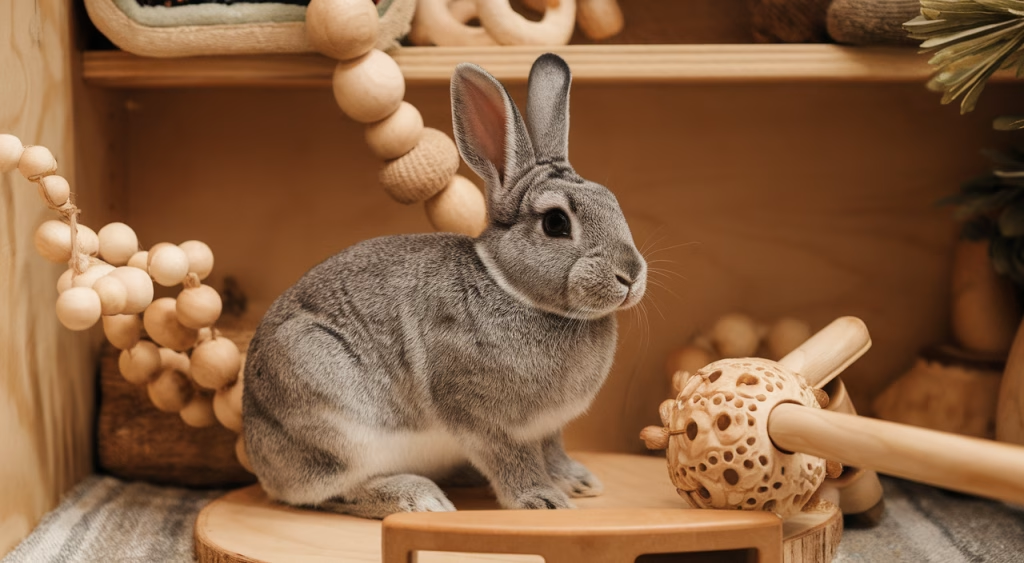
Introduce foraging toys, hay puzzles, or cardboard tunnels to stimulate their natural curiosity. Rotate these enrichment items weekly to prevent boredom and maintain mental stimulation.
Create Routine and Structure
Rabbits thrive in predictability. Consistent feeding, cleaning, and playtime routines help them feel secure and cared for, addressing core rabbit emotional needs.
Use Gentle Training Games
Clicker training or treat-hiding games involve mental and emotional engagement, giving your bunny a sense of purpose and pleasure that combats loneliness.
Addressing Rabbit Loneliness: Practical Tips
Many rabbit parents ask: How do I actually fix loneliness in my bunny? This isn’t just about occupying their time—it’s about meeting their deep-seated social and emotional needs through proven strategies.
Add a Bonded Partner
Rabbits are hardwired to live in social groups. Introducing a properly bonded rabbit partner is one of the most effective long-term solutions for rabbit loneliness. Bonding takes time, patience, and proper technique, but it can increase both bunnies’ happiness and quality of life dramatically.
Best Activities for Bonding With Your Bunny
Quality time activities that address bunny loneliness behavior include:
- Laying on the floor and letting them hop on you
- Hand-feeding small bits of fresh veggies
- Gentle brushing sessions (if they enjoy it)
- Creating obstacle courses made from safe household items
Provide Safe Spaces
A lonely bunny may retreat for emotional safety. Make hiding places cozy, quiet, and positioned in family-visible spots so they still feel part of the household group without feeling exposed or vulnerable.
Importance of Social Interaction for Rabbits
Ever wondered why wild rabbits live in warrens, huddled together in groups? It’s because companionship is a biological need for these social creatures. Lack of proper social interaction results not just in sadness but in physical symptoms, including depression and health decline that can seriously impact their lifespan.
Bunnies form lifelong bonds in the wild. While human interaction is incredibly beneficial, it’s not always enough to fully satisfy their rabbit emotional needs. We humans can’t perfectly mimic bunny body language or grooming rituals the way another rabbit can. That’s why having a bonded mate can be absolutely life-changing for addressing chronic rabbit loneliness.
Creating a Stimulating Environment for Your Bunny

Whether your rabbit lives indoors, free-roams, or enjoys supervised outdoor time, their physical environment directly shapes their emotional health and helps prevent loneliness symptoms in bunnies.
Enrichment Essentials
| Enrichment Type | Examples |
|---|---|
| Foraging Toys | Hay balls, cardboard puzzles, treat tubes |
| Tunnels and Hideouts | Fabric tunnels, hay huts, cardboard boxes |
| Mental Stimulation | Clicker training, sound toys, chew challenges |
Environment Checklist
- Rotate toys weekly to maintain interest
- Ensure ample space to hop and zoom around
- Provide safe chewables (untreated wood, hay mats)
- Include natural light and quiet zones for rest
Frequently Asked Questions
Can I leave my rabbit alone all day while I’m at work?
It depends on your individual rabbit’s needs. While some bunnies adjust to being alone during human work hours, they require quality interactive time before and after, plus enrichment in their space to avoid developing rabbit loneliness. Monitor for loneliness symptoms in bunnies if you work long hours.
Do rabbits get lonely if kept alone?
Yes, absolutely. Rabbits are inherently social creatures and being kept alone can lead to stress, boredom, and serious health issues. Companionship—either from humans, other bunnies, or rich environmental interaction—is key to preventing bunny loneliness behavior.
Should I get another rabbit to keep mine company?
If you’re ready for the commitment, yes. A properly bonded pair supports each other emotionally and can dramatically reduce rabbit loneliness. Always follow the correct bonding process to ensure safety and compatibility between both rabbits.
What’s the difference between a bored and a lonely rabbit?
A bored rabbit may still be social but lacks mental stimulation. A lonely rabbit feels emotionally disconnected and may show distancing or depressive behaviors. They can overlap, but understanding the root cause helps determine the best coping mechanisms for lonely bunnies.
How long does it take to bond a new rabbit?
Bonding can take days or even months depending on personality and bonding technique. It’s best done on neutral ground, with gradual supervised interaction and rewards for calm behavior. Patience is key when addressing rabbit emotional needs through companionship.
Is constant chewing a sign of loneliness?
It might be. Excessive chewing can indicate boredom or loneliness—especially if your rabbit has already mastered litter training and isn’t usually destructive. This type of bunny loneliness behavior often improves with increased interaction and enrichment.
Can I keep two rabbits of the same sex together?
Yes, but only if both are spayed/neutered and bonded properly. Unaltered rabbits, even of the same sex, may fight once hormones kick in. Proper bonding helps prevent rabbit loneliness regardless of sex combinations.