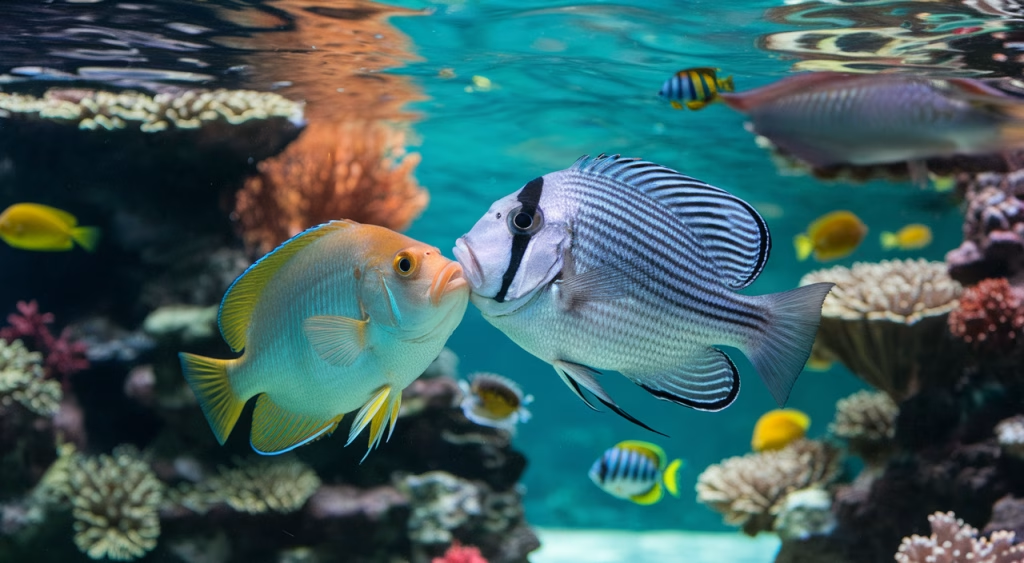
Ever wondered why Sarcastic Fringehead fish wrestle using their massive mouths?
Sarcastic Fringehead fish aren’t named for their sense of humor — this bizarre species has a truly unique way of staking out its territory: jaw-dropping wrestling matches that look like something out of an underwater showdown. These tiny but aggressive fish face off by gaping their wide mouths at one another in intense confrontations that determine dominance without bloodshed.
TL;DR: Key Facts About Sarcastic Fringehead Fish
- Unique Behavior: Sarcastic Fringeheads engage in territorial disputes through literal mouth-to-mouth combat called underwater wrestling.
- Massive Jaws: When threatened, they extend their jaws far beyond their skull, dramatically increasing their head size to intimidate rivals.
- Habitat: Found along the Pacific coast from California to Mexico, often hiding in shells, cans, or rocky crevices.
- Key Role: These fish are integral to the marine food chain and help maintain coastal reef diversity through their territorial behaviors.
- Conservation Note: While not endangered, their habitat is threatened by pollution and climate change impacts.
What Makes the Sarcastic Fringehead Fish Unique
If you’ve never heard of the Sarcastic Fringehead fish, prepare to have your mind expanded — much like their jaws. These oddball bottom-dwellers are relatively small, growing up to 12 inches, yet their aggressive behavior is anything but modest. Their signature move? Launching their jaw forward like a pop-out book of aggression.
The Sarcastic Fringehead fish gets its unusual name from the fleshy appendages (or “fringes”) above its eyes, and “sarcastic” referring to their exaggerated, almost mocking appearance during confrontations. But what truly sets these aggressive fish apart is their response to intruders: rather than fight with fins or teeth, fringeheads gape their mouths and press them together in what can only be described as jaw jousting.
This mouth-to-mouth behavior — absurd-looking but fascinatingly non-lethal — allows these fish to gauge one another’s size and strength, establishing territorial hierarchy without necessarily inflicting injury. It’s the ultimate fish face-off, and you won’t find this aggressive behavior anywhere else in the animal kingdom.
The Aggressive Behavior of Sarcastic Fringehead Fish
Despite their small size, the Sarcastic Fringehead fish is considered one of the most aggressive fish per inch in the ocean. Their defensiveness stems from a survival instinct deeply rooted in their biology and habitat. In the wild, territory means life or death — access to food, shelter, and reproduction opportunities depends on being the alpha fringehead in the crevice or can.
So how does that aggressive behavior manifest? A Sarcastic Fringehead fish will first issue warning signals by undulating its body and flaring its fins. If the intruder doesn’t back off, the fringehead gapes its mouth wide (like an umbrella turning inside out) — an intimidating display showcasing its brilliantly colored inner jaw and pharyngeal muscles.
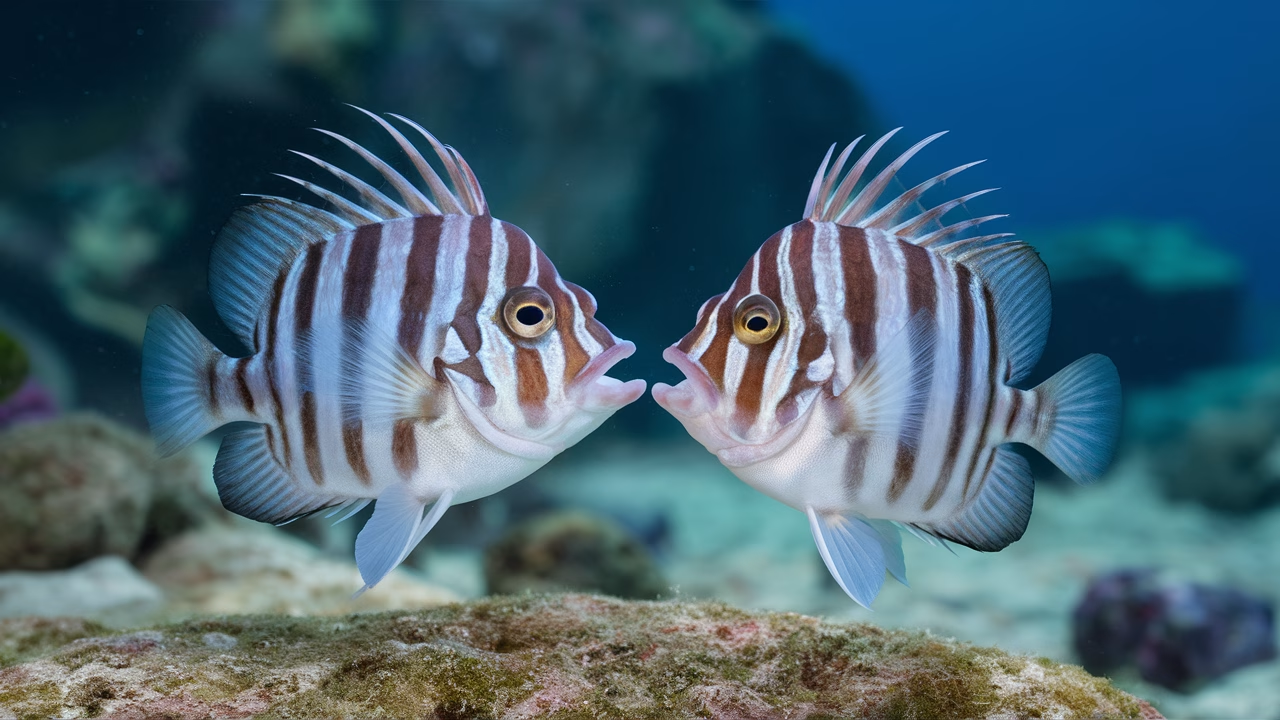
Still not intimidated? That’s when the underwater wrestling begins. These aggressive fish push their open mouths against each other in a bizarre liplock of dominance to see who yields. The broader the mouth, the more intimidating the signal. It’s nature’s way of saying, “Back off, this shell is mine.”
How Sarcastic Fringehead Fish Wrestle Using Wide Mouths
Sarcastic Fringehead fish don’t wrestle like sharks or eels — there’s no biting, no tearing. Instead, their jaw battles serve as sophisticated rituals of communication and display. It’s almost balletic — if ballet were set in an alley and every pirouette was a threat.
When two Sarcastic Fringehead fish meet in a border dispute, they both flare their jaws forward until their faces resemble sunflower petals wrapped around a fierce scowl. This behavior, termed “underwater wrestling,” is an escalated interaction in territoriality. The fish push their mouths laterally against one another, measuring width, strength, and determination.
Eventually, one retreats, often bruised in ego more than body. The victor retains his shell, bottle, or burrow, and resumes life as king of the rocky hill. This aggressive behavior helps maintain order in their marine ecosystem.
Anatomy of a Jaw Showdown
| Action | Purpose |
|---|---|
| Mouth flaring | Initial threat display |
| Color display of inner jaw | Visual intimidation |
| Physical jaw contact | Dominance contest |
The Habitat and Lifestyle of Sarcastic Fringehead Fish
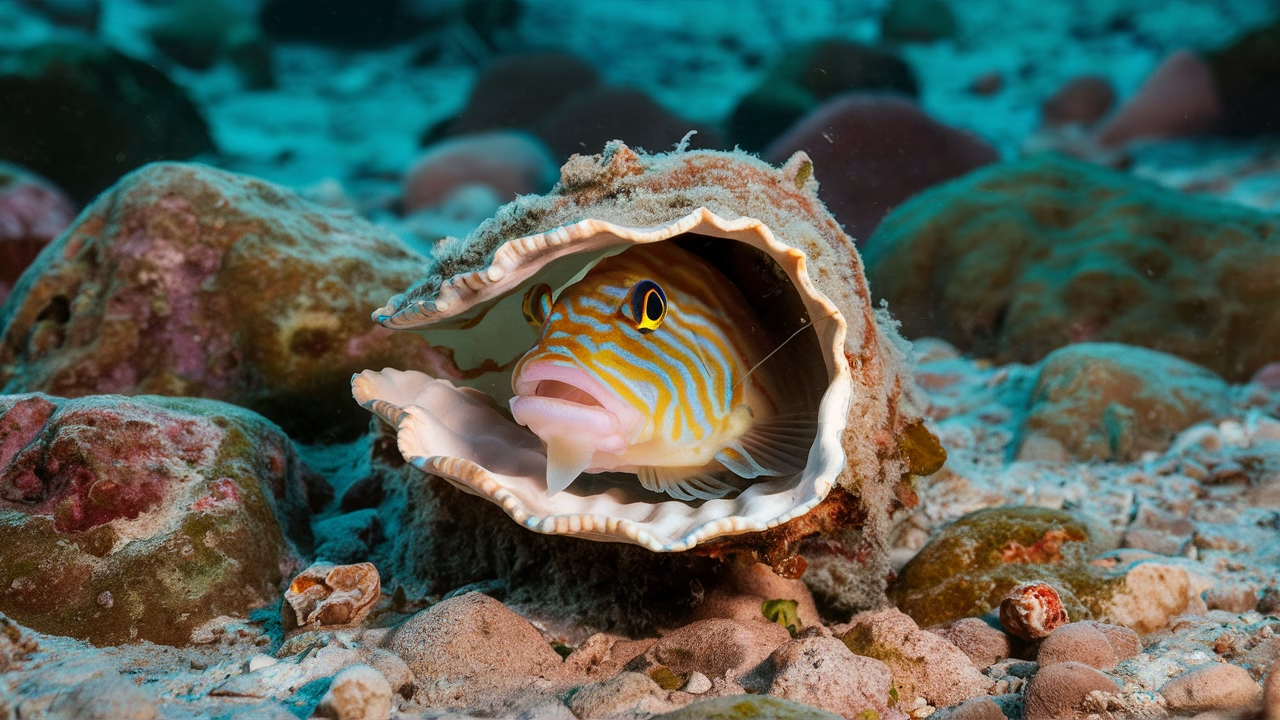
Sarcastic Fringehead fish dwell along the northeastern Pacific coast, primarily from San Francisco to Baja California. You won’t find them swimming through coral reefs or open waters; instead, they prefer rocky crevices, empty shells, and even discarded trash like soda cans as makeshift homes.
These aggressive fish are ambush predators, hiding in their shelters until unsuspecting prey — crustaceans, small fish, or octopus — wanders by. Then, with lightning speed, they dart out jaws-first. Their compact territory makes resource protection critical, hence their aggressive behavior that we observe throughout their range.
Adaptations for Coastal Living
| Adaptation | Benefit |
|---|---|
| Powerful jaws | For display and capturing prey |
| Blending coloration | Camouflages in rocky seabed |
| Fringes above eyes | Might aid sensory input |
It’s a harsh but highly tuned environment. These Sarcastic Fringehead fish aren’t just fighters — they’re survivors in a mosaic of rock, rubble, and reclamation.
Conservation Efforts for Sarcastic Fringehead Fish
Although Sarcastic Fringehead fish are not considered endangered, their niche coastal habitats make them vulnerable to human impacts, especially pollution and climate change. Urban runoff, plastics, and ocean acidification are slow-burning threats to these territorial titans and their aggressive behavior patterns.
Researchers and marine conservationists are advocating for designated marine protected zones along the Pacific coast to safeguard Sarcastic Fringehead fish populations and preserve marine biodiversity. Their quirky existence represents a tiny but valuable piece of the oceanic puzzle — one worth keeping intact.
Here’s what you can do:
- Support ocean conservation organizations
- Minimize plastic waste and avoid ocean dumping
- Learn about your local marine life and stay engaged with preservation efforts
Final Thoughts
The Sarcastic Fringehead fish — uncannily aggressive, comically endowed with outrageous jaws, and fiercely territorial — is a little-known gem in the ocean’s vast library of life. While they may never grace aquariums or appear in children’s picture books, these blustery battlers serve vital ecological roles and offer unforgettable insights into how evolutionary quirks can become survival mechanisms.
Next time you imagine the ocean’s most dramatic fish, forget the sharks and swordfish. Remember the little guy with the big mouth, aggressive behavior, and an even bigger attitude.
Frequently Asked Questions
- What is the purpose of the large mouth display of the sarcastic fringehead? It’s a territorial and dominance display, used to scare off rivals and determine who controls a shelter.
- Do sarcastic fringehead fish harm each other during fights? Rarely. Their mouth-to-mouth combat is more display than damage-focused, preventing injury while sorting hierarchy.
- Are sarcastic fringehead fish dangerous to humans? Not at all. They’re small and shy around divers unless provoked in their territory.
- Where can I see sarcastic fringeheads in the wild? Along rocky Pacific coastlines of California and Baja, typically 3–40 meters deep.
- How do fringeheads find their shelters? They occupy vacated shells, burrows, or debris, aggressively defending them once claimed.
- Is it true they live in trash like bottles or cans? Yes, sadly. Their scavenging nature adapts to human waste, making marine pollution a threat and an odd necessity.
- What efforts are being taken to protect sarcastic fringehead habitats? Advocacy for marine reserves and pollution education is key. Research also plays a vital role in monitoring populations.