What Are the Most Dangerous Dog Foods Every Owner Should Avoid?
Some of the common foods we humans love – like chocolate, grapes, or garlic – can be lethal for our dogs. While your pup might beg for a bite, giving in can result in digestive distress, seizures, or worse. Understanding which toxic foods for dogs are truly dangerous can mean the difference between a healthy pet and an emergency vet visit.
TL;DR: Quick Guide to Dangerous Dog Foods
- Chocolate: Contains theobromine, which dogs metabolize poorly, leading to potential heart issues or seizures.
- Grapes and Raisins: Can trigger sudden kidney failure in some dogs, even in small amounts.
- Onions and Garlic: Damage red blood cells, causing anemia; toxic even in powdered form.
- Xylitol: A sugar substitute found in gum and some peanut butters; causes rapid insulin release and liver failure.
- Other risks: Avocado pits, macadamia nuts, bones, raw meat, alcohol, and caffeine are also on the danger list.
- Prevention: Learn to identify harmful human foods for dogs and replace them with safe treats for dogs.
Video: Learn more about toxic foods in this clip:
The Dangers of Chocolate for Dogs
Why Is Chocolate So Dangerous?
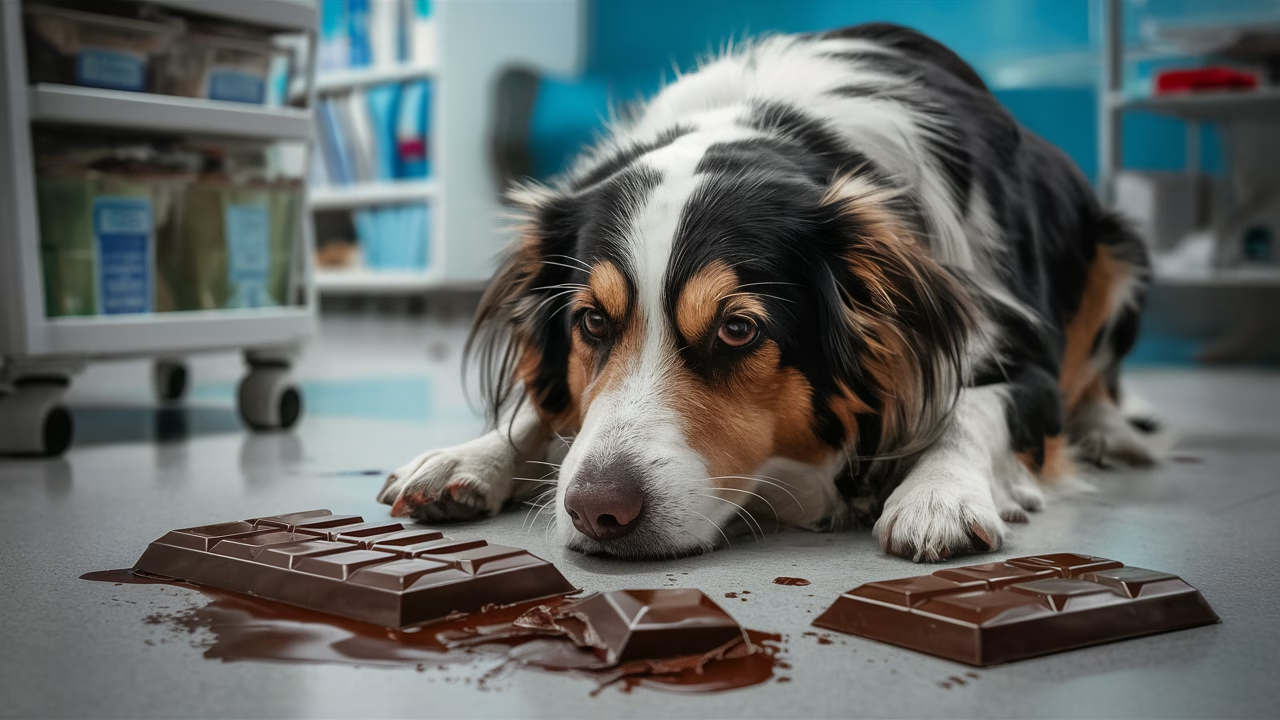
Chocolate contains two caffeine-like substances: theobromine and caffeine. While we metabolize these quickly, dogs can’t. Theobromine builds up in their system, attacking the central nervous system and the heart. Symptoms of chocolate poisoning may start with vomiting and hyperactivity, but can escalate to tremors, seizures, and even death. Dark and baking chocolates have the highest theobromine levels, making them the most dangerous dog foods in your kitchen.
Common Symptoms of Food Poisoning in Dogs from Chocolate
- Vomiting and diarrhea
- Increased heart rate
- Restlessness and pacing
- Tremors or muscle twitching
- Seizures and collapse
Easy Ways to Prevent Accidental Poisoning in Dogs from Chocolate
If you have children, teach them early that sharing candy with the family dog is a big no-no. Keep treats on high shelves and dispose of wrappers securely. Don’t forget to warn guests during holidays. Instead, offer safe treats for dogs, like carrot sticks, apple slices (no seeds), or vet-approved dog biscuits.
Grapes and Raisins: A Silent Killer
Why Are Grapes Poisonous to Dogs?
What makes grapes and raisins toxic remains a veterinary mystery, but their effects are undeniable. Even a small serving can induce acute kidney failure in certain dogs. The unpredictable outcome – toxicity in some dogs, none in others – makes grapes one of the most unpredictable harmful human foods for dogs. Think of grapes as doggy Russian roulette.
Symptoms of Grape Toxicity
- Vomiting within hours
- Lethargy and loss of appetite
- Abdominal pain
- Reduced or no urination
What To Do and Safe Alternatives
If you suspect your dog ate grapes or raisins, contact your vet immediately. Activated charcoal and IV fluids may be needed. Never leave trail mix, fruit salad, or snack bars accessible. Want a fruity snack to share instead? Try blueberries or sliced bananas in moderation as safe treats for dogs.
Onions and Garlic: Vampires for Dogs
Don’t Let the Aroma Fool You
Onions and garlic may smell heavenly when cooking, but for dogs, they’re dangerously toxic. They contain compounds called thiosulfates that destroy red blood cells. This can develop into hemolytic anemia. Both raw and cooked forms – even powdered garlic in a leftover pizza crust – can harm your pet. These common kitchen ingredients rank among the top foods to avoid feeding your dog for optimal health and safety.
Signs of Onion/Garlic Toxicity
- Weakness and fatigue
- Rapid breathing
- Discolored urine (reddish or brown)
- Collapse in severe cases
Best Practices for Pet-Safe Meal Preparation During Holidays
Many holiday dishes contain onion or garlic as seasoning — stuffing, meat marinades, gravy. Discourage feeding table scraps to dogs, no matter how convincing those puppy eyes are. As an alternative, homemade dog treats using pumpkin or sweet potato are safe and satisfying.
The Hidden Dangers of Xylitol
What is Xylitol and Why Is It Dangerous?
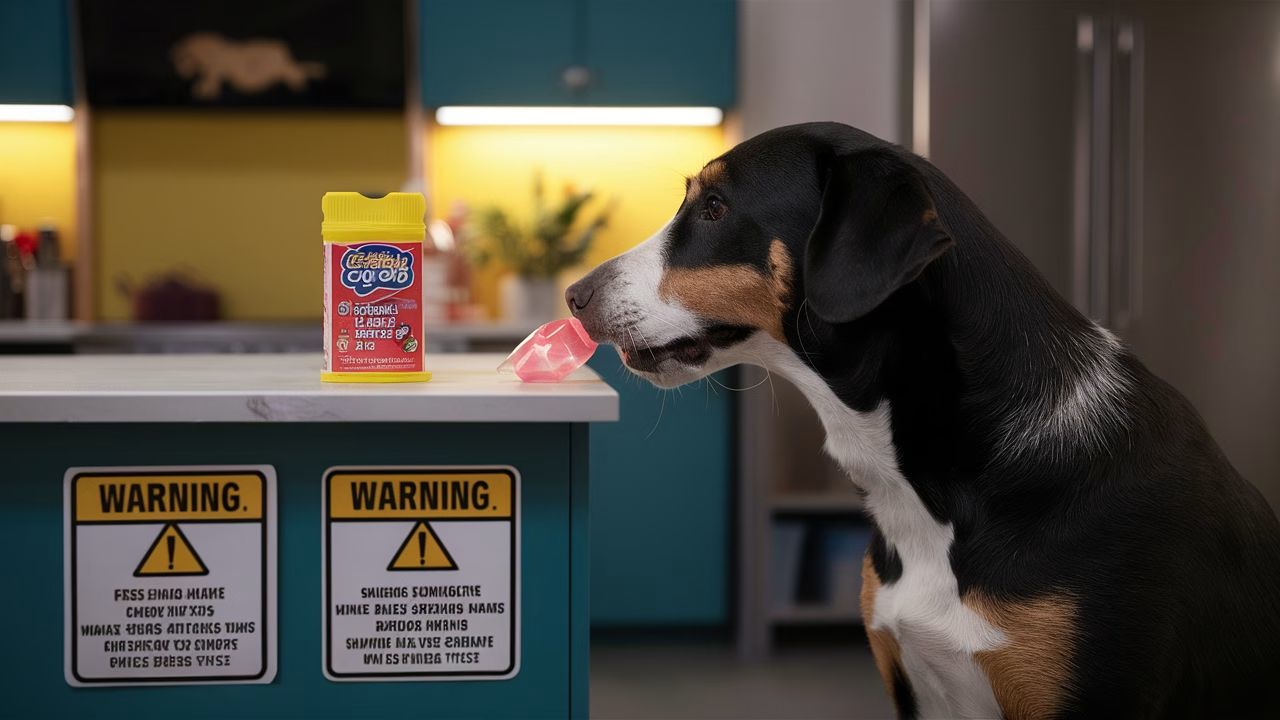
Xylitol is a common sugar substitute found in sugar-free gum, mints, baked goods, and even some peanut butters. In dogs, it causes a sudden release of insulin, which can lead to rapid hypoglycemia and liver failure within hours of ingestion. Just one piece of gum can send a small dog into a medical crisis, making xylitol one of the most dangerous dog foods hiding in plain sight.
Symptoms of Xylitol Poisoning
- Low energy or weakness
- Vomiting
- Seizures
- Loss of coordination
- Potential liver damage
Prevention Tips and Safe Substitutes
Check labels carefully. If “xylitol” is mentioned, don’t share it. Safe alternative treats for dogs with dietary restrictions include xylitol-free peanut butter alternatives. And never assume that just because it’s safe for you, it’s safe for your dog too.
Keeping Your Dog Safe from Harmful Foods
Easy Ways to Prevent Accidental Poisoning in Dogs
- Store all human snacks out of reach
- Train your dog with “leave it” commands for dropped food
- Separate dog mealtime from your kitchen activities
- Educate children and visitors about dog food safety
Safe Alternative Treats for Dogs With Dietary Restrictions
Just because your dog can’t enjoy table scraps doesn’t mean treats are off the menu. Here are a few safe sweet and savory options that work as healthy alternatives to toxic foods for dogs:
| Unsafe Food | Safe Alternative |
|---|---|
| Chocolate | Carob dog treats |
| Grapes | Blueberries or strawberries |
| Onions/Garlic | Plain boiled chicken or rice |
| Xylitol gum | Frozen yogurt dog treats (xylitol-free) |
Top Foods to Avoid Feeding Your Dog For Optimal Health and Safety
- Chocolate (dark and baking especially)
- Grapes and raisins
- Onions, garlic, chives
- Xylitol (in gum and peanut butter)
- Macadamia nuts
- Alcohol and caffeine
- Cooked or raw bones
- Fat trimmings and salty snacks
Frequently Asked Questions
Can a small amount of chocolate kill a dog?
It depends on the size of the dog and the type/amount of chocolate. Dark chocolate is far more toxic than milk chocolate. Even a small quantity can be dangerous to smaller dogs.
How can I tell if my dog ate something poisonous?
Look for symptoms like vomiting, diarrhea, weakness, tremors, or unusual behavior. Sudden lethargy, drooling, or seizures are red flags indicating potential food poisoning in dogs.
What should I do if my dog eats a harmful food?
Call your veterinarian or an emergency pet poison hotline immediately. Don’t induce vomiting unless instructed. Time is critical in toxic exposure.
Are bones safe for dogs?
Raw bones may carry bacteria, while cooked bones can splinter and cause internal damage or choking. It’s best to avoid bones altogether unless directed otherwise by your vet.
Can dogs eat peanut butter?
Yes, only if it’s xylitol-free. Always check the ingredient list before giving peanut butter to your dog.
Is raw meat safe for dogs?
Raw meat can carry harmful bacteria like E. coli or salmonella. Dogs aren’t immune to foodborne illnesses. It’s safest to feed vet-approved, balanced raw diets or cooked food.
Can I give my dog avocado?
Avocado contains persin, which can be toxic in large amounts. The pit is also a choking hazard. It’s best avoided unless specifically approved by your vet.