What Do Leafcutter Bees Use Leaves For?
Leafcutter bees use precisely cut pieces of leaves and petals to construct secure, compartmentalized nests where they raise their young. These remarkable solitary bees are master builders, and their clever use of foliage creates protective chambers that shelter larvae and ensure survival without the support of a traditional bee colony.
TL;DR: Why Do Leafcutter Bees Cut Leaves?
- They’re builders, not biters: Leafcutter bees snip circular or oval pieces from leaves to line their underground or wood-tunnel bee nests.
- Every cut has a purpose: Leaf fragments are shaped into cigar-like capsules that hold a single egg and a pollen food supply.
- Not harmful to plants: Despite how it may look, leafcutting does minimal damage to most garden plants.
- A vital part of nature: These bees are powerful pollinators that help maintain ecosystems and crop yields through their pollination activities.
The Fascinating World of Leafcutter Bees
Ever seen neat, round holes in your rose leaves and wondered who the culprit was? You’re not dealing with a pest—you’re witnessing the remarkable bee behavior of a leafcutter bee, one of nature’s most efficient solitary architects.
Belonging to the Megachilidae family, leafcutter bees (genus Megachile) are solitary bees known for their incredible engineering skills and unique bee behavior. Unlike honeybees, they don’t live in colonies. Each female constructs her own bee nests in hollowed-out wood, soil, or even abandoned beetle burrows. But what sets them apart is their material of choice—leaves. These remarkable bees literally cut their homes from nature’s green fabric.
Let’s explore their fascinating bee behavior, their preferred bee habitats, and the surprisingly gentle way they interact with your garden—and our planet.
How Leafcutter Bees Use Leaves to Build Their Nests
Imagine a mason laying bricks… now replace the bricks with precise green ovals. That’s exactly what leafcutter bees do. After a female chooses her nesting site—often a narrow tunnel in wood, soil, or pre-drilled holes—she begins gathering building materials for her bee nests.
Understanding the Leafcutting Process
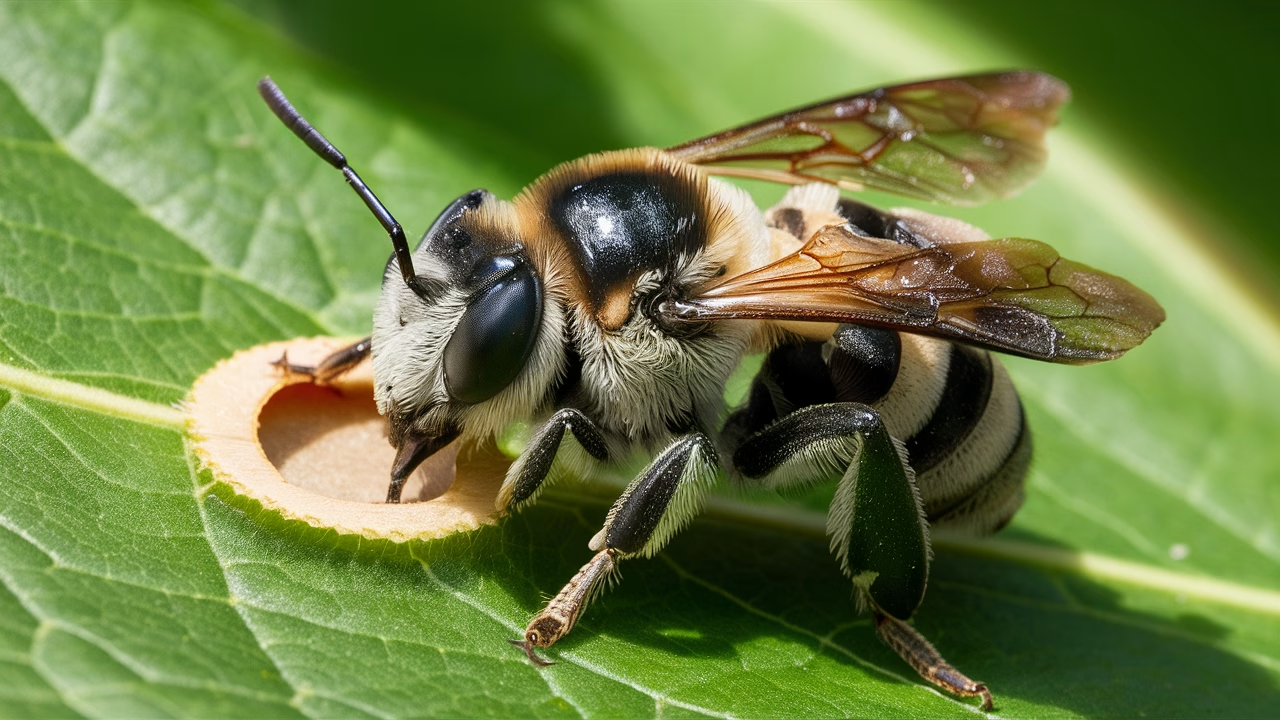
The leafcutting process showcases remarkable bee behavior. A female bee locates a suitable plant, favoring soft, flexible leaves like roses, lilac, or redbud. She secures herself to the edge and, using her powerful mandibles, carves out a near-perfect circle or oval in less than 20 seconds.
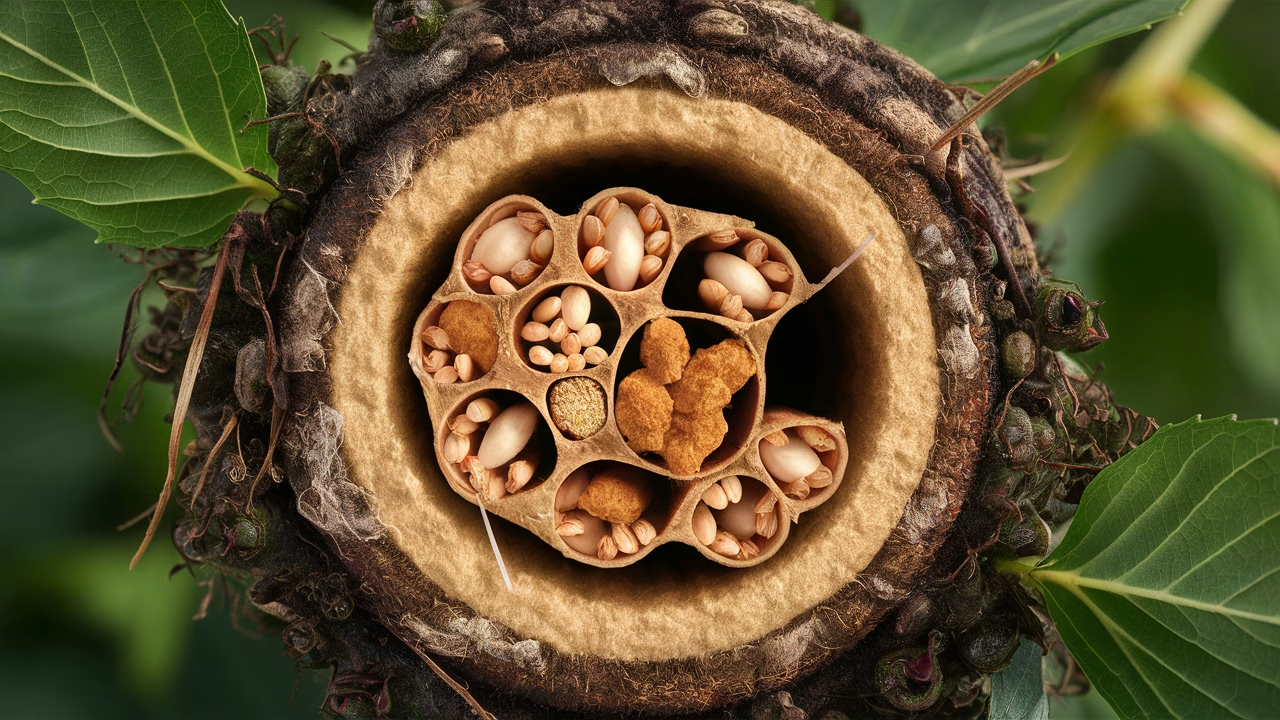
She tucks the leaf piece underneath her body and flies back to her nest. There, she carefully folds and layers the pieces like a natural origami artist, constructing cells shaped like tiny green cigars. Each compartment in these specialized bee nests houses:
- An egg
- A loaf of pollen mixed with nectar—food for the emerging larva
Once sealed with a final leaf “door,” she starts the next cell. A single tunnel may hold six to ten of these cells lined end-to-end, creating secure bee habitats for her offspring.
No Damage, Just Edges
Concerned about your garden? Don’t be. The leafcutting bee behavior causes purely cosmetic damage that’s short-lived. In fact, their leafcutting doesn’t typically harm the overall health of plants, making them garden-friendly pollinators.
Different Species of Leafcutting Bees
There are over 1,500 known species of leafcutter bees worldwide, each showcasing unique bee behavior variations in their coloration, preferred bee habitats, and favored plants. Here are some key species to look out for:
| Species | Region | Key Traits |
|---|---|---|
| Megachile rotundata | North America, Europe | Used in alfalfa pollination; active in summer |
| Megachile centuncularis | UK / Eurasia | Favors rose leaves; nests in wood tunnels |
| Megachile campanulae | Eastern North America | Loves bellflowers and city gardens |
Each of these bee species contributes uniquely to their ecosystems through specialized pollination services, and their diverse bee behavior reflects the intricacies of local biodiversity and bee habitats.
Importance of Leafcutting Bees in Pollination
If you thought only honeybees carried the pollination responsibility—think again. Leafcutter bees are unsung heroes in gardens, farms, and meadows alike. Their unique pollination technique differs significantly: instead of using leg “baskets” like honeybees, they carry pollen on specialized hairs (scopa) on their undersides.
What makes their pollination so effective? They’re vigorous, furry, and thorough. As they land and crawl over flowers, they gather and spread abundant pollen through their distinctive bee behavior. In particular, Megachile rotundata plays a critical role in alfalfa pollination, contributing significantly to agriculture and livestock feed production.
Leafcutter Bees and Their Environmental Impact
Beyond food crops, leafcutter bees help maintain plant biodiversity through their pollination services. More diverse bee species means greater variety in pollination timing, techniques, and plant preferences. This reduces over-reliance on single pollinators and improves ecological resilience.
By engaging with various native and ornamental plants, their pollination enhances genetic diversity through cross-pollination, supporting everything from wildflowers to shrubs in your local ecosystem and creating thriving bee habitats.
Tips for Encouraging Leafcutter Bees in Your Garden
Want to make your garden a five-star destination for these industrious pollinators? Here’s how you can create ideal bee habitats and encourage their beneficial bee behavior:
- Provide nesting sites: Install bee hotels with holes 4–10 mm in diameter and at least 10 cm deep. Untreated wood creates perfect bee habitats.
- Plant soft-leaved flora: Rose, redbud, lilac, and hostas are favorites for both nesting materials and pollination sources.
- Avoid pesticides: Go organic. Even “safe” formulas may harm or deter solitary bees during critical nest-building phases.
- Leave bare soil patches: Some species prefer ground bee nests. A sunny, undisturbed patch can become prime real estate for bee habitats.
It’s immensely rewarding to witness the leafcutting bee behavior in action—once you know what to look for, you’ll never see those curved leaf holes the same way again.
Final Thoughts
Leafcutter bees may be small, but their bee behavior is remarkable in both complexity and ecological impact. From their precise leafcutting techniques to their gentle partnership with plants, these solitary architects play a meaningful role in pollination and biodiversity. Far from being destructive, they’re sculptors of life—fashioning security for their young through ingenious bee nests and ensuring flowers continue to bloom next season.
If you’re a gardener, student, or simply a curious nature lover, observing these bees and their fascinating bee behavior can become a symbol of how beautifully complex—and beautifully collaborative—nature truly is.
Frequently Asked Questions
- What do leafcutter bees use leaves for?
They cut leaf pieces to construct protective nest cells for their offspring, creating secure bee habitats. - Do leafcutter bees harm garden plants?
No. Their leaf cuts are minimal and don’t affect plant health—it’s simply part of their natural bee behavior. - Where do leafcutter bees build nests?
They prefer tunnels in wood, soil, plant stems, or artificial bee hotels for their bee habitats. - How can I tell a leafcutting bee apart from other bees?
They’re often darker and carry pollen under their bellies, not on their legs—distinctive bee behavior. - Are they aggressive?
No. Leafcutter bees are peaceful and rarely sting unless handled—typical solitary bee behavior. - Do they pollinate crops?
Yes—their pollination services are especially valuable for alfalfa, clover, and other legumes. - Can I attract them without a big garden?
Absolutely. A small planter with soft-leaved plants and a bee hotel creates suitable bee habitats.