
Why Do Rabbits Pee on Us?
Rabbits pee on us for several reasons, including territory marking, emotional responses, litter training missteps, hormonal changes, and sometimes health issues. It’s rarely malicious — often it’s just a bunny being a bunny in a very bunny way. Understanding why rabbits pee on humans is key to preventing it.
- Territory Marking: Rabbits see you as part of their space and may try to claim you using scent, including urine.
- Emotional Reactions: Excitement, fear, or intense affection can trigger involuntary peeing.
- Litter Training Gaps: Some rabbits need more guidance or time to learn acceptable potty habits in your home.
- Hormonal Behavior: Unneutered rabbits — both males and females — are far more likely to spray and mark.
- Health Issues: Sudden urination issues can signal infections or other medical problems needing veterinary care.
Understanding rabbit behavior means building trust and minimizing unwanted surprises. Let’s dive into each reason so you and your rabbit can live happily — and dryly — together.
Why Lobsters Pee Out of Their Faces: The Surprising Science Behind Marine Communication
Territory Marking: Rabbits and Their Kingdoms
Why Your Rabbit Sees You as Property
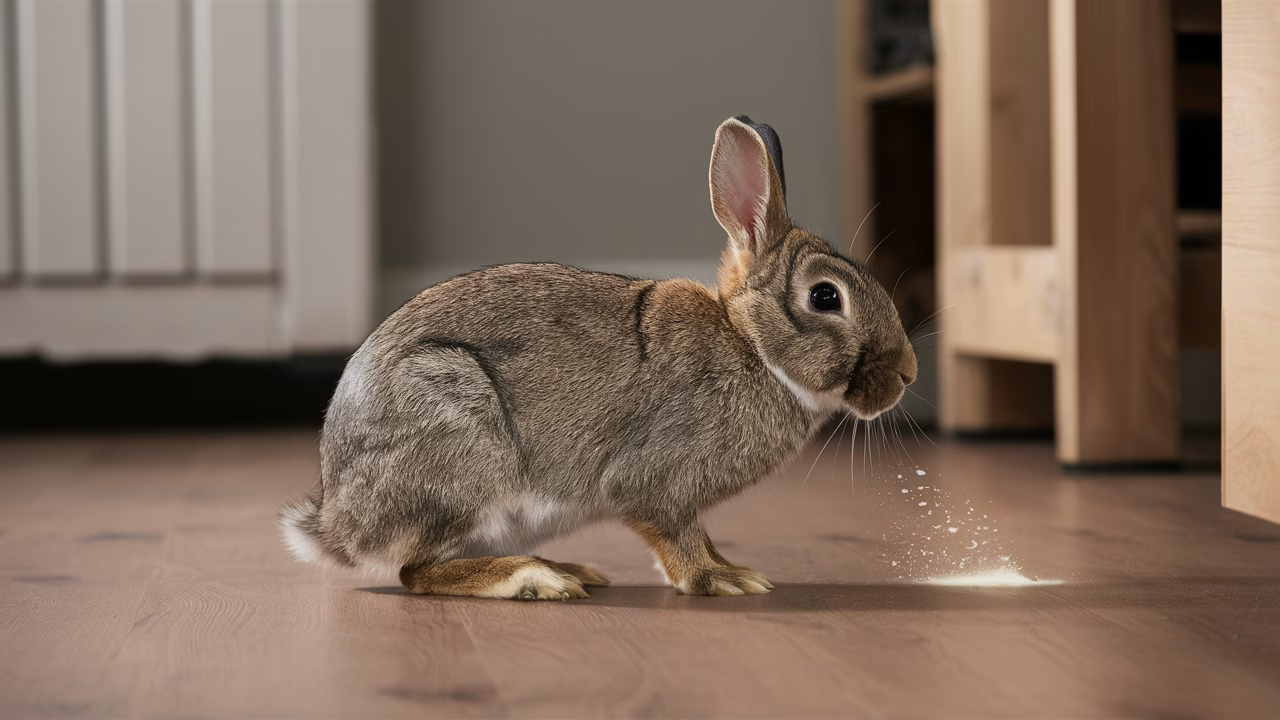
Ever felt like your rabbit is trying to claim you? You aren’t imagining things. In the wild, rabbits establish their territory with scent — including urine. This instinct doesn’t go away when they hop into your living room. If a rabbit considers you part of their social group or personal space, a little spray might be their way of saying, “You belong to me!”
This territory marking behavior is more common in unneutered or unspayed rabbits but can happen in fixed ones as well. Rabbits will also urinate or spray around favorite places like beds, couches, or yes — your lap. It’s their passive-aggressive version of planting a flag.
Hormones and Behavior: When Biology Takes the Wheel
If your rabbit hasn’t been spayed or neutered, their hormones are working overtime. Testosterone and estrogen surge during sexual maturity, typically around 4–6 months of age. These hormonal fluctuations often lead to obsessive marking behavior — including rabbits peeing on humans.
Why Spaying or Neutering Matters
Fixing your rabbit is one of the most effective ways to stop rabbits from peeing on humans. Beyond curbing territory marking, it helps in reducing aggression, increasing litter box usage, and supporting long-term health. Talk to a veterinarian who specializes in exotic pets to plan this safely and appropriately.
Litter Training: Setting the Stage for Success
Many rabbits pee on their humans not out of dominance, but because they simply don’t know any better — especially if they’re young or new to your home. Much like housebreaking a puppy, successful rabbit litter training requires time, patience, and consistency.
Tips for Successful Rabbit Litter Training
- Place a litter box in every room your rabbit frequents.
- Use a natural, safe litter such as paper-based pellets or timothy hay — never clumping clay.
- Keep the litter area clean but leave a drop or two of used litter to reinforce scent association.
- Always reward your rabbit with a treat or gentle petting after successful use.
- If accidents happen, clean them with a mix of vinegar and water to eliminate marked scents.
Emotions, Instincts, and Unplanned Potty Moments
How Feelings Spill Over (Literally)
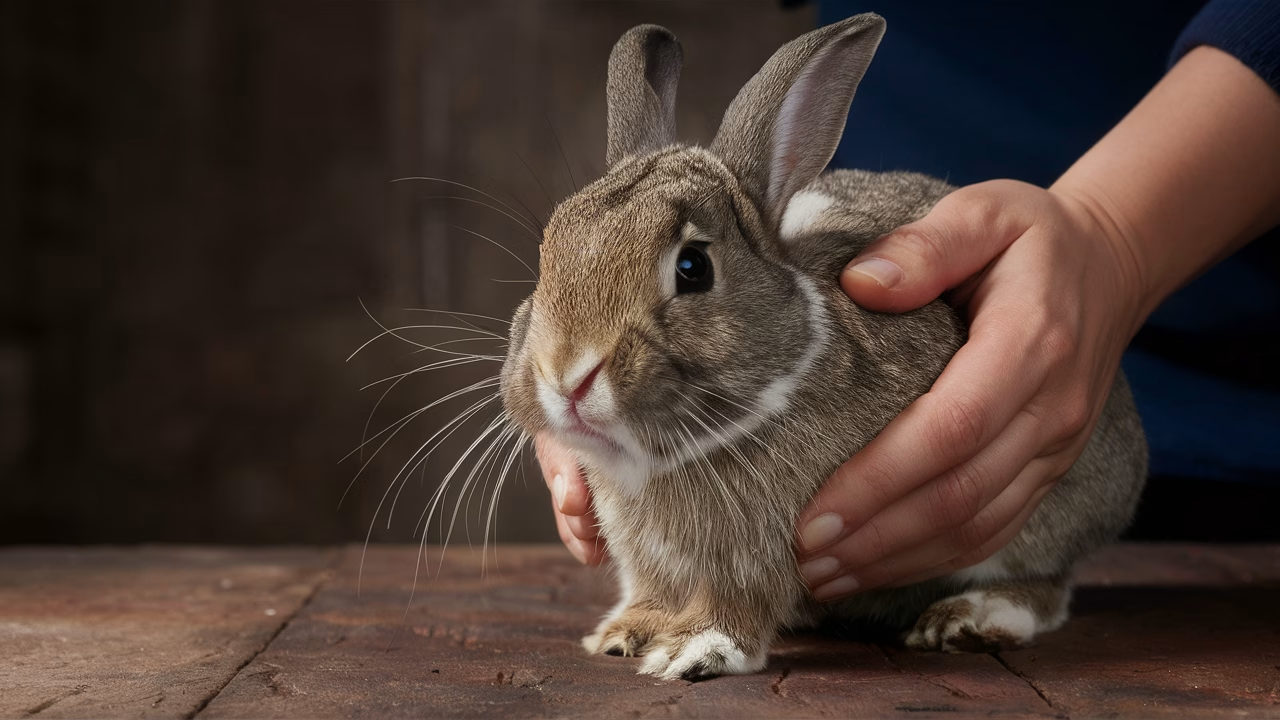
Sometimes, peeing is a sign of emotional overload. Rabbits are prey animals, and even something as simple as being picked up can cause them stress. That tension may manifest through involuntary urination. Fear, anxiety, or even high excitement are all common triggers for why rabbits pee on us.
Watch for other stress signals like:
- Thumping back feet
- Excessive hiding
- Heavy breathing
- Lack of appetite
If these symptoms accompany the peeing, minimize stressful stimuli and create a routine that fosters calm and predictability for your rabbit.
Veterinary Considerations: When Pee Points to a Problem
If your rabbit peeing habits abruptly change, it might be time for a medical check-up. Conditions like urinary tract infections, bladder sludge, kidney disease, or arthritis can lead to inappropriate urination, including on you.
Signs of Possible Health Issues
- Cloudy, smelly, or bloody urine
- Straining or squealing while peeing
- Wet fur around hind legs
- Lethargy or disinterest in food
If these occur, consult an exotic animal vet immediately. Early interventions can prevent long-term illness and keep your bunny healthy — and less leaky.
How to Stop Rabbits from Peeing on Humans
Stopping this issue starts with identifying the root cause: territorial, hormonal, emotional, litter box gaps, or health-related. Here’s a quick comparison to help you stop rabbits from peeing on humans:
| Cause | Typical Signs | Solutions |
|---|---|---|
| Territory Marking | Spraying on legs or chest, strong urine scent | Neuter/spay, consistent boundaries |
| Litter Training Fail | Accidents on furniture or laps | Retrain with accessible, clean litter boxes |
| Emotional Response | Peeing when picked up or startled | Gentle handling, reduce stressors |
| Hormonal | Persistent spray-marking | Veterinary spaying/neutering |
| Medical | Change in bathroom habits, lethargy | Veterinary diagnosis and treatment |
Final Thoughts: Your Bunny Isn’t Being Bad
A rabbit’s world is rich with scent, emotion, and instinct. When rabbits pee on us, they’re communicating — even if it’s not in the way we’d hoped. By understanding their needs, recognizing their signals, and supporting them with proper training and veterinary care, you’ll be well on your way to a happier, drier relationship.
Remember: Every action your rabbit takes is fueled by natural behavior. Your job is to interpret, guide, and love them through it.
Frequently Asked Questions
- Q: Does peeing mean my rabbit is angry at me?
A: Not necessarily. It’s more about territory, stress, or hormones than spite. - Q: Will my rabbit stop peeing on me after being neutered?
A: In most cases, yes. Spaying or neutering dramatically decreases marking behavior. - Q: Can a perfectly trained rabbit have accidents?
A: Absolutely. Stress, fear, or health changes can cause one-off issues even in trained rabbits. - Q: Is rabbit urine dangerous?
A: Not typically, but it can cause skin irritation and should be cleaned promptly to avoid stains. - Q: How long does litter training take?
A: It varies by rabbit, but most learn within a few weeks with proper guidance and routine. - Q: What’s the best type of litter for rabbits?
A: Paper-based or hay-based litter is safe, absorbent, and non-toxic if ingested. - Q: Should I punish my rabbit for peeing on me?
A: Never. Punishment increases fear. Instead, focus on understanding and prevention.