Why Does My Cat Go Crazy at 3AM?
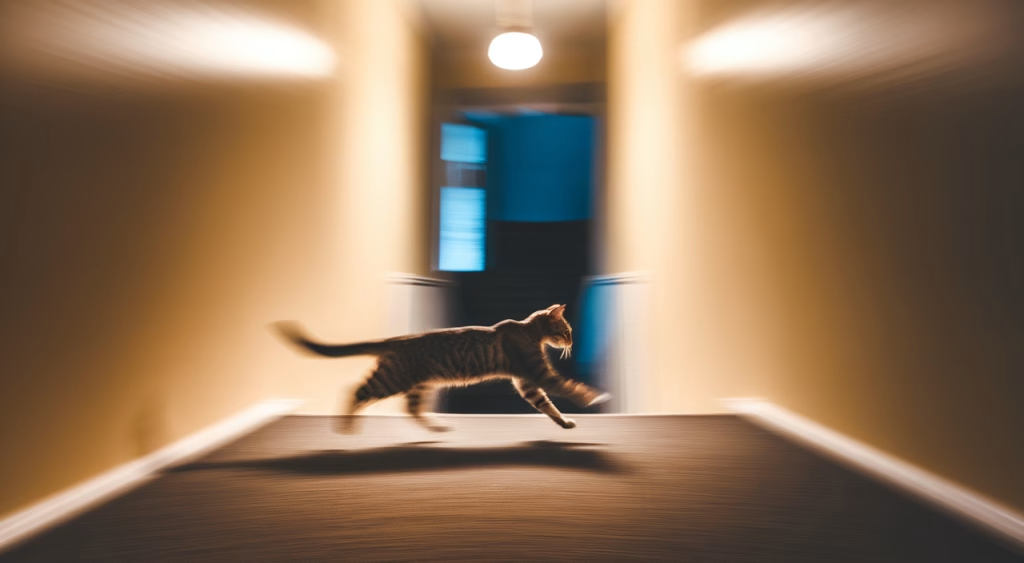
Those sudden nighttime stampedes—known as cat zoomies—aren’t random acts of cat chaos. They’re deeply rooted in feline biology, instincts, and environmental responses. Let’s explore why the witching hour turns your quiet cat into a blur of fur and flailing energy.
- Cat zoomies are also called Frenetic Random Activity Periods (FRAPs).
- Your cat’s inner hunter awakens during dawn and dusk, which includes 3AM.
- Stored energy in the nervous system triggers these bursts as a release mechanism.
- Temperature changes and cool nights boost activity for body temperature regulation.
- Post-meal energy surges can cause cat zoomies even after midnight snacks.
- Bathroom highs are real—elimination can neurologically excite your cat.
- Young cats zoom more due to high energy and developing instincts.
- Cat zoomies are a healthy, natural form of mental and physical exercise.
The Science Behind Late-Night Cat Zoomies
Feline Behavior at Night: Why Do Cats Go Crazy?
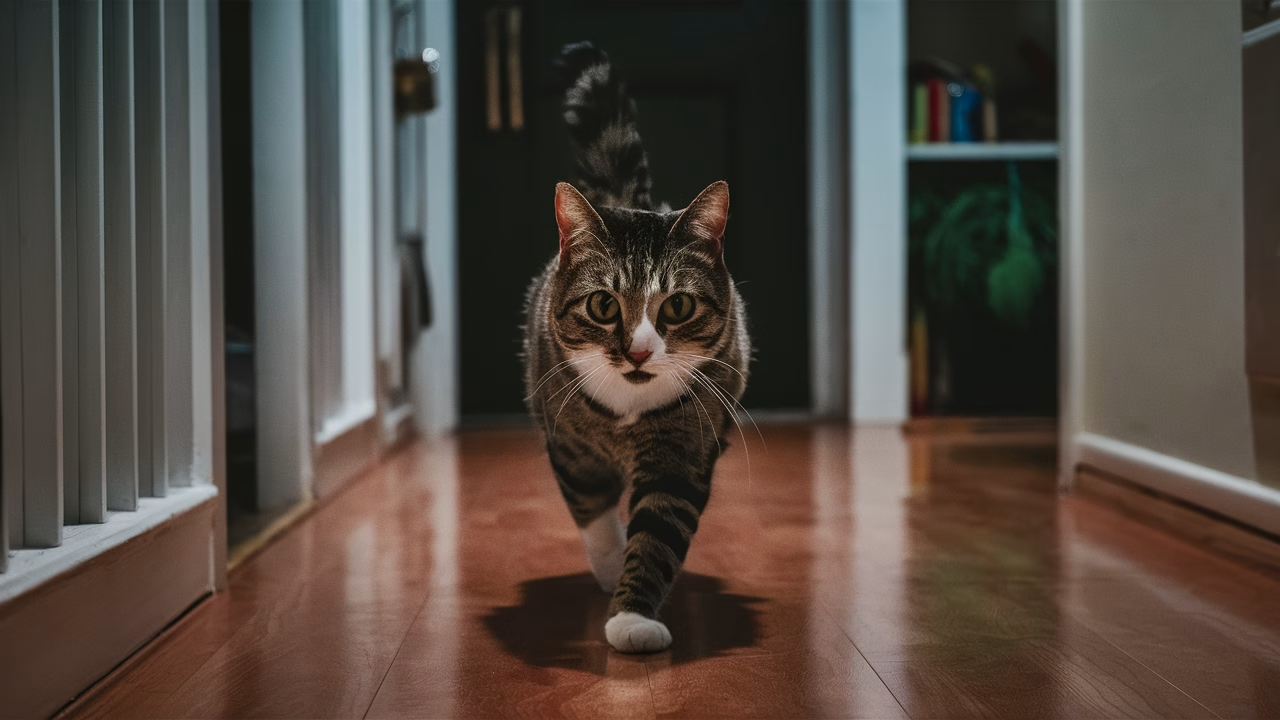
Ever wondered why your cat transforms into a furry missile at 3AM? What you’re experiencing is what’s called a frenetic random activity period (FRAP)—a fancy term for cat zoomies. These aren’t random; they’re a complex mix of instinct, excitement, and biology working together. Cats are naturally crepuscular, meaning they are most active during dawn and dusk. When you combine that natural rhythm with a quiet, dark home that mimics their wild habitat, you’ve created the perfect environment for feline energy bursts.
Unveiling the Neurological Response Behind Cat Zoomies
Cat zoomies aren’t just about fun and games—there’s real science behind this feline behavior. When energy builds up in your cat’s nervous system throughout the day, there’s only one solution: explosive release. They sprint, jump, and chase invisible prey in what appears to be pure feline mayhem. This neurological response provides essential stimulation for both developing and mature cat brains. Without these energy bursts, indoor cats might suffer emotionally or physically from lack of proper stimulation, making cat zoomies a crucial part of their wellbeing.
Environmental Triggers and Cat Anomalies
Have you noticed your cat becomes ultra-active before a storm or when new furniture arrives? Cat behaviors are incredibly sensitive to environmental changes and sensory stimuli. Shifts in barometric pressure, unfamiliar smells, or changes in texture can all trigger sudden energy bursts. For many cats, even a freshly cleaned litter box or newly vacuumed rug feels like an invitation to launch into action. These environmental responses showcase just how attuned your feline is to their surroundings, turning everyday changes into catalysts for cat zoomies.
Understanding Cat Hunting Instincts
Although your indoor cat doesn’t need to hunt for survival, their cat hunting instincts remain deeply embedded in their DNA. At 3AM, even the faintest stimulus—a subtle creak, a drifting dust bunny, or shadows moving across the wall—can ignite their predator brain and trigger intense feline behavior. What you’re witnessing is a domesticated hunter living out ancient programming. Your hallway becomes their savannah, the couch transforms into their lookout point, and that innocent sock suddenly becomes prey worth chasing.
| Indoor Cat Behavior | Wild Counterpart |
|---|---|
| Sprinting down hallways | Chasing prey through underbrush |
| Leaping off furniture | Ambushing from tree branches |
| Pouncing on toys | Stalking small mammals |
The Role of Temperature in Cat Activities
Temperature plays a fascinating role in triggering cat zoomies and nighttime feline behavior. Cats maintain an ideal body temperature between 86 to 97°F, which is significantly warmer than human comfort levels. When nighttime temperatures drop, your cat’s body naturally responds by increasing activity to generate warmth. Those sudden energy bursts aren’t just random—they’re an instinctive temperature regulation system. So when your household cools down after midnight, those cat zoomies serve as nature’s adorable heating mechanism.
Post-Meal Behaviors: Why Does Your Cat Sprint After Eating?
Ever watched your cat devour dinner then rocket through the house like they’re fleeing a crime scene? This fascinating feline behavior stems from deep-rooted survival instincts called postprandial activity. In the wild, cats needed to eat quickly and then relocate to avoid attracting predators to their feeding site. Modern house cats don’t face these dangers, but the evolutionary drive remains strong. That satisfied belly triggers an automatic urge to “eat and escape,” resulting in spectacular post-meal cat zoomies that can leave you wondering what just happened.
Age-Related Zoomies: From Kittens to Senior Cats
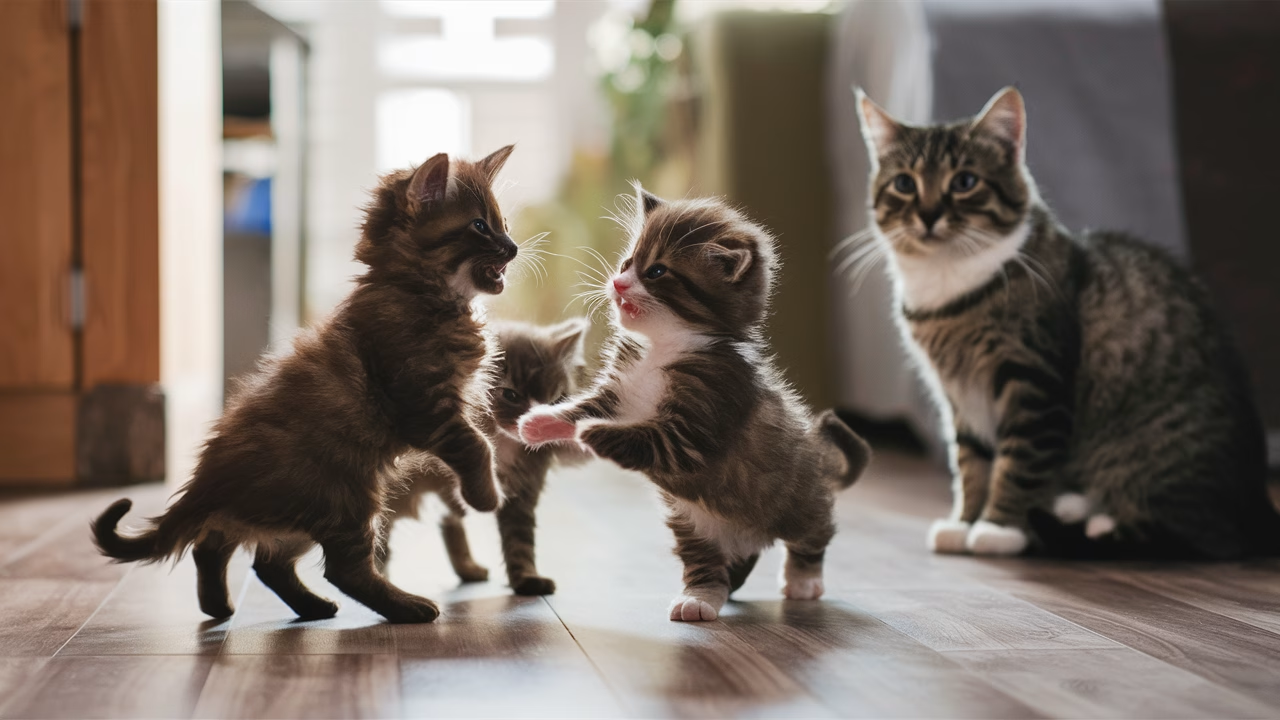
Age dramatically influences how cats experience and express their energy bursts. Kittens are essentially biological bundles of energy, new to the world with developing cat hunting instincts and endless curiosity. Their cat zoomies are intense training sessions—practicing survival skills, building coordination, and exploring their environment. Adult cats still experience regular feline behavior episodes, but with more focused purpose, often triggered by specific stimuli or after rest periods. Senior cats continue to have energy bursts, though they’re more measured and dignified—think graceful jog rather than frantic sprint. Their cat zoomies become refined encore performances rather than chaotic opening acts.
Comparing Zoomie Triggers by Cat Age
| Age Group | Common Cat Zoomie Triggers |
|---|---|
| Kittens (0–12 months) | New environment, toys, siblings |
| Young adults (1–6 years) | Environmental stimuli, feeding, boredom |
| Adults (7–10 years) | Environmental changes, visitors |
| Seniors (11+ years) | Short energy bursts after rest or meals |
FAQ: Truths About Late-Night Cat Zoomies
- Q: Are midnight cat zoomies a sign of illness?
A: Not usually. They’re typically signs of a happy, energetic cat expressing natural feline behavior. However, if zoomies are accompanied by distress or aggression, consult your vet. - Q: How can I manage my cat’s 3AM energy bursts?
A: Try more evening play with interactive toys or puzzle feeders to expend energy earlier and satisfy their cat hunting instincts. - Q: Should I wake my cat during the day to reduce night cat zoomies?
A: Not directly. Instead, offer enriching stimulation during their natural active periods—dusk and dawn—to work with their biological rhythm. - Q: Is it okay to ignore cat zoomies?
A: Absolutely. If your environment is safe and there’s no destruction involved, let your cat express this natural feline behavior without interference. - Q: Do all cats experience energy bursts?
A: Most cats do, though some may exhibit milder or fewer episodes based on age, personality, health, and environmental factors. - Q: Can spaying or neutering reduce cat zoomie frequency?
A: It may reduce frequency slightly by stabilizing hormone levels, but cat zoomies are more linked to energy regulation and instincts than reproductive behavior.
Final Thoughts
Your cat’s 3AM zoomies are far from random fits of madness—they’re complex expressions of feline behavior rooted in millions of years of evolution. These energy bursts combine instinct, science, emotion, and environmental awareness into one spectacular display. While it may be loud and occasionally disruptive, you’re witnessing one of the most authentic expressions of cat hunting instincts and natural feline behavior. So next time your living room transforms into a racetrack, embrace the moment. You’re seeing evolutionary biology in action, and it means your cat trusts you enough to express their wildest instincts in the safety of their home—with you.