
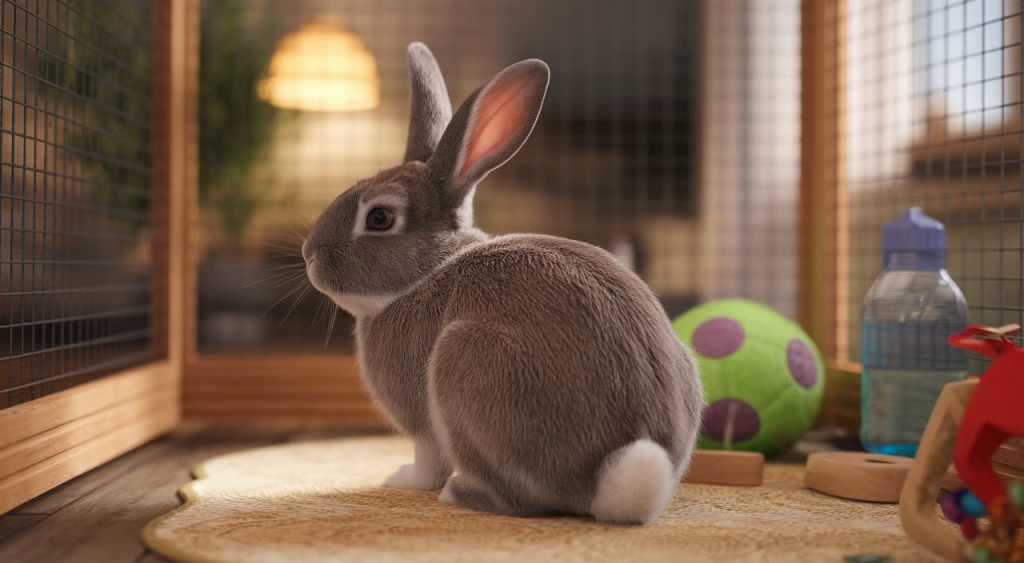
Why Is My Rabbit Mad at Me—And Are They Really Plotting Revenge?
Yes, your rabbit might actually be mad at you—and yes, they could be plotting what can only be described as “adorable revenge.” Rabbits are not just cuddly fluff balls; they’re emotionally intelligent creatures capable of feeling anger, frustration, and even holding grudges for days. Understanding rabbit emotions is crucial for any bunny parent who wants to build a strong relationship with their fluffy companions.
- Rabbits can display passive-aggressive behaviors like turning their back or thumping their feet—signs of displeasure you shouldn’t ignore.
- Bunny tantrums are real. From hunger strikes to cage rearrangements, mad rabbits will show their feelings in dramatic flair.
- Understanding rabbit body language is the first step toward decoding their emotional state.
- Apologies aren’t easy. Rabbits demand specific actions and tone to accept your regret.
- With awareness and patience, you can rebuild trust—and maybe even deepen your bond with your bunny.
The Emotional Spectrum of Rabbits: More Than Meets the Eye
Many pet owners are surprised to learn how rich the emotional lives of rabbits truly are. While dogs may beg and cats might sulk, rabbits have an entirely different emotional language—one filled with nuance, subtlety, and drama worthy of an Oscar. Rabbit emotions include curiosity, joy, anxiety, and yes—anger and vengeance. If you’ve ever felt like you’re being punished by your rabbit for something you didn’t even know you did wrong, you’re probably not imagining it.
In my experience as an animal behavior specialist, I’ve seen passive aggressive rabbits develop behavioral patterns that reflect emotional manipulation and a clear ability to hold grudges. They’re like tiny, fuzzy judges of character who expect their routines and preferences to be respected—and when they’re not, the results are adorably ruthless.
Signs of Rabbit Anger You Should Never Ignore
Let’s decode the fluffy fury and learn to read your rabbit’s emotional signals.

Common Bunny Tantrum Behaviors
| Behavior | What It Means |
|---|---|
| Thumping hind legs | A loud warning or a bunny’s version of “How dare you?” |
| Turning their back to you | Classic cold shoulder; expect silence and distance |
| Ignoring treats | A passive aggressive protest sign; they’re not giving in so easily |
| Messing up cage/living area | Strategic misbehavior; they know it irritates you |
| Loafing with ears back | Judgy silence; you’re on trial and they’re waiting for your apology |
How to Handle a Mad Rabbit at Home
If you’ve ever looked at your pet and muttered, “What did I do now?” while your rabbit sulks in a corner—welcome to the club. Understanding rabbit emotions means knowing how to respond appropriately when your fluffy companions are upset.
- Give them space. Mad rabbits need time to cool off. Don’t force interaction.
- Use calm and reassuring tones. Like emotional weather vanes, rabbits respond to mood swings.
- Offer a peace gift. A favorite treat or toy—held gently at floor level—can break the ice.
- Use body language. Sitting quietly near them demonstrates peaceful intent without pressure.
Remember, rabbits aren’t just scared when they’re thumping—their thumps can also be demands: “Pay attention to me!” or “Respect my territory!”
Understanding Rabbit Body Language for Beginners
Rabbit body language speaks volumes about their emotional state. Once you learn to read the signs, it’s like a window into their emotional soul. This knowledge helps you better connect with your fluffy companions.
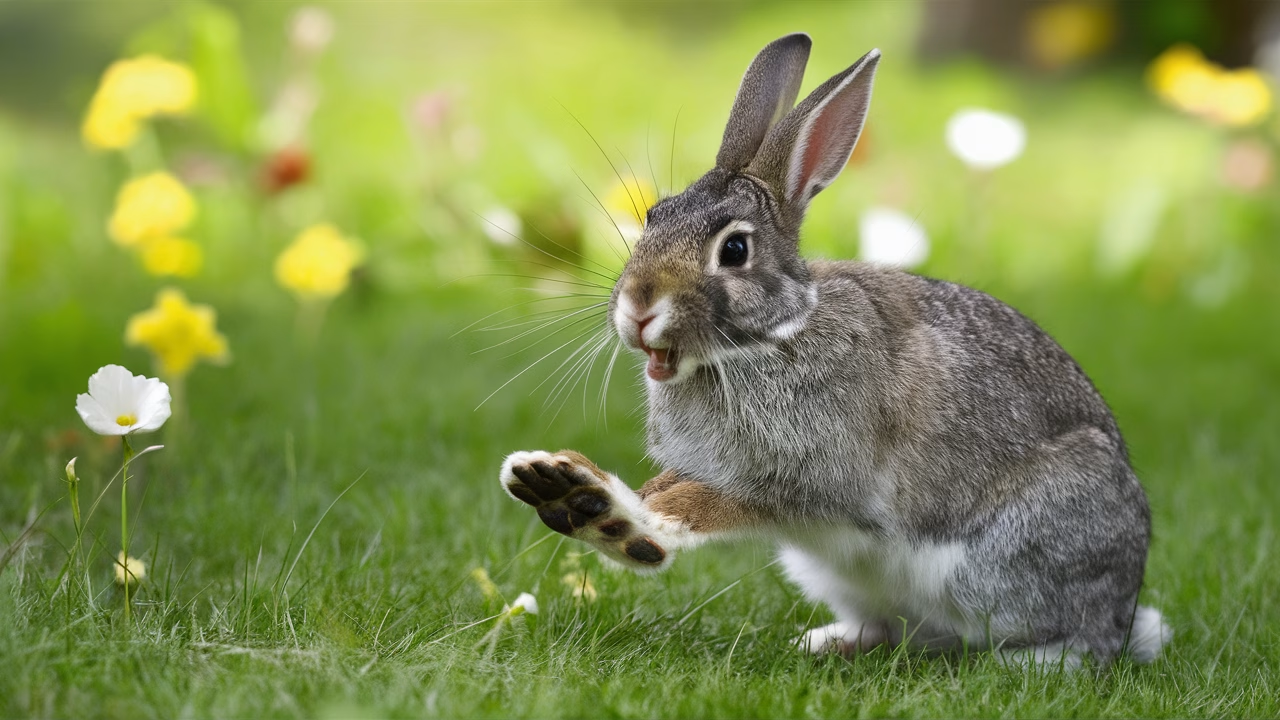
Rabbit Body Language Decoder
| Posture/Movement | Emotional Meaning |
|---|---|
| Flattened ears and crouched posture | Fear or anger |
| Relaxed body, flopped over | Contentment and trust |
| Quick dart away | Upset or wanting to avoid confrontation |
| Gentle nose boops | Curiosity or greeting |
| Loaf position with head down | Inward reflection (aka planning your punishment) |
Tips for Apologizing to Your Bunny Pet
Unlike dogs, you can’t just say “sorry” and expect them to bounce with joy. Passive aggressive rabbits require a rabbit forgiveness ritual—yes, really. This process helps restore harmony between you and your fluffy companions.
Here’s how:
- Lower yourself to their level—knees to the floor, no sudden movements.
- Gently speak in a soft, high-pitched tone. Harsh sounds escalate tension.
- Avoid touch at first. Let them come to you when they’re ready.
- Offer their favorite treat—but don’t push it. Lay it near them and retreat—to let them decide.
- Consistency is key. If you’ve broken their trust, expect to work to rebuild it over time.
Note: The rabbit forgiveness ritual isn’t just about the act—it’s about the intent. Perform the apology ritual sincerely, and your rabbit might forgive you… eventually.
Building a Strong Bond with Your Pet Rabbit
Avoid future bunny brawls by strengthening your bond now. Building trust with your fluffy companions means fewer cold shoulders later and deeper understanding of rabbit emotions. Here’s how:
- Stick to a predictable routine—rabbits love consistency.
- Let them decide when to interact. Respect their body language.
- Daily gentle petting can reinforce positive connection.
- Enrich their environment to reduce boredom (boredom often leads to tantrums).
- Celebrate small signs of affection—nose bumps, soft licks or relaxed flops near you.
Frequently Asked Questions
How long can a rabbit stay mad?
Some rabbits forgive within hours, others can hold grudges for days or even weeks, depending on their personality and the offense.
What is the rabbit forgiveness ritual?
It involves offering a peace gesture like a treat, sitting quietly near your rabbit, and showing calm, gentle behavior until they accept your presence again.
Why does my rabbit refuse their treats when mad?
It’s often part of passive aggression. They’re signaling disapproval and showing that they won’t be pacified easily.
Can rabbits manipulate their owners emotionally?
Yes, in a sense. Rabbits are smart enough to learn that certain behaviors—like sulking—cause reactions from their humans. This reinforces strategic manipulation over time.
Is my bunny’s anger about something specific?
Often, yes. Rabbits can be upset over changes in routine, unfamiliar smells, lack of attention, or perceived disrespect in their environment.
How do I prevent future bunny tantrums?
Stick to routines, respect their space, learn their signals, and always approach with patience. Prevention is about mutual understanding.
Can bonding with my rabbit reduce their anger?
Absolutely. A strong rabbit-human bond makes it easier to navigate emotional moments peacefully and quickly repair missteps.